
News & Events

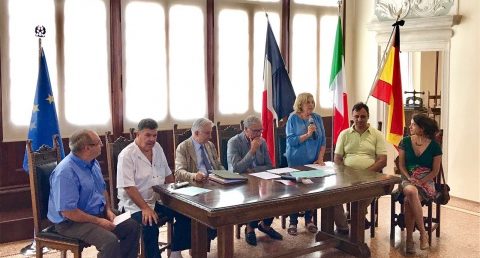
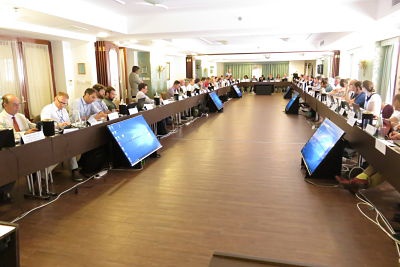
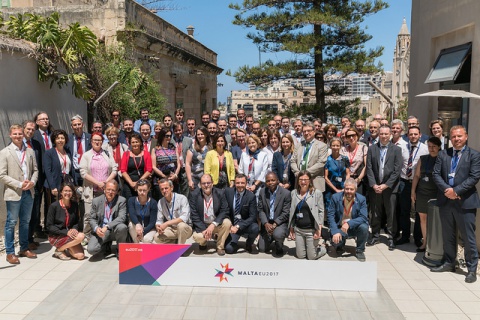
On the 29-30 May, FACE attended the biannual meeting of the EU Nature and Biodiversity Directors in Malta. The main points discussed were: the need to do much more to achieve the targets of the EU Biodiversity Strategy by 2020; the relevance of the Action Plan for Nature, People and the Economy; the need to implement the Natura 2000 network to its full potential; the public awareness and understanding that needs to be improved to achieve the objectives; and the importance of adequate funding for the...

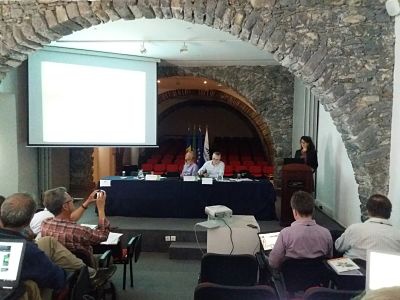
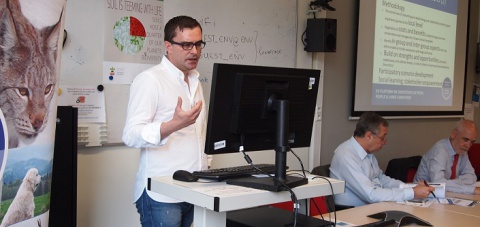
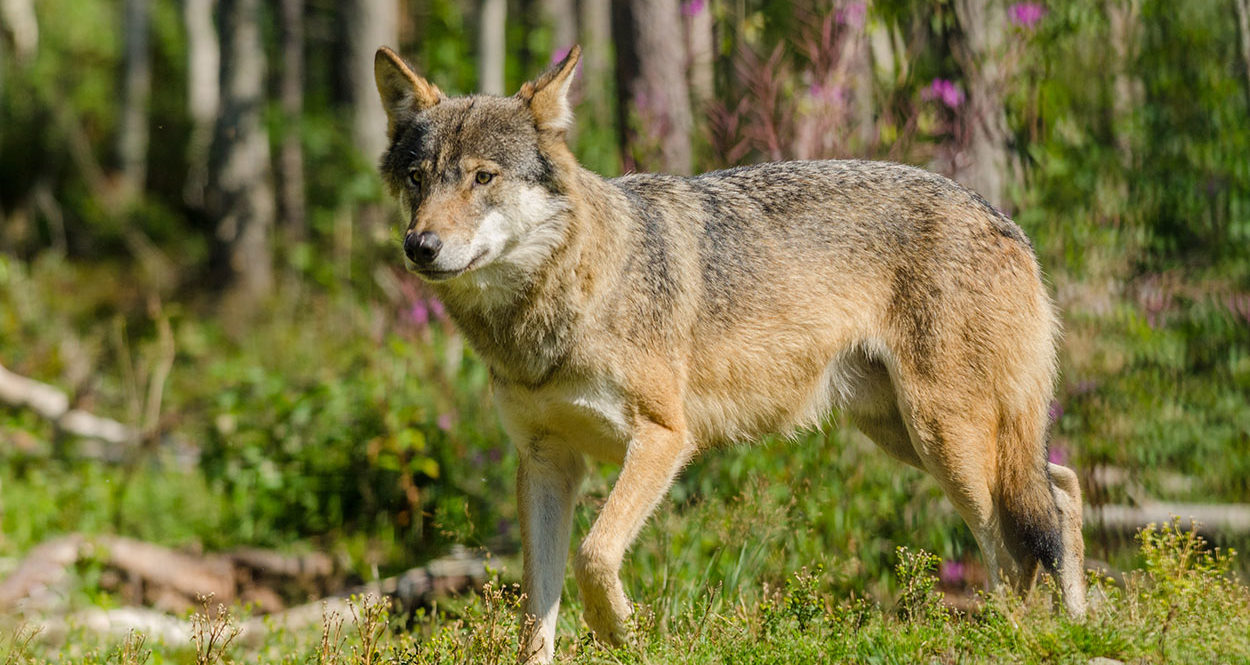
This month, FACE has chosen the Latvian conservation of large carnivores as the Biodiversity Manifesto project of the month. The Latvian hunters are involved in multiple ways in a project to monitor population changes in Wolf and Lynx populations. Latvia has managed a stable population with a slight increase. The objective is to have no less than 300 – 500 wolves (Canis lupus) in spring before young puppies are born. This is a well managed population that has come from an...

To mark the 25th Anniversary of the Habitats Directive and of the LIFE Programme, the European Commission together with the European Parliament, the Council Presidency and the Committee of the Regions declared 21st May as “European Natura 2000 Day”. Natura 2000 is producing good results but implementation clearly needs improvement at Member State level in particular with greater stakeholder involvement and dialogue. FACE will be supporting a better implementation of Natura 2000 as outlined in the EU Action Plan for Nature, People...

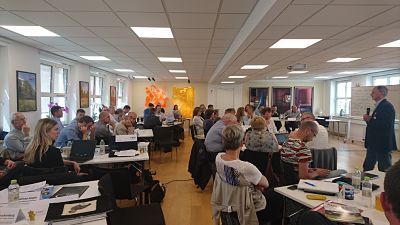
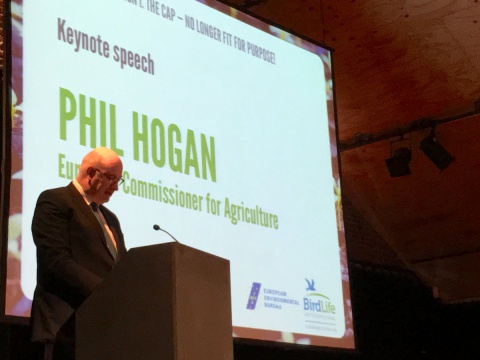
FACE was present at a conference on the reform of the Common Agricultural Policy (CAP). The CAP is a major policy in Europe and currently uses the largest portion of the European Commission’s (EC) budget (almost 40%). It has resulted in major improvements in food production since its conception in 1957, however, there is recognition that the future CAP to be more sustainable. For FACE, the decline in farmland biodiversity, especially (huntable) small game species, is a very important subject....

The Common Agricultural Policy (CAP) accounts for nearly 40% of the EU budget and is a crucial support mechanism for agriculture and the rural environment in Europe. Many hunters will be aware that European agriculture has had a significant impact on farmland biodiversity, including many small game species. In 2020, the CAP will be revised; FACE and its members will be working hard to improve the next CAP and its consequences for hunting and conservation. In FACE’s view, the next CAP...

This year, the European Federation for Hunting and Conservation (FACE) is celebrating World Migratory Bird Day as a means to promote the recently established Waterbird Fund. FACE is calling on those who sustainably use and conserve waterbirds to contribute to this important Fund to ensure that we better understand the status of our migratory waterbird populations. The FACE Biodiversity Manifesto demonstrates that hunters are already actively involved in managing and creating wetlands that are important for migratory birds in Europe. However,...

Last week, the European Commission published its “Action Plan for Nature, People and the Economy”, which was the result of the “Fitness Check” of the EU nature directives. FACE, with input from its Members, has been involved in the entire Fitness Check consultation process including the development of this EU Action Plan. The Plan includes important actions for European hunters to be delivered by 2019, including: Updating guidance on species protection rules under the Habitats Directive; Updating the “Key concepts document on the...

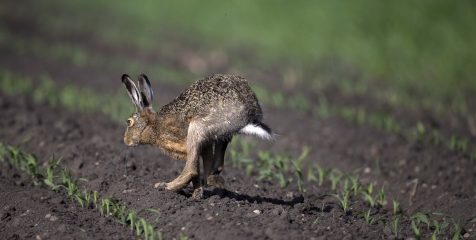
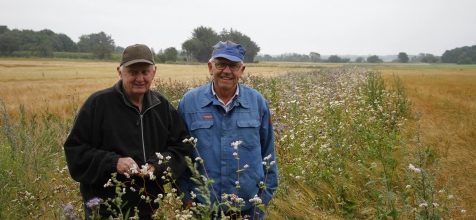
On 29 April, ANCPG, RSHCB, and FACE highlighted the necessity for stronger collaboration between farmers and hunters at a conference on farmland small game management. All stakeholders agreed on the importance of strong partnerships to conserve small game species threatened by the intensification of farming. Related Member: BELGIUM: Royal Saint-Hubert Club de Belgique (RSHCB)...

Examples from Europe where hunting positively influences the conservation of threatened species. In 2017, FACE gathered nine projects in five countries in Europe where hunters are involved in the conservation of threatened species. Hunting, as an activity, creates a powerful incentive for the promotion of biodiversity conservation. Species that are threatened by changing land uses and farming practices, like the Grey Partridge and the Red Grouse, can benefit from actions of hunters. It is in all our interest to conserve biodiversity;...

On Friday 7 April, the representatives of the European hunting world gathered in Brussels for the 2017 FACE Members’ Meeting, which was focused on a new strategy for the years ahead. The FACE Members’ Meeting takes place once a year to enhance exchanges between FACE Members and to boost implementation of FACE’s positions and initiatives. This year, the meeting focused on FACE’s long term goal: To promote sustainable hunting as an integral part of European culture and a vital tool for...

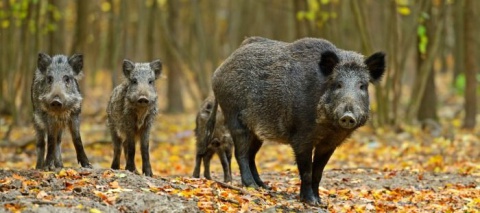
On Thursday 6 April, FACE, the Federation of Associations for Hunting and Conservation of the EU, in conjunction with CIC, the International Council for Game and Wildlife Conservation, organised a workshop on “Preparing Hunters for African Swine Fever” in Brussels. African swine fever (ASF) is a highly transmissible disease affecting pigs and wild boars with serious socio-economic, wildlife and public health consequences. The disease can spread rapidly, irrespective of national borders. With regard to wildlife management and hunting, AFS can be devastating....

Today, the European Parliament (EP) in plenary session voted on the revision of the EU Firearms Directive and approved it. All amendments have been rejected. The provisional agreement on the revision of the EU Firearms Directive - which was agreed during the trilogue meetings, between EP, the Council and European Commission - sets out the conditions under which private persons may lawfully acquire and possess firearms or transfer them to another EU country. This agreement was previously approved by the EP...

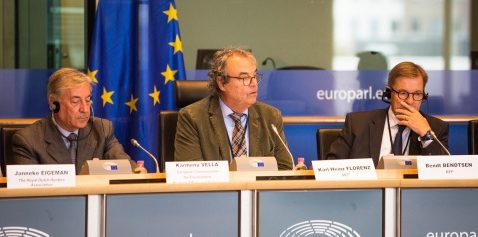
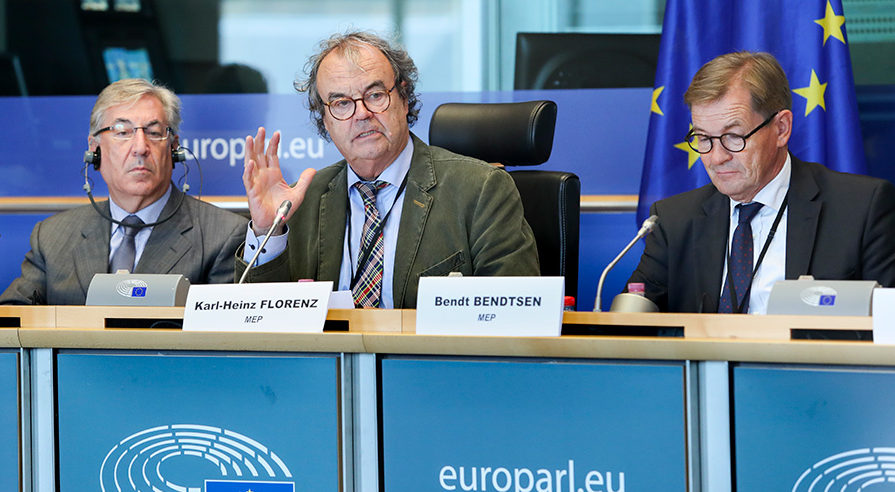
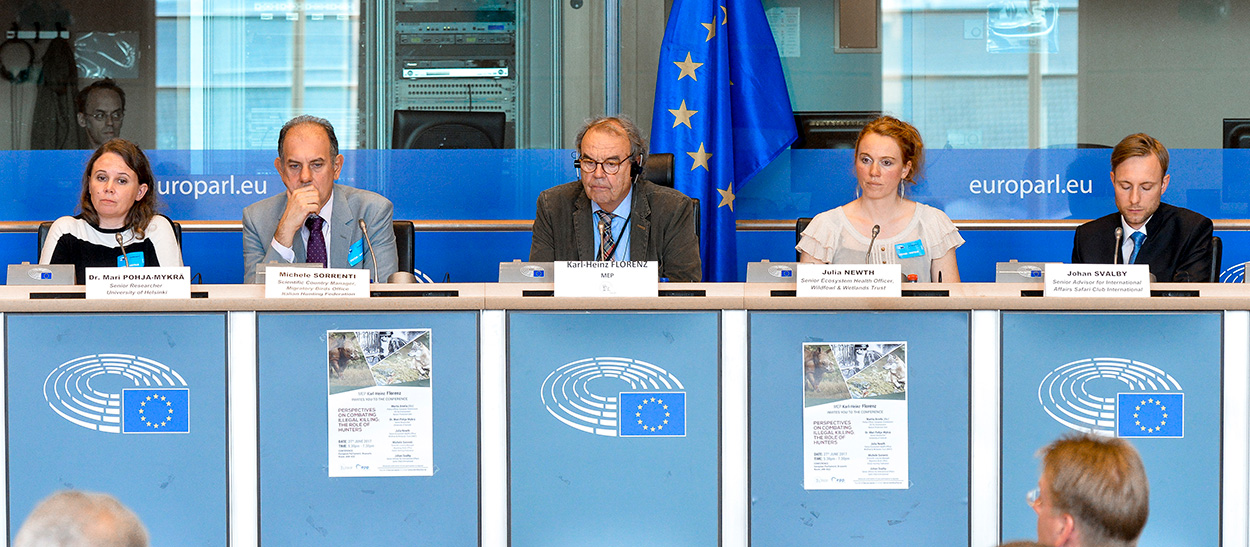
On Tuesday 7th March, FACE, the Federation of Associations for Hunting and Conservation of the EU, organised the conference “The future of the Nature Directives: Where are we going?”, hosted by MEP Karl-Heinz Florenz and MEP Renata Briano at the European Parliament in Brussels. Recently, the European Commission (EC) published the Fitness Check evaluation of the EU Nature Directives and concluded that they remain highly relevant and fit for purpose. However, in order to fully achieve the objectives of the Nature...

Today, at the International Weapons Exhibition (IWA) and Outdoor Classics 2017 trade show in Nuremberg, Germany, FACE and the Association of European Manufacturers of Sporting Firearms (ESFAM) strengthened again their bond and commitment to tackle remaining critical issues of the Firearms Directive ahead of the crucial vote in the European Parliament plenary session mid of March 2017. Provisions for authorisations, licenses, including renewals and prolongations, and storage of firearms still remain unclear, with a danger of over-regulation leading to poor implementation...

FACE, Copa & Cogeca, CEPF, ELO welcome new EU Court of Auditors report showing huge potential of Natura 2000 in protecting biodiversity but warn uptake is poor as funds difficult to access. FACE, Copa & Cogeca, CEPF, ELO welcomed in Brussels today a new EU Court of Auditors report which shows the huge potential of Natura 2000 in protecting biodiversity but warn that uptake is poor as the network is not being managed properly and funds are difficult to access. The report...

The conference, organized by MEP Karl-Heinz Florenz, President of the Hunting Intergroup and MEP Renata Briano, Vice-President, in cooperation with FACE, will take place on 7th March 2017 at the European Parliament in Brussels. On the 7 December 2016, the European Commissioner for Environment, Karmenu Vella, confirmed the next steps of the Fitness Check of the Birds and Habitats Directives: the European Commission will develop an implementation Action Plan to improve implementation of the Birds and Habitats Directives. This Action Plan...

FACE attended the 12th Meeting of the AEWA Standing Committee from 31 January to 1 February, hosted by the French Ministry of Environment, Energy and Sea at its premises in La Défense, Paris. This was the first full intersessional meeting of the Committee since MOP6 in 2015; the Committee will next meet in 2018. The busy agenda included reviews of the implementation of the Recommendations of the Standing Committee Report to MOP6 on the Progress of implementation of the AEWA Strategic...

Every January, many people from all over Europe go out in cold weather to count waterbirds for the International Waterbird Census (IWC), the monitoring scheme, which provides clarity on waterbird populations and their trends. In Italy, there is good cooperation in place in many areas between professional ornithologists, bird watchers and hunters to ensure good coverage of wetlands, particularly the biggest ones, such as Venice Lagoon and Po delta. Under the umbrella of ISPRA, The Italian Institute for Environmental Protection and Research,...

The Holsteiner Lebensraum Project aims to restore the ecological connectivity of the Kreis Segeberg Region (North Germany). Species and habitats became fragmented mainly due to the building of two highways. One of the main objectives was to develop the Holsteiner Lebensraum Korridore in conjunction with a range of partners, including the Kreis Segeberg eV hunters. Several actions are set up at different scales and for different habitats, including: The construction of a green bridge over the highway to reconnect the forest. Deer and...

FACE supports the appeal to gather donations for the emergency monitoring of waterbirds in Southeastern Europe launched by Wetlands International. Wetlands International manages the Waterbird Fund - established after the invitation of the UNEP African-Eurasian Waterbird Agreement (AEWA) and the Ramsar Convention on Wetlands - and set up to strengthen the monitoring and conservation of waterbirds in the context of the 51st International Waterbird Census. Monitoring – long-term, repeated data collection – is the foundation for managing and understanding wetlands and...

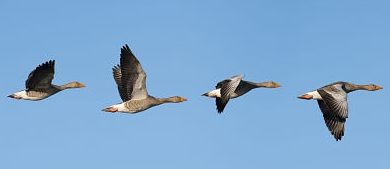
Strasbourg, 17 January 2017 – The European Parliament Intergroup “Biodiversity, Hunting, Countryside” hosted the debate “How to Manage Overabundant Species: The Example of Goose Management” at the European Parliament in Strasbourg. The debate had as its main focus how so called “adaptive harvest management” may have advantages over traditional approaches in the conservation and management of Europe’s goose populations. It was organised by the Federation of Associations for Hunting & Conservation of the EU (FACE), chaired by MEP Karl-Heinz Florenz,...

On 17th January 2017, the European Parliament Intergroup “Biodiversity, Hunting, Countryside” will host a debate entitled: “How to Manage Overabundant Species: The Example of Goose Management” at the European Parliament in Strasbourg. The meeting will discuss how adaptive harvest management can inform the conservation and management of Europe’s goose populations, in particular, for abundant and increasing populations of geese. The concept of adaptive harvest management in Europe emerged recently from the AEWA Guidelines on Sustainable Harvest of Migratory Waterbirds and work...

Stay informed, subscribe to the FACE Newsletter
🌎 🇬🇧