
Nature Conservation

The Holsteiner Lebensraum Project aims to restore the ecological connectivity of the Kreis Segeberg Region (North Germany). Species and habitats became fragmented mainly due to the building of two highways. One of the main objectives was to develop the Holsteiner Lebensraum Korridore in conjunction with a range of partners, including the Kreis Segeberg eV hunters. Several actions are set up at different scales and for different habitats, including: The construction of a green bridge over the highway to reconnect the forest. Deer and...

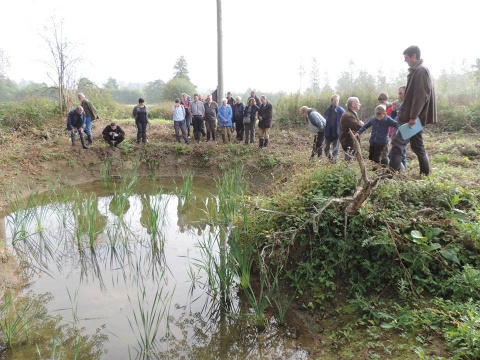
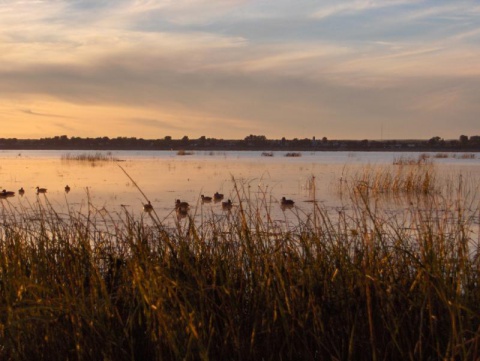
This wetland restoration project takes place on a hunter’s 30 ha landholding in Flanders (Belgium). The site forms part of a Special Area of Conservation (SAC) under Natura 2000 and the objective is it to restore an Annex I habitat; an alluvial forest with Alder (Alnus glutinosa) and Ash (Fraxinus excelsior). Between 2012 and 2013, with the financial support of Agentschap voor Natuur en Bos (Agency for Nature and Forest) and Natura 2000 subsidies combined with hunters’ assistance in the field,...

On the 7 December 2016, EU Commissioners confirmed the next steps of the Fitness Check of the Birds and Habitats Directives. Thus far, the extensive consultation process has pointed to the need for better implementation, increased funding for nature conservation, and fully addressing the drivers of biodiversity loss in the wider countryside. On the basis of today’s debate, the European Commission will develop an implementation Action Plan to improve implementation of the Birds and Habitats Directives. This Action Plan will likely contain...

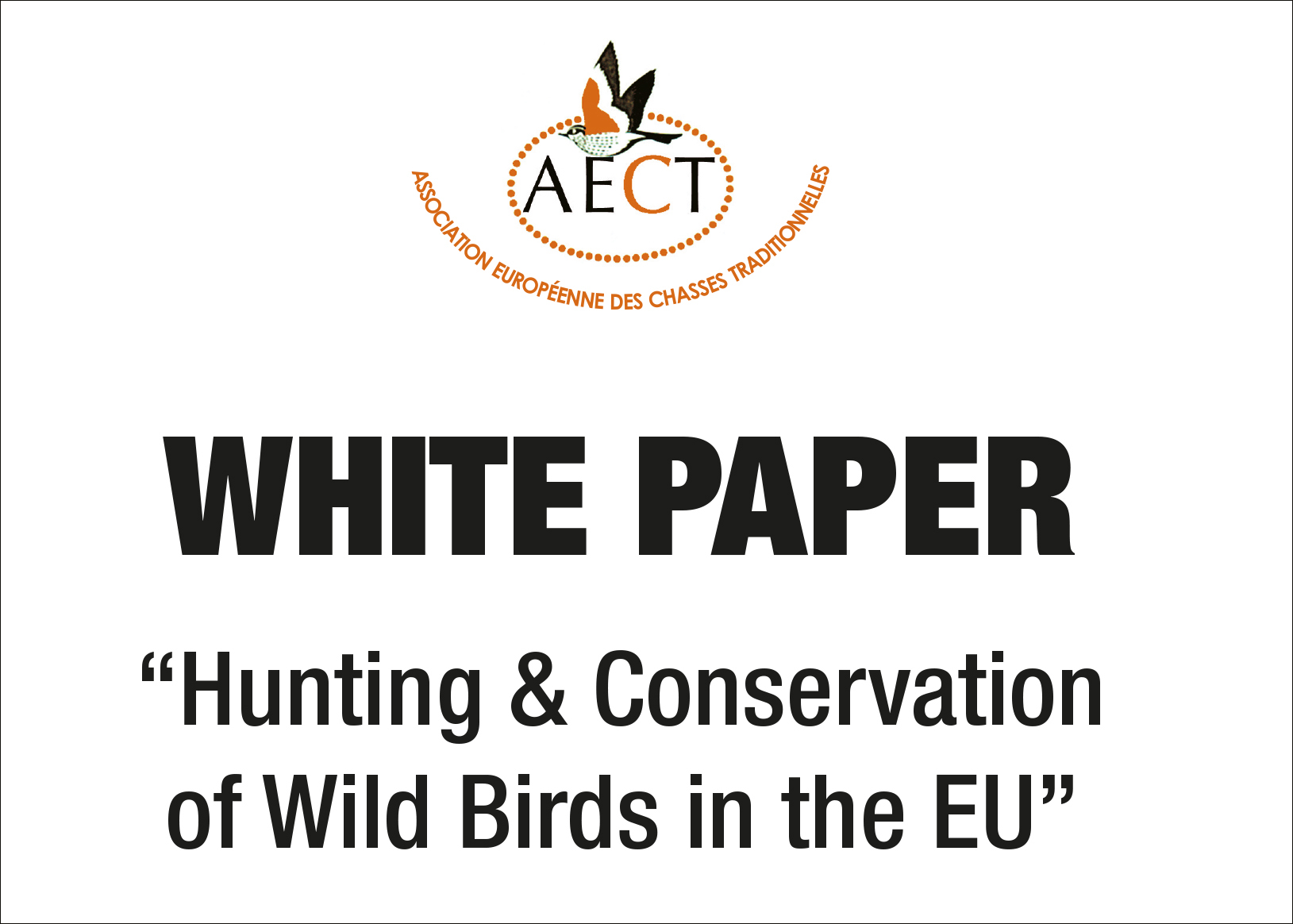
The document “Hunting & Conservation of Wild Birds in the EU” is a guidance document for European and national policy makers on the implementation and interpretation of the Birds Directive in relation to hunting. This “White Paper” was developed by the European Association for Regional Hunting Traditions (AECT) in close cooperation with FACE who adopted it on 28 September 2016. It assesses of the impact of the Birds Directive on sustainable bird hunting practices in Europe, and in particular on the...

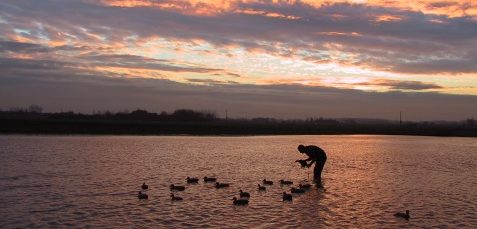
Wetlands provide countless benefits or “ecosystem services”, which range from supplying freshwater, food and biodiversity, to flood control, groundwater recharge, and climate change mitigation. Throughout Europe, wetlands continue to decline in area and quantity despite numerous policy and legal targets to halt their decline[1]. The main causes of wetland loss include land use change to forestry and agriculture, urbanisation, invasive alien species and climate change. Hunting and wetland conservation Of the 208 projects currently listed in the FACE Biodiversity Manifesto, 90 are active...

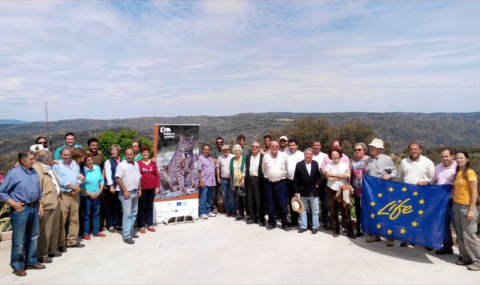
Spanish and Portuguese hunters participated in the successful project LIFE+IBERLINCE, which has tripled the number of Iberian lynx in only one decade from less than 100 individuals in 2002 to more than 400 in 2015. LIFE+Iberlince has been running from 2011, and will finish in 2017; there have also been three other previous Life projects since 2002. The current project, “Recovery of the historical distribution of the Iberian lynx (Lynx pardinus) in Spain and Portugal”, was set up by the...

The European Commission has made public its expert study: Evaluation Study to Support the Fitness Check of the Birds and Habitats Directives. The study, which was completed in March 2016, was only made public yesterday due to an official access to document request made by the WWF The report was prepared by a group of experts led by Milieu Ltd. on the request of the European Commission in the framework of its “Fitness Check” of the Birds and Habitats Directives. In...

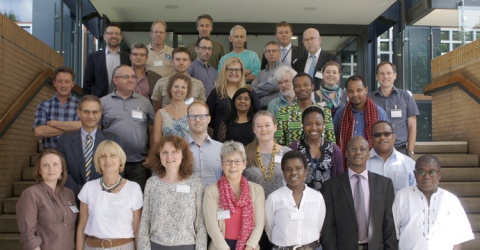
The development of the revised Strategic Plan for the African-Eurasian Migratory Waterbird Agreement (AEWA) for the period 2019 – 2027 was formally launched at the meeting of the AEWA Strategic Plan Working Group in Bonn on the 28-30 June 2016. FACE was represented by Dr. David Scallan. The meeting brought together a wide range of AEWA stakeholders, including designated representatives from Contracting Parties, members of both the Standing and Technical Committees as well as a number of key AEWA partner organizations. Aside...

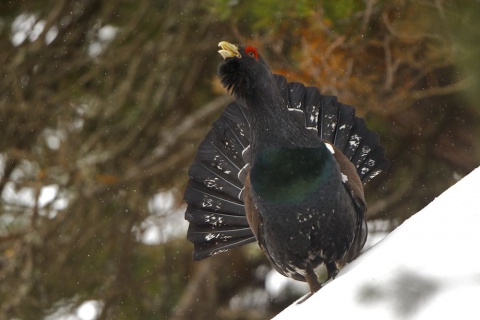
Hunters team up with public bodies responsible for state forestry services in Poland in order to preserve the country’s capercaillie population. In the provinces of Dolnoslaskie in Poland’s South-East, and Podlaskie in the North-West, populations of capercaillie (Tetrao urogallus), the largest member of the Grouse family, are in decline. At the beginning of the 20th century there were more than 3000 capercaillies living in Poland, however recent population estimates put the current figure at 350-450 individuals. Shrinking populations of...

Stay informed, subscribe to the FACE Newsletter
🌎 🇬🇧