
International Agreements

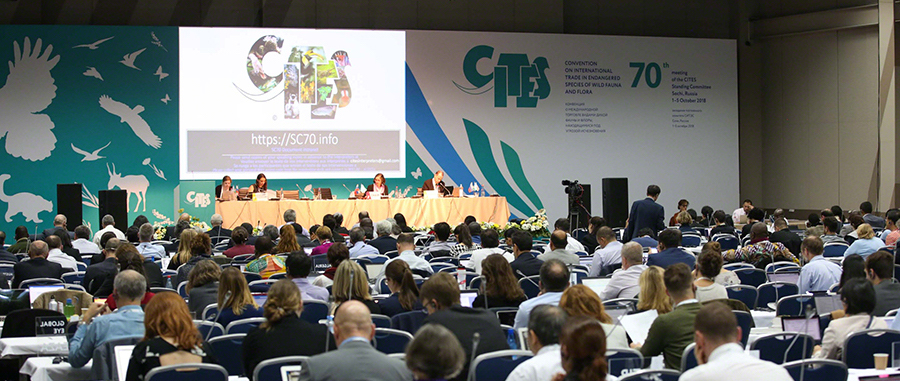
The Convention in International Trade in Endangered Species (CITES) concluded its meeting of the Standing Committee on 5 October 2018. The meeting saw a packed agenda, with important topics like quota for Leopard hunting trophies and the involvement in CITES of local communities and their livelihoods. This was also the last meeting before the CITES Conference of Parties (CoP), in May 2019. Leopard hunting quota Last July the CITES Animals Committee, and now the Standing Committee, reviewed the quota for Leopard...

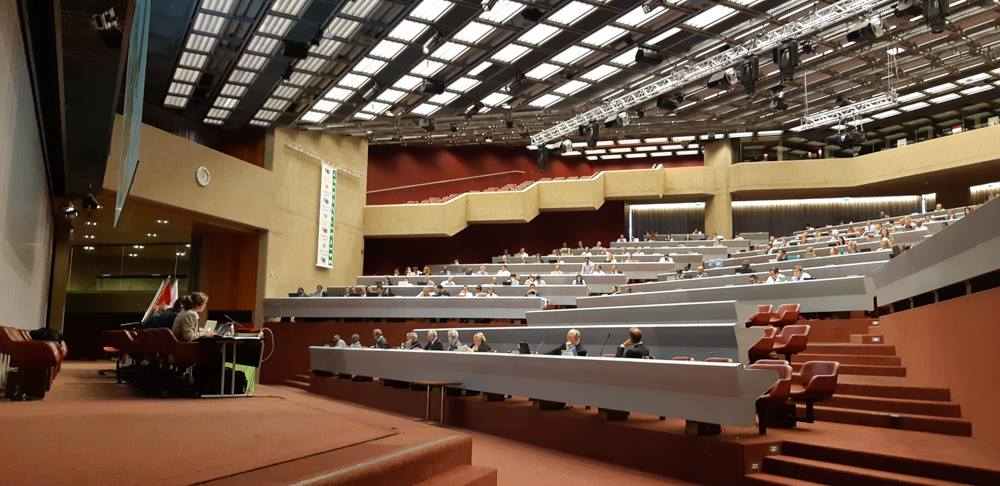
The Convention in International Trade in Endangered Species (CITES) concluded its meeting of scientific experts (Animals Committee) on 21 July 2018. The major achievement was the positive outcome of the review of leopard hunting quota for several African countries: the quota of 7 countries could be retained, as the review showed that they were sustainable and not detrimental to the survival of the species. CITES regulates international trade to make sure that trade in endangered species is legal, sustainable and not...

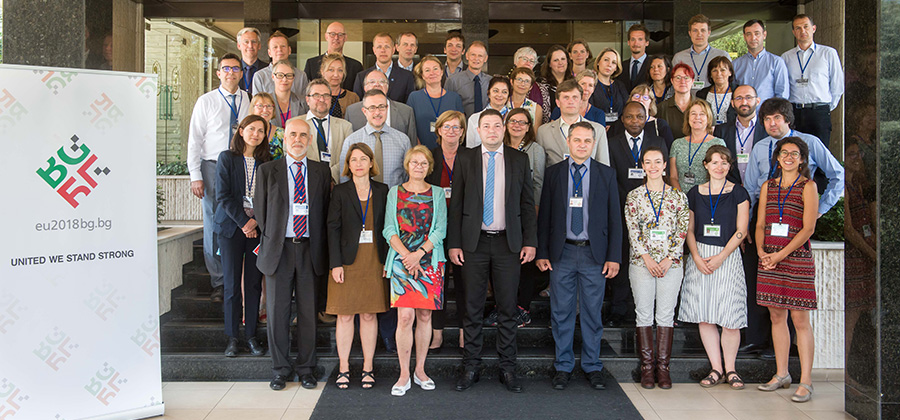
On 5 and 6 June, FACE attended the EU Nature Directors meeting held in Plovdiv, Bulgaria where Member States, the European Commission and stakeholder representatives met to discuss EU environment policies. The main topics included: The progress made as well as the next steps concerning the implementation of the EU Biodiversity Strategy to 2020 and the Nature Action Plan. While discussing the EU Regulation on Invasive Alien Species (IAS), FACE reminded all Member States to involve hunters in the implementation...

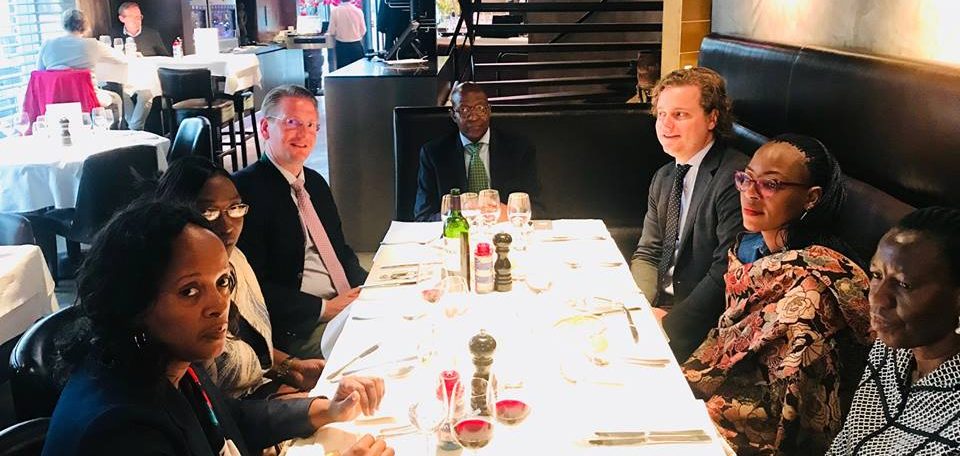
Ahead of a week full of meetings for the African, Caribbean and Pacific Group of States (ACP) and the joint EU-ACP parliamentary assembly, FACE met with the delegation from Namibia to discuss relevant topics on the agenda. Wildlife trafficking, the role of CITES, the added value of hunting to conservation and its role in combating poaching and other wildlife crime were discussed. The ACP group and the joint parliamentary assembly with the European Parliament were created to foster economic integration...

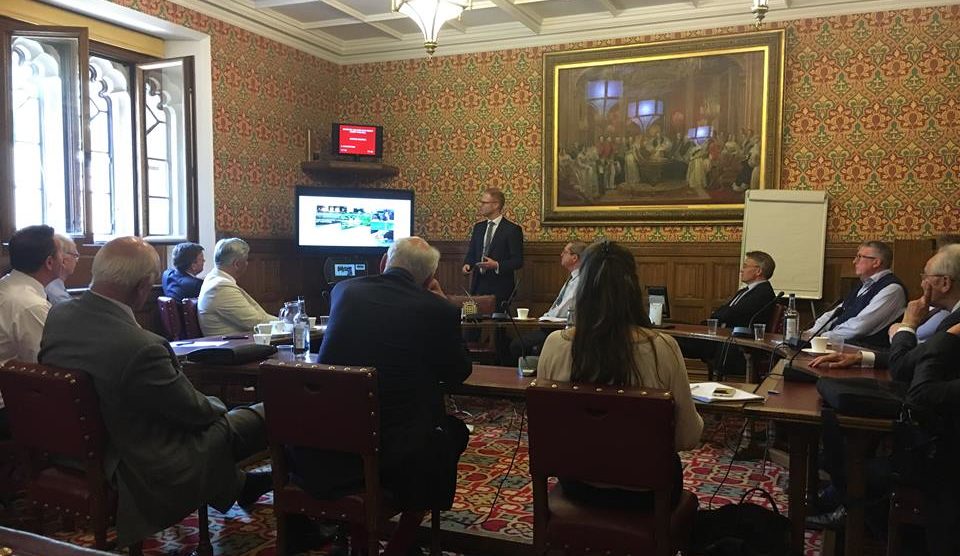
The implications of Brexit on shooting and hunting activities in the UK were discussed at a recent meeting of the All-Party Parliamentary Group on Shooting and Conservation (APPG) in the UK Parliament, Westminster, London. The extent to which the UK would be free to change its environmental rules, including those related to shooting after Brexit, would be limited by the UK’s legal obligations with international environmental agreements. It was also stressed that the UK will no longer continue to receive...

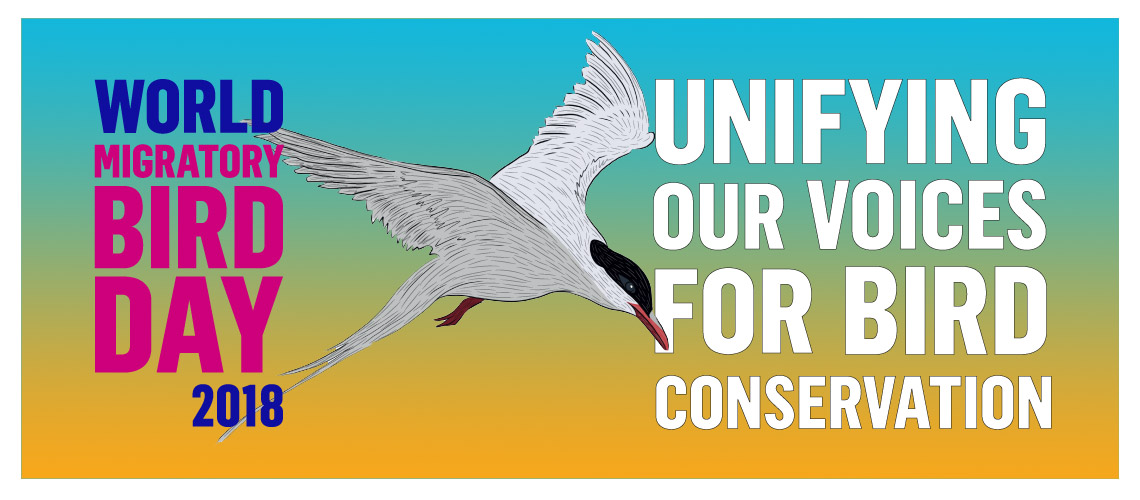
The theme of the World Migratory Bird Day 2018 is “Unifying our voices for bird conservation”. This year, the European Federation for Hunting and Conservation (FACE) is celebrating World Migratory Bird Day by promoting the recently established Waterbird Fund as a means to fill important gaps in the Second European Breeding Bird Atlas in Russia. FACE is calling on those who sustainably use and conserve waterbirds to contribute to this important Fund to ensure that we better understand the status...

From 5-8 December 2017, Contracting Parties to the Bern Convention gathered in Strasbourg for the 37th annual meeting of its Standing Committee. Experts and NGO representatives, including FACE, joined national delegates to discuss the outcomes of activities implemented throughout 2017, in particular on the control of invasive alien species, the eradication of illegal killing of birds, the relation between biodiversity and climate change, and the management of protected areas. On invasive alien species (IAS), FACE was pleased to see that its...

Manila, 28 October 2017 - For the past week in Manila, the Philippines, the Federation of Associations for Hunting and Conservation of the EU (FACE) and the British Association for Shooting and Conservation (BASC) jointly contributed to many intense and high-level debates dealing with lead ammunition, illegal killing of birds and new listing proposals for species during the 12th Conference of Parties to the CMS. Avian Working Group At the beginning of the week, working groups discussed resolutions, decisions and listing proposals...

From 18-22 July 2017, FACE attended the 29th meeting of the Animals Committee (AC) of the Convention on International Trade in Endangered Species of Fauna and Flora (CITES). This was the first meeting after the Conference of the Parties (CoP), which FACE attended in Johannesburg last year. This meeting sets the priorities for the coming cycle of meetings, culminating in CoP 18 in Sri Lanka. The AC gives scientific input in all the processes involving animal species. The meeting was attended...

The 18th International Wildlife Law Conference will be held in Tilburg, the Netherlands, on 18-19 April 2018. The conference is being organised by Tilburg University’s Department of European and International Public Law. An optional post-conference field trip, arranged with Staatsbosbeheer, will be held on April 20, 2018. The Conference will include papers on a range of legal and policy frameworks for achieving transboundary conservation, including the various global and regional wildlife treaties and the European Union’s Nature Directives. Papers are invited...

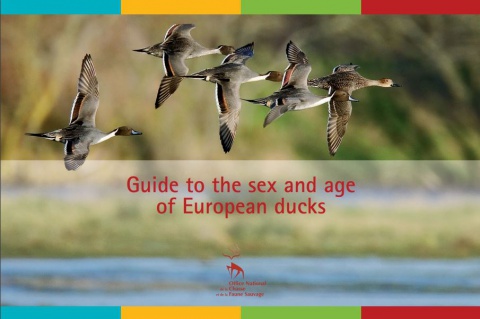
FACE welcomes ONCFS’s guide to the ageing and sexing of common European ducks. First published in 2014, it is now available in English and can be downloaded. The guide covers the ten ducks most commonly observed, ringed and hunted in France (Red-crested Pochard, Common Pochard, Tufted Duck, Gadwall, Teal, Mallard, Pintail, Shoveler, Garganey and Wigeon).The text is supplemented by tens of original photographs of wings and other specific plumage features for each species, with a concise text explaining which specific criteria...

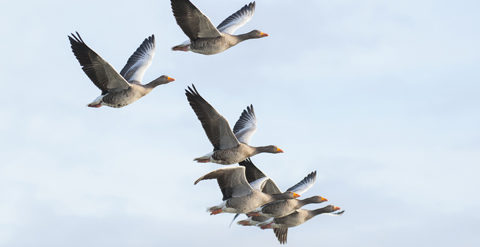
From the 12-14 June, FACE attended a Stakeholder workshop hosted by Denmark for the development of an AEWA International Species Management Plan for the Barnacle Goose (East Greenland/Scotland & Ireland; Svalbard/South-west Scotland; and Russia/North-west Europe populations). The Barnacle goose has seen a remarkable increase of its population and is now creating many problems for agriculture, nature conservation and air safety. At the workshop, there was disagreement expressed by some on the legal framework for managing the Barnacle goose at the flyway level...

FACE attended the 12th Meeting of the AEWA Standing Committee from 31 January to 1 February, hosted by the French Ministry of Environment, Energy and Sea at its premises in La Défense, Paris. This was the first full intersessional meeting of the Committee since MOP6 in 2015; the Committee will next meet in 2018. The busy agenda included reviews of the implementation of the Recommendations of the Standing Committee Report to MOP6 on the Progress of implementation of the AEWA Strategic...

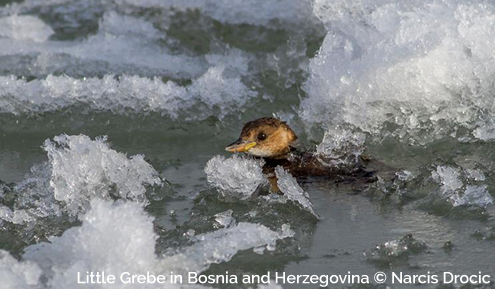
FACE supports the appeal to gather donations for the emergency monitoring of waterbirds in Southeastern Europe launched by Wetlands International. Wetlands International manages the Waterbird Fund - established after the invitation of the UNEP African-Eurasian Waterbird Agreement (AEWA) and the Ramsar Convention on Wetlands - and set up to strengthen the monitoring and conservation of waterbirds in the context of the 51st International Waterbird Census. Monitoring – long-term, repeated data collection – is the foundation for managing and understanding wetlands and...

Strasbourg, 17 January 2017 – The European Parliament Intergroup “Biodiversity, Hunting, Countryside” hosted the debate “How to Manage Overabundant Species: The Example of Goose Management” at the European Parliament in Strasbourg. The debate had as its main focus how so called “adaptive harvest management” may have advantages over traditional approaches in the conservation and management of Europe’s goose populations. It was organised by the Federation of Associations for Hunting & Conservation of the EU (FACE), chaired by MEP Karl-Heinz Florenz,...

On 17th January 2017, the European Parliament Intergroup “Biodiversity, Hunting, Countryside” will host a debate entitled: “How to Manage Overabundant Species: The Example of Goose Management” at the European Parliament in Strasbourg. The meeting will discuss how adaptive harvest management can inform the conservation and management of Europe’s goose populations, in particular, for abundant and increasing populations of geese. The concept of adaptive harvest management in Europe emerged recently from the AEWA Guidelines on Sustainable Harvest of Migratory Waterbirds and work...

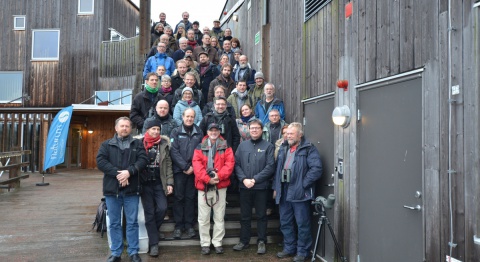
FACE attended the 1st Meeting of the AEWA European Goose Management Platform in Kristianstad, Sweden from 13-16 December 2016. This process marks the beginning of a more coordinated and science-based approach towards the conservation and sustainable use of goose populations within Europe. The proposed structure of the European Goose Management Platform (EGMP) will require an AEWA-led coordination unit, a data centre and participation by multiple countries and representative organisations, including FACE. This management structure will ensure an internationally coordinated decision-making process. The...

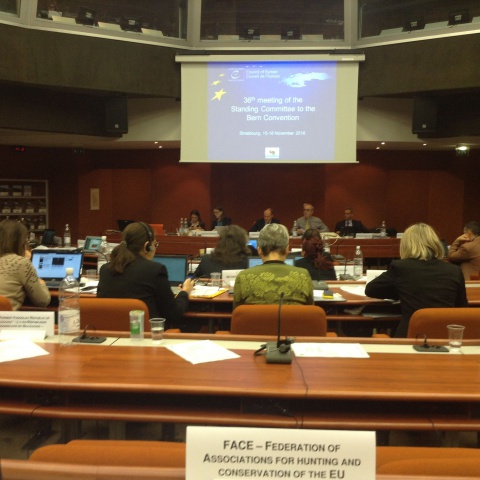
Between 15-18th of November 2016, FACE attended the 36th meeting of the Standing Committee of the Bern Convention in Strasbourg. This year, the focus of the meeting was on the outcomes of the 2016 meetings and activities, in particular, the issue of bird conservation, the fight against invasive alien species, the relationship between biodiversity and climate change, and the management of protected areas. Regarding the North American Mink, the Bern Convention now recommends that Contracting Parties: “Carry out national campaigns aimed to...

FACE is currently attending the 36th meeting of the Standing Committee of the Bern Convention, which runs from the 15th to the 18th November 2016. The Convention on the Conservation of European Wildlife and Natural Habitats (or Bern Convention) is the first international agreement dedicated to nature conservation, covering most of Europe and some African countries (50 states in total). Government representatives and organisations meet once a year at the Standing Committee meeting in Strasbourg to talk about environment concerns and...

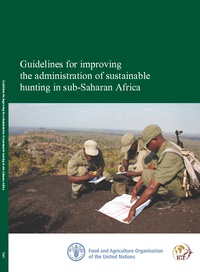
This manual, which is now available on the FAO website, provides both technical and operational guidance on approaches and practices adopted by countries where regulated or sport hunting is conducted. The aim is to join forces to sustainably manage wildlife, notably by deriving benefits from wildlife to support rural livelihoods, and contribute to food security and national/local economies The social and economic benefits derived from sustainable use, including revenues from trophy hunting, provides sustainable incentives for local people to conserve wildlife....

At the meeting, Government representatives and a range of other stakeholders worked on developing a comprehensive programme of work for the Task Force until 2020. The MIKT adopts a zero tolerance approach to illegal killing, trapping and trade of migratory birds (IKB). For this to be successful, it requires the full and proactive support at national level of all stakeholders. FACE has a long-standing zero tolerance policy on wildlife crime including illegal killing, as it is simply not hunting. Dr. David...

The development of the revised Strategic Plan for the African-Eurasian Migratory Waterbird Agreement (AEWA) for the period 2019 – 2027 was formally launched at the meeting of the AEWA Strategic Plan Working Group in Bonn on the 28-30 June 2016. FACE was represented by Dr. David Scallan. The meeting brought together a wide range of AEWA stakeholders, including designated representatives from Contracting Parties, members of both the Standing and Technical Committees as well as a number of key AEWA partner organizations. Aside...

FACE is pleased to announce that an agreement was reached to establish a European Goose Management Platform under AEWA. The meeting, which took place in Paris on the 11-12 May 2016, was attended by the following AEWA range states: Belgium, Denmark, Finland, France, Germany, Greenland, Iceland, the Netherlands, Norway, Sweden and UK. The meeting was hosted and organised by the French Ministry of the Environment, Energy and the Sea as well as OMPO and represents a major turning point in the way...

Stay informed, subscribe to the FACE Newsletter
🌎 🇬🇧