
Wildlife Conservation

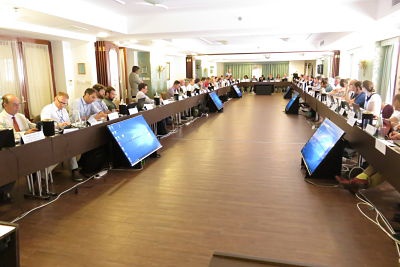
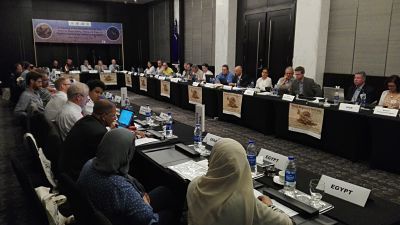
On 22 June 2017, FACE attended a two day meeting in Sliema, Malta, to make progress towards eradicating the Illegal Killing, Taking and Trade of Migratory Wild Birds (IKB). The meeting was chaired by the Maltese Government and attended by over 80 participants from 24 countries in Europe, 17 of which are EU member states, 29 observer organisations that included NGOs, enforcement groups and networks and scientific organisations. The meeting was part of the Convention on Migratory Species (CMS) Intergovernmental Task Force...

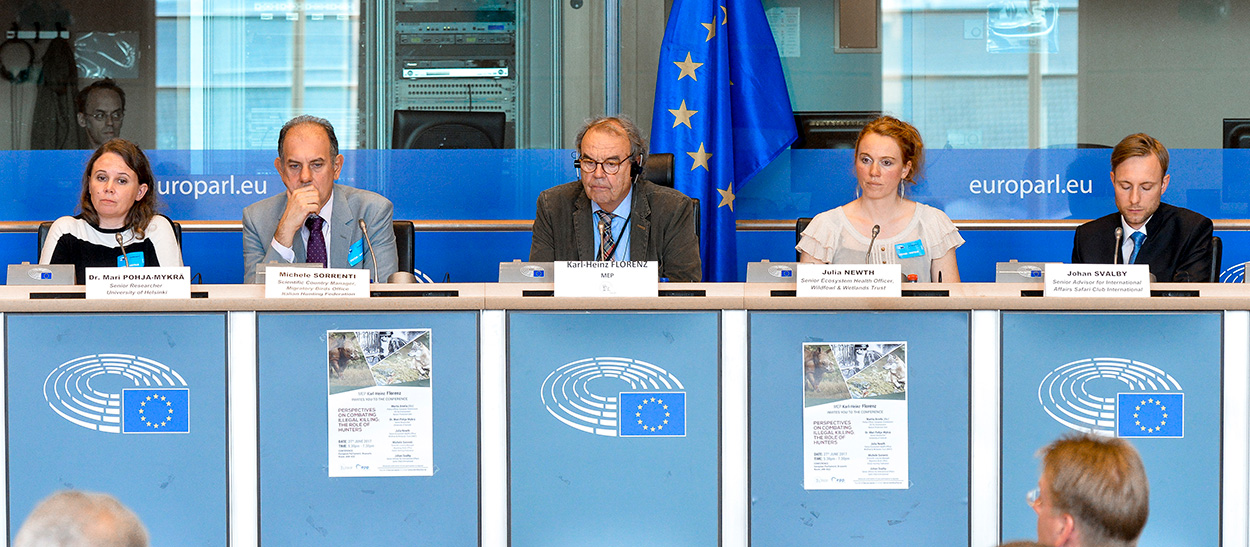
On Tuesday 27 June, the conference “Perspectives on Combating Illegal Killing: The Role of Hunters”, organised by FACE, the Federation of Associations for Hunting and Conservation of the EU and hosted by MEP Karl-Heinz Florenz at the European Parliament in Brussels, discussed the contribution of hunters in combating illegal killing. MEP Karl-Heinz Florenz, President of the Intergroup ‘Biodiversity, Hunting, Countryside’ and Chair of the meeting, stated that: “Hunters have an important role to play in tackling illegal killing, through their involvement...

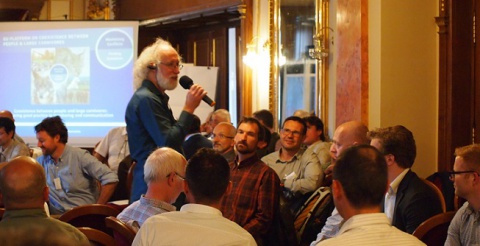
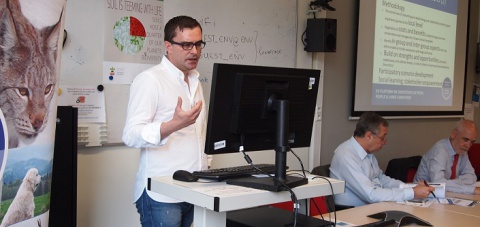
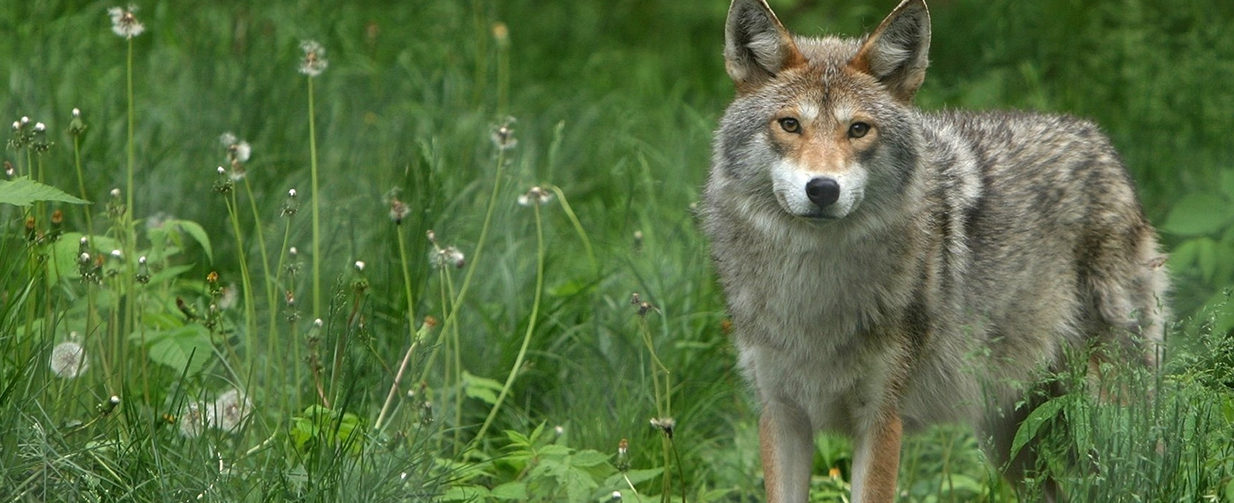
In conjunction with their national partners, FACE and WWF organised a regional workshop of the Large Carnivore Platform in Bucharest, Romania on Coexistence between people and large carnivores: Sharing good practice in monitoring and communication. Together with the Secretariat of the Platform, they brought together the different actors involved with large carnivore management in Romania. There was a great variety of presentations, with a focus on the conservation, management and monitoring of large carnivores in different European countries. The workshop aimed at...

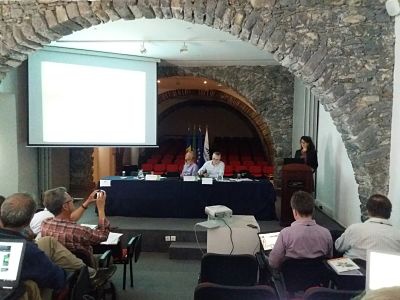
From the 1-3 of June, FACE attended the 12th meeting of the Group of Experts of the Bern Convention on Invasive Alien Species in Madeira (Portugal). At the meeting, Member States presented their implementation reports on the European Strategy on IAS. A number of NGOs also presented their reports and progress made on IAS. FACE’s Conservation Policy Assistant, Monia Anane, participated in this meeting and presenting the updated FACE Implementation Report of the Code of Conduct on Hunting and IAS. This included...

Every June, the EU Platform on Coexistence with Large Carnivores convenes in Brussels for their plenary meeting. Items on the agenda included the presentation of the case studies analysis by the Platform secretariat. The final report on the case studies will be presented next year. After that there were presentations of regional platforms dealing with large carnivores: the Alpine Convention platform, the Carpathian Convention and the Switzerland large carnivore platform. There was also some preparatory work for the regional workshop in Romania,...

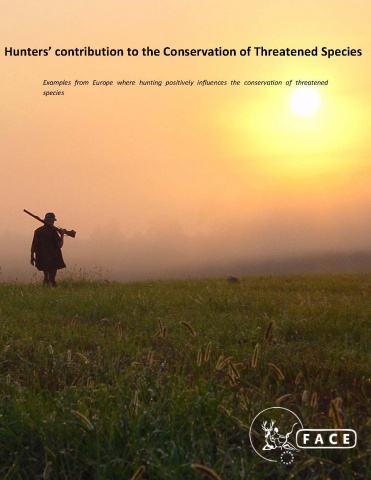
Examples from Europe where hunting positively influences the conservation of threatened species. In 2017, FACE gathered nine projects in five countries in Europe where hunters are involved in the conservation of threatened species. Hunting, as an activity, creates a powerful incentive for the promotion of biodiversity conservation. Species that are threatened by changing land uses and farming practices, like the Grey Partridge and the Red Grouse, can benefit from actions of hunters. It is in all our interest to conserve biodiversity;...

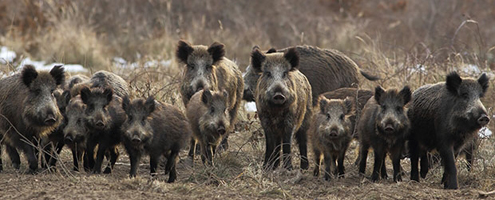
On Thursday 6 April, FACE, the Federation of Associations for Hunting and Conservation of the EU, in conjunction with CIC, the International Council for Game and Wildlife Conservation, organised a workshop on “Preparing Hunters for African Swine Fever” in Brussels. African swine fever (ASF) is a highly transmissible disease affecting pigs and wild boars with serious socio-economic, wildlife and public health consequences. The disease can spread rapidly, irrespective of national borders. With regard to wildlife management and hunting, AFS can be devastating....

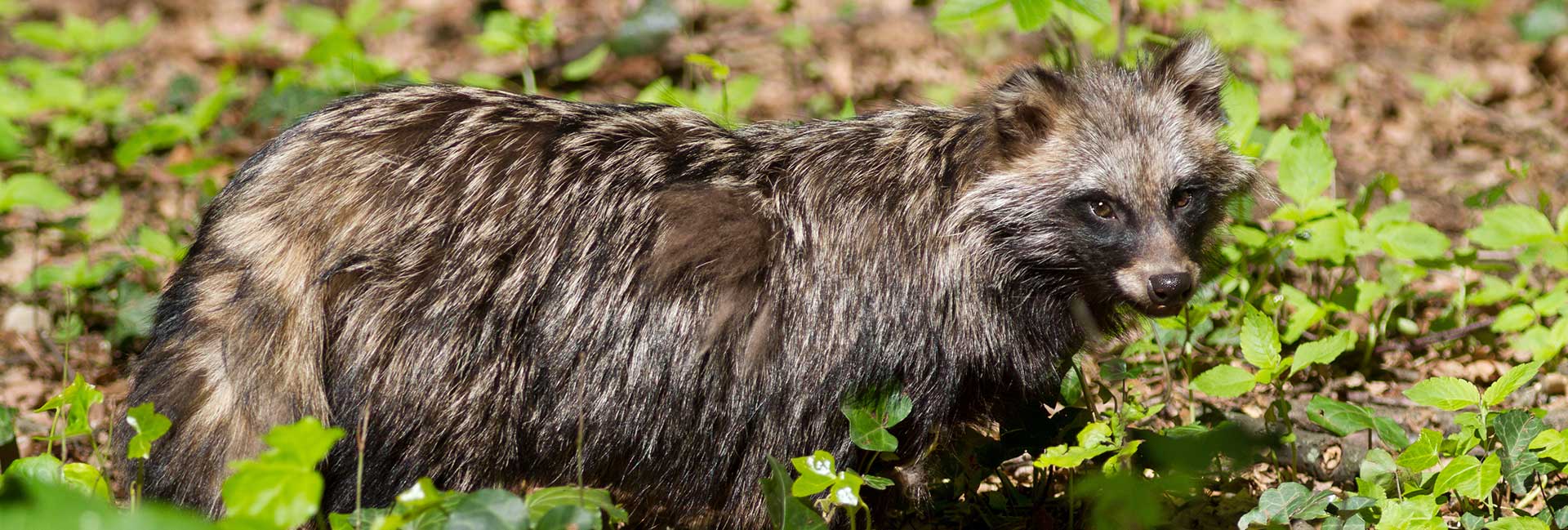
The European Union (EU) Regulation on Invasive Alien Species (IAS), which established the first EU list of IAS, came into force in July 2016. The list currently comprises 37 species (23 animals and 14 plants) considered to have potential adverse impacts across the EU. CONSEQUENCES OF THE LIST This Regulation sets out the restrictions and measures that will now apply to the species on the Union list on keeping, importing, selling, breeding and growing. Among the 23 animal species on the list, four...

Between 15-18th of November 2016, FACE attended the 36th meeting of the Standing Committee of the Bern Convention in Strasbourg. This year, the focus of the meeting was on the outcomes of the 2016 meetings and activities, in particular, the issue of bird conservation, the fight against invasive alien species, the relationship between biodiversity and climate change, and the management of protected areas. Regarding the North American Mink, the Bern Convention now recommends that Contracting Parties: “Carry out national campaigns aimed to...

The European Federation for Hunting and Conservation (FACE), the International Council for Game and Wildlife Conservation (CIC), and the European Landowners Organisation (ELO) condemn the recent decision of the Environmental Minister of Romania to unilaterally suspend evidence-based management of large carnivores. Large carnivores represent one of Europe’s greatest conservation challenges. However, the Carpathian Mountains boast one of the largest and densest large carnivore populations in the western world—including Europe and North America. This widely acclaimed conservation success story demonstrates that decisions...

The document “Hunting & Conservation of Wild Birds in the EU” is a guidance document for European and national policy makers on the implementation and interpretation of the Birds Directive in relation to hunting. This “White Paper” was developed by the European Association for Regional Hunting Traditions (AECT) in close cooperation with FACE who adopted it on 28 September 2016. It assesses of the impact of the Birds Directive on sustainable bird hunting practices in Europe, and in particular on the...

There are many alien (non-native) species in Europe, which can be very useful (such as the beloved potato), however, 10-15% of these alien species are considered “invasive”. Invasive Alien Species (IAS) are often referred to as species of non-native animals or plants, which generate serious negative effects on the environment, economy or even human health. For many decades, much attention has been paid to this problem at EU level with the publication of strategies, codes of conduct and new Regulations to...

At the meeting, Government representatives and a range of other stakeholders worked on developing a comprehensive programme of work for the Task Force until 2020. The MIKT adopts a zero tolerance approach to illegal killing, trapping and trade of migratory birds (IKB). For this to be successful, it requires the full and proactive support at national level of all stakeholders. FACE has a long-standing zero tolerance policy on wildlife crime including illegal killing, as it is simply not hunting. Dr. David...

This morning MEPs expressed support for the EU’s proposal to have international guidelines on trade and traceability in hunting trophies. At the same time they rejected a proposal to call for a ban on trophy hunting and to ban the sale of hunting trophies. The European Parliament’s Environment Committee (ENVI) adopted a draft resolution on the EU’s strategic objectives for a major international conference on global wildlife trade, which will be held in Johannesburg, South Africa from 24 September to 5...

The European Commission has made public its expert study: Evaluation Study to Support the Fitness Check of the Birds and Habitats Directives. The study, which was completed in March 2016, was only made public yesterday due to an official access to document request made by the WWF The report was prepared by a group of experts led by Milieu Ltd. on the request of the European Commission in the framework of its “Fitness Check” of the Birds and Habitats Directives. In...

The International Union for Conservation of Nature (IUCN) has published a paper titled ‘Informing decisions on trophy hunting - A Briefing Paper for European Union Decision-makers regarding potential plans for restriction of imports of hunting trophies’. This publication draws on a set of case studies to highlight that while there is considerable poor practice in trophy hunting and a strong need for reform, well managed trophy hunting can - and does - positively contribute to conservation and local livelihoods in...

Stay informed, subscribe to the FACE Newsletter
🌎 🇬🇧