
20 Nov 2026 Stress Test update – Cormorants and the Commission’s 2027 Work Plan
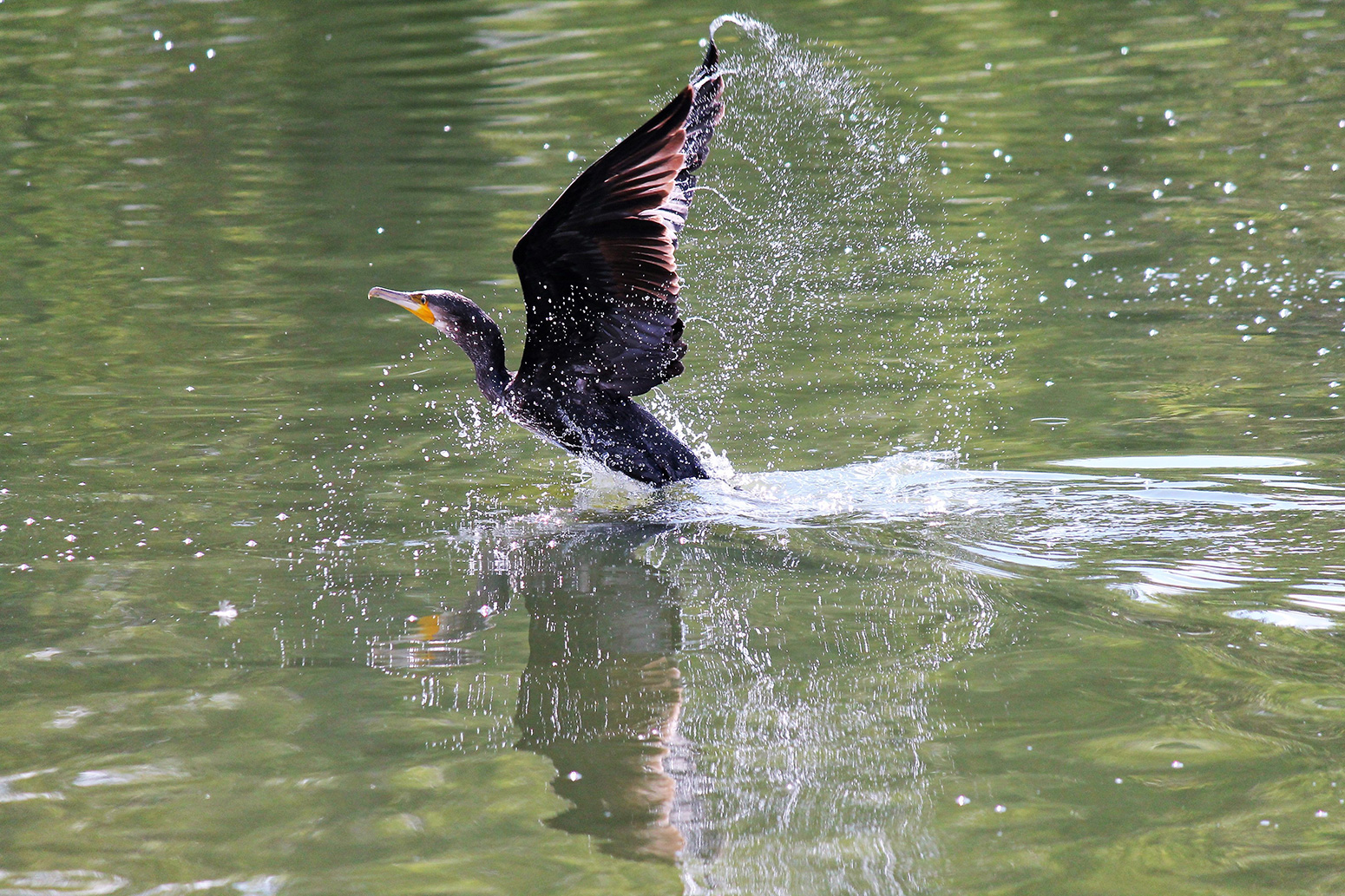
Photo: DETAVERNIER ODILE / Pexels
On 10 November 2026, the European Parliament's Committee on Fisheries (PECH) held an exchange of views with the European Commission regarding the Framework for a European Cormorant Management Plan developed by EIFAAC. At this stage, it remains a framework document rather than an adopted plan, but discussions took place on whether another attempt could be made to sit this with AEWA.
Short history of a European Management plan for Cormorant
In 1994, under the Convention on Migratory Species (CMS), recognising that the conflict between cormorants and fisheries spanned multiple countries along the birds' migratory routes, Denmark and the Netherlands were tasked with preparing a pan-European action plan. Following a series of expert meetings and consultations in 1996 and 1997, the plan was submitted to CMS in 1998. During these 1997 discussions, the cormorant subspecies Phalacrocorax carbo sinensis was removed from Annex I of the EU Birds Directive.
However, the proposed management framework failed to gain consensus, particularly over the balance between bird conservation and fisheries interests. Germany and the European Inland Fisheries Advisory Commission (EIFAC) opposed the draft, arguing that it did not sufficiently address damage to fisheries and calling for more substantial population reductions. Although several European countries subsequently applied some of the proposed management measures, the plan was never formally implemented.
In 2002, a further attempt to promote European coordination was made when the European Anglers Alliance organised a meeting in Strasbourg and called for harmonised regulations and an international management approach. A recommendation was sent to the European Commission, but no action followed, as the ORNIS Committee considered an international management plan unnecessary (Rauschmayr & Berhrens 2008).
Next, the Kindermann Report on the adoption of a European Cormorant Management Plan to minimise the increasing impact of cormorants on fish stocks, fishing, and aquaculture was adopted by the European Parliament as a non-legislative resolution on 4 December 2008.
Instead, in its formal March 2009 reply, the Commission determined that cormorant predation should be managed at the local and national levels using the flexibility provided under the EU Birds Directive. The Commission did, however, respond to the request to produce a guidance document on derogations for the Cormorant, which was effectively updated in March 2026.