
20 Nov 2026 Hunters on the Front Line: Protecting Slovakia’s Waterbirds from Invasive Alien Species
Hunters are at the centre of a Slovak project that aims to remove four invasive alien species from 13 Natura 2000 bird sites. LIFE IAS_SK, launched on 1 June 2025 and co-financed by the European Commission's LIFE Programme, sets out to protect 17 target bird species from the American mink, the raccoon, the raccoon dog and the coypu.
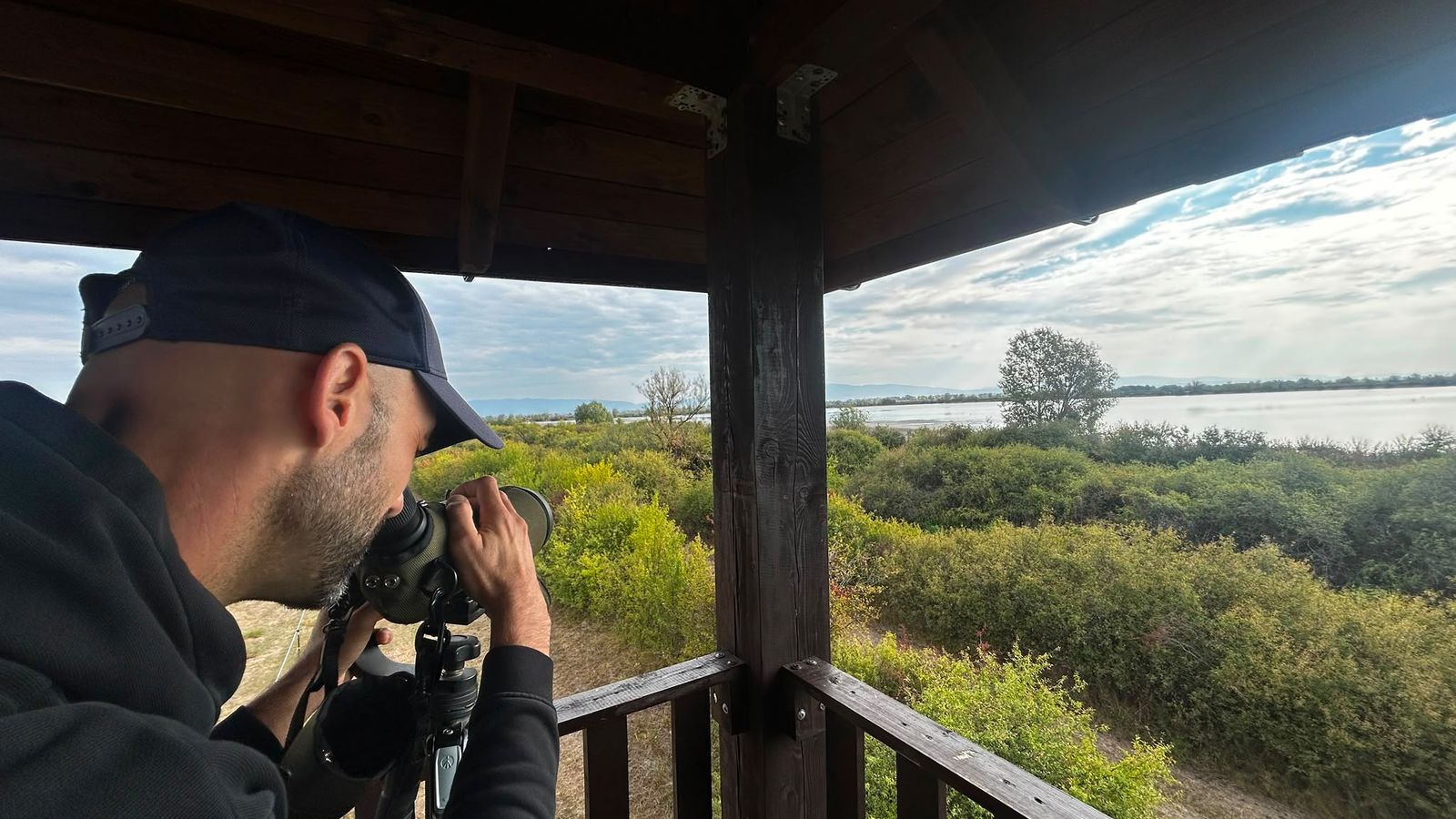
The project is run by the Slovak Ornithological Society/BirdLife Slovakia, the Slovak Hunting Chamber and the Capital City of Bratislava. Its eradication work is built on cooperation between hunters and experts, including police specialists, with the aim of setting up local eradication teams in the project areas.
Four alien species, 17 bird species
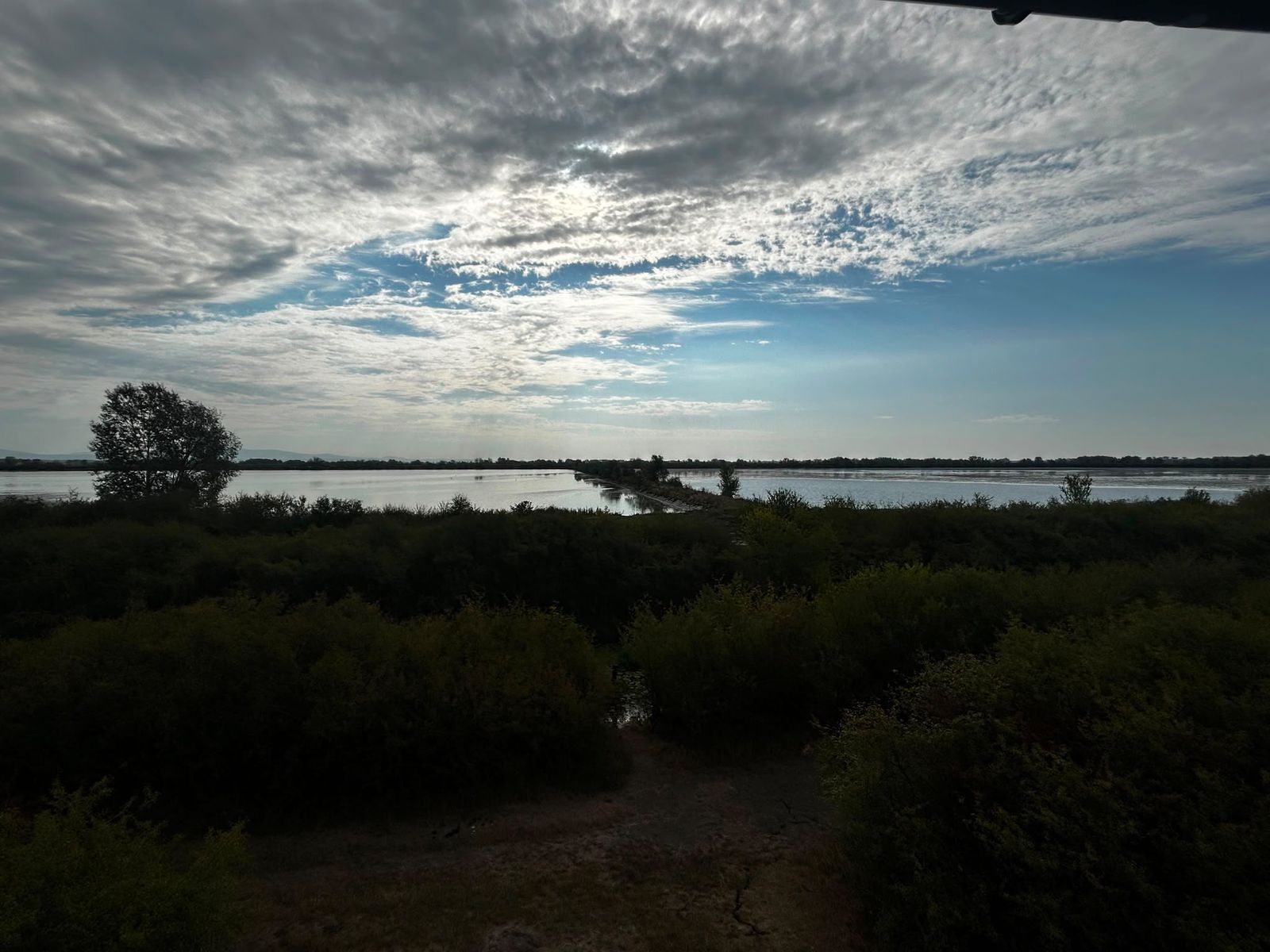
The project's wetlands and floodplains are home to rare, protected birds, and to four alien species that prey on them or degrade their habitat.
- American mink. A semi-aquatic carnivore from North America that threatens ground-nesting waterbirds and can destroy entire colonies of gulls and terns. Common Tern colonies along the Danube are especially vulnerable.
- Raccoon and raccoon dog. Both were brought to Europe for fur farming and are listed as invasive alien species of Union concern. They take eggs, chicks and other small prey, carry diseases such as rabies, and are most common in the wetlands and floodplain forests of western and southern Slovakia.
- Coypu (nutria). A large rodent native to South America. Here the concern is wetland vegetation: the project aims to protect 1,010 ha of wetland habitat with macrophyte vegetation from degradation by the coypu.
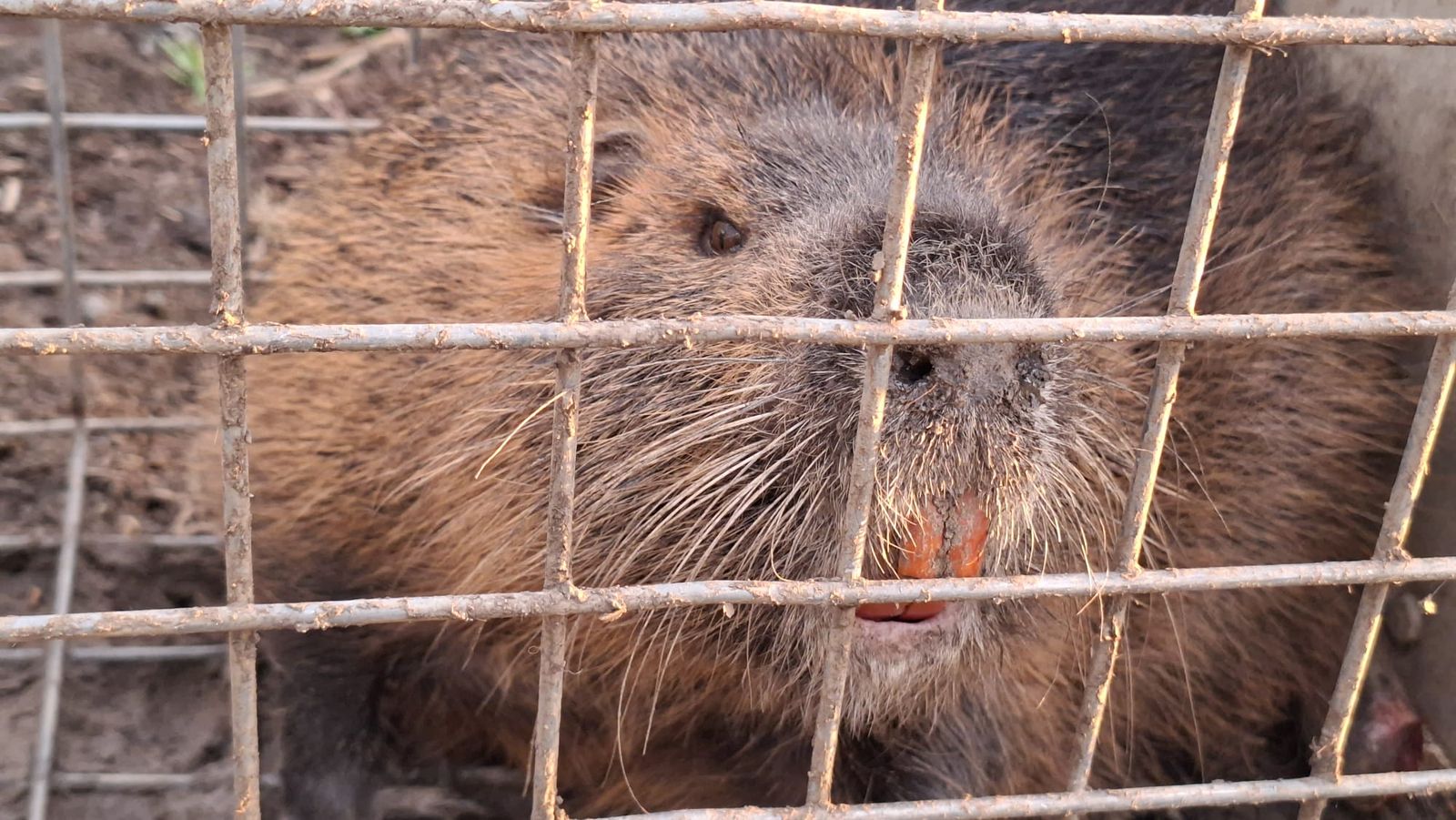
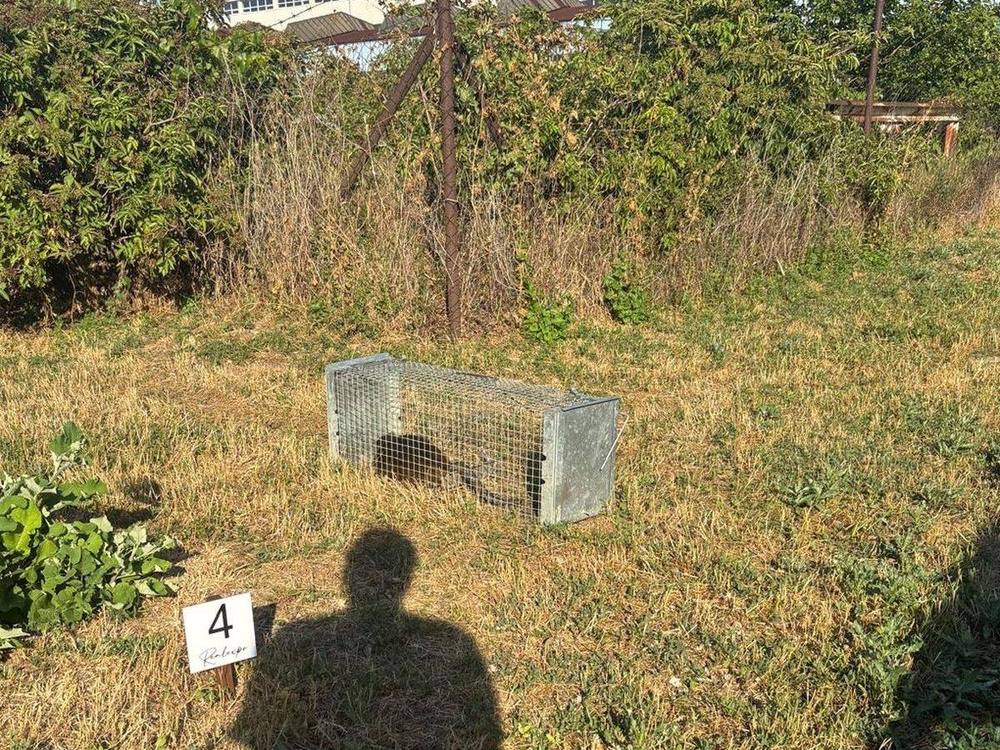
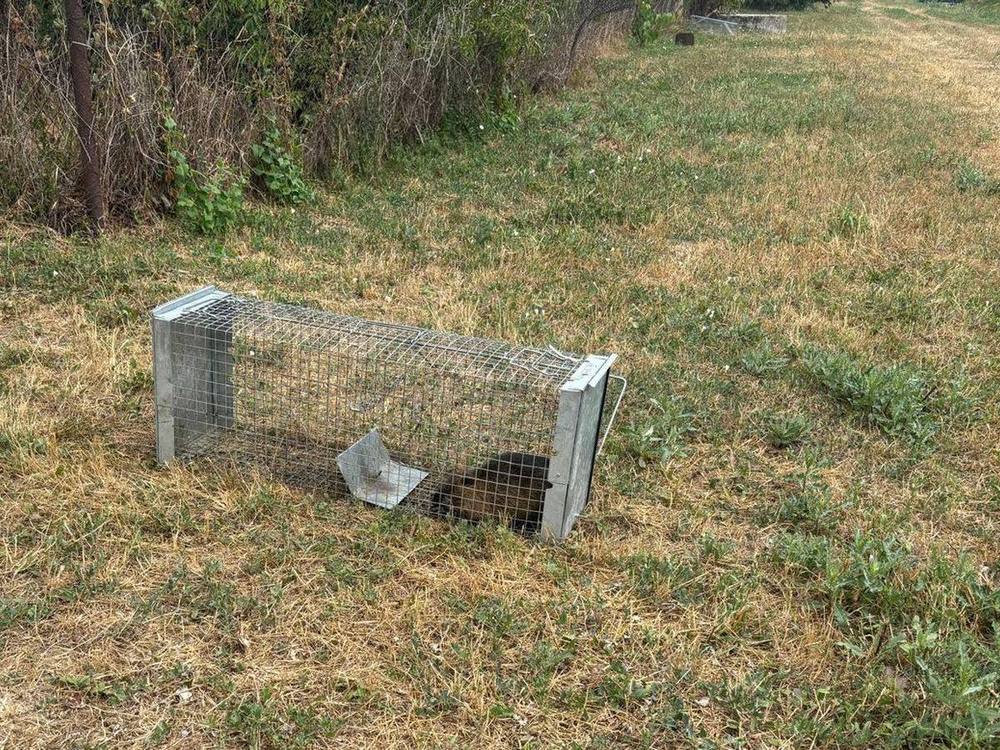
Live traps used to catch coypus in the project areas.
All 17 target bird species are qualifying species of the Natura 2000 sites: Garganey, Ferruginous Duck, Black-tailed Godwit, Common Redshank, Great Bustard, Little Egret, Mediterranean Gull, Common Tern, Little Crake, Spotted Crake, Black-crowned Night Heron, Purple Heron, Black Tern, Eurasian Bittern, Eurasian Spoonbill, Little Bittern and Red-crested Pochard.
Hunters at the heart of the partnership
Hunters are partners in LIFE IAS_SK, not just helpers. The Slovak Hunting Chamber is one of the three implementing organisations, and the project's eradication activities are designed around hunters working together with experts.
Hunters come first among those to be trained: 300 hunters, anglers, nature conservation experts and mappers are due to take part in 13 training sessions. The aim is to turn local knowledge into organised, long-term control.
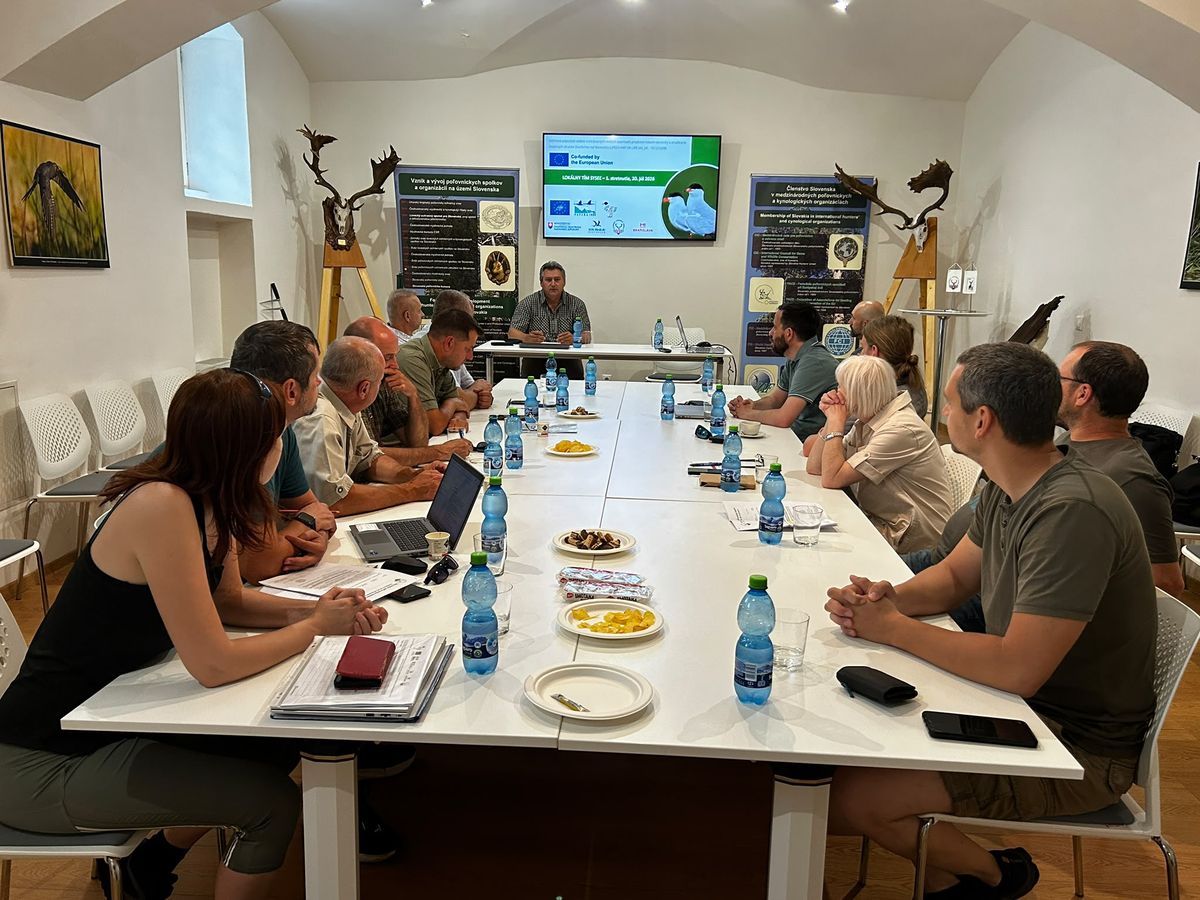
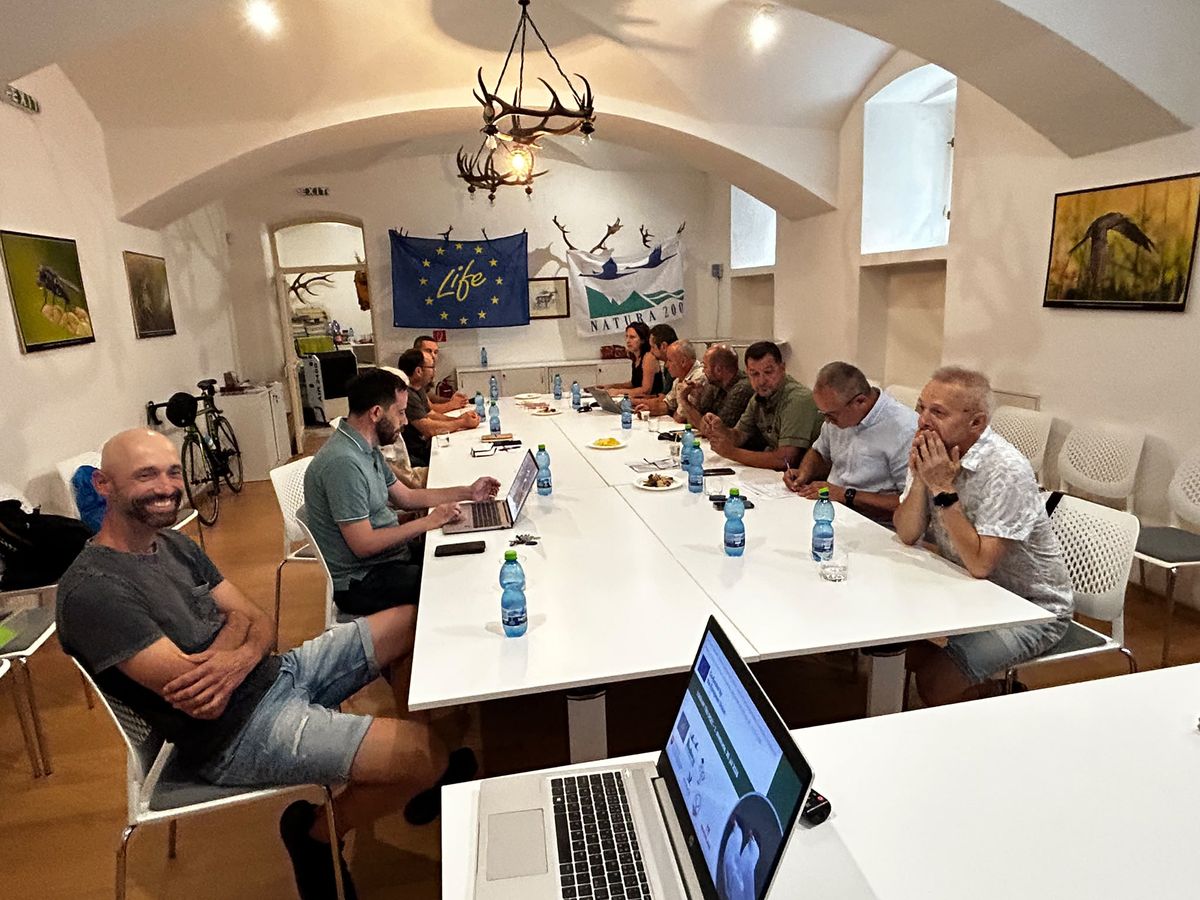
First meeting of a local team in Bratislava, 20 July 2026.
That knowledge matters. The raccoon and the raccoon dog are mostly active at night and use wetlands, floodplain forests and river corridors, habitats where local knowledge of the terrain counts for a great deal. Eradication is also not a one-off exercise: the project commits to preventing the re-establishment of these species once they have been removed, which depends on people staying active in the field.
From training to local eradication teams
The project plan runs from training, to organised local teams, to long-term control:
- 1Train the people on the ground.13 sessions · 300 people
13 training sessions for 300 hunters, anglers, nature conservation experts and mappers.
- 2Involve law enforcement.7 sessions · 120 specialists
7 training sessions for 120 police specialists in environmental crime. The raccoon and the raccoon dog are both subject to a ban on keeping, breeding and release.
- 3Reach other stakeholders.20 sessions
20 training sessions for stakeholders.
- 4Form local teams.13 local teams
13 local teams to carry out the eradication programme in the project areas.
- 5Keep the areas clear.95% target
The target is 95% eradication of the four species, together with measures to prevent their re-establishment.
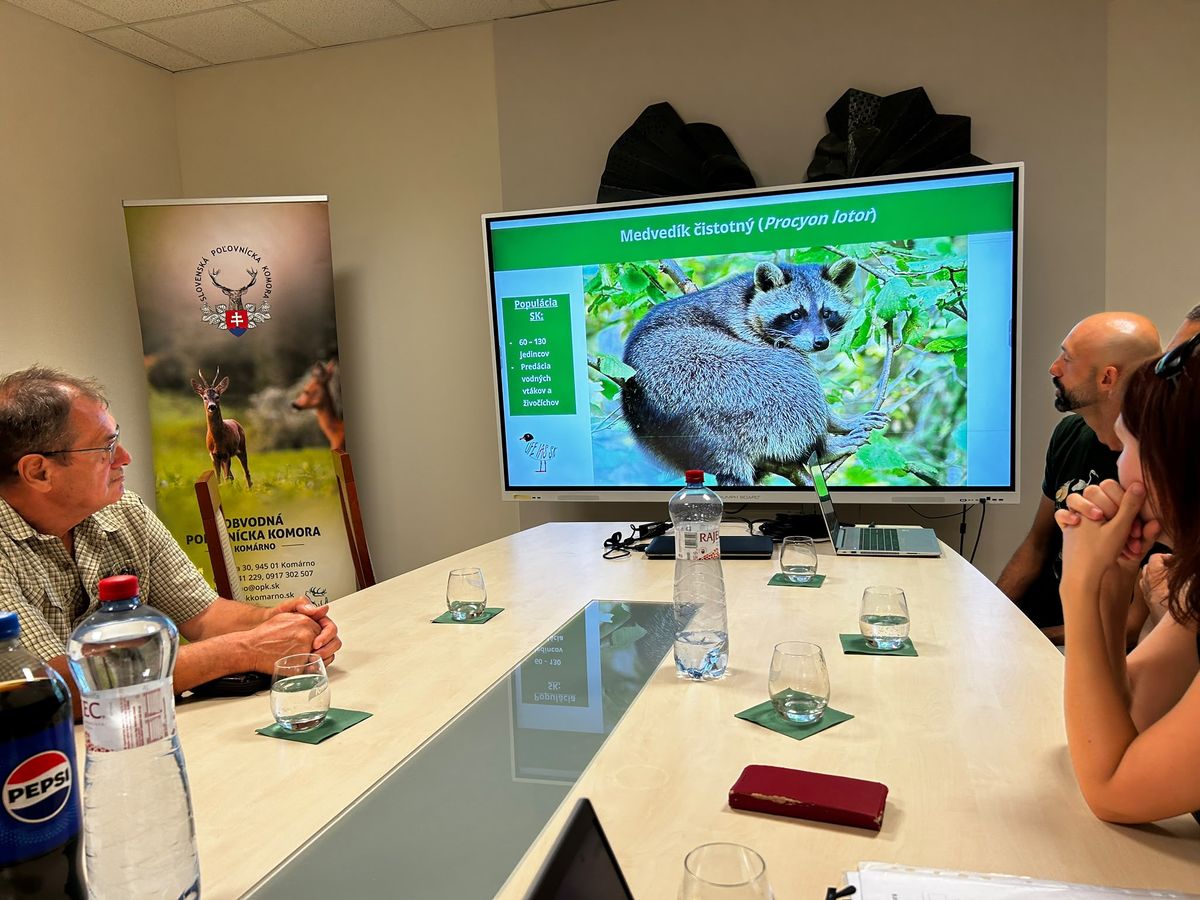
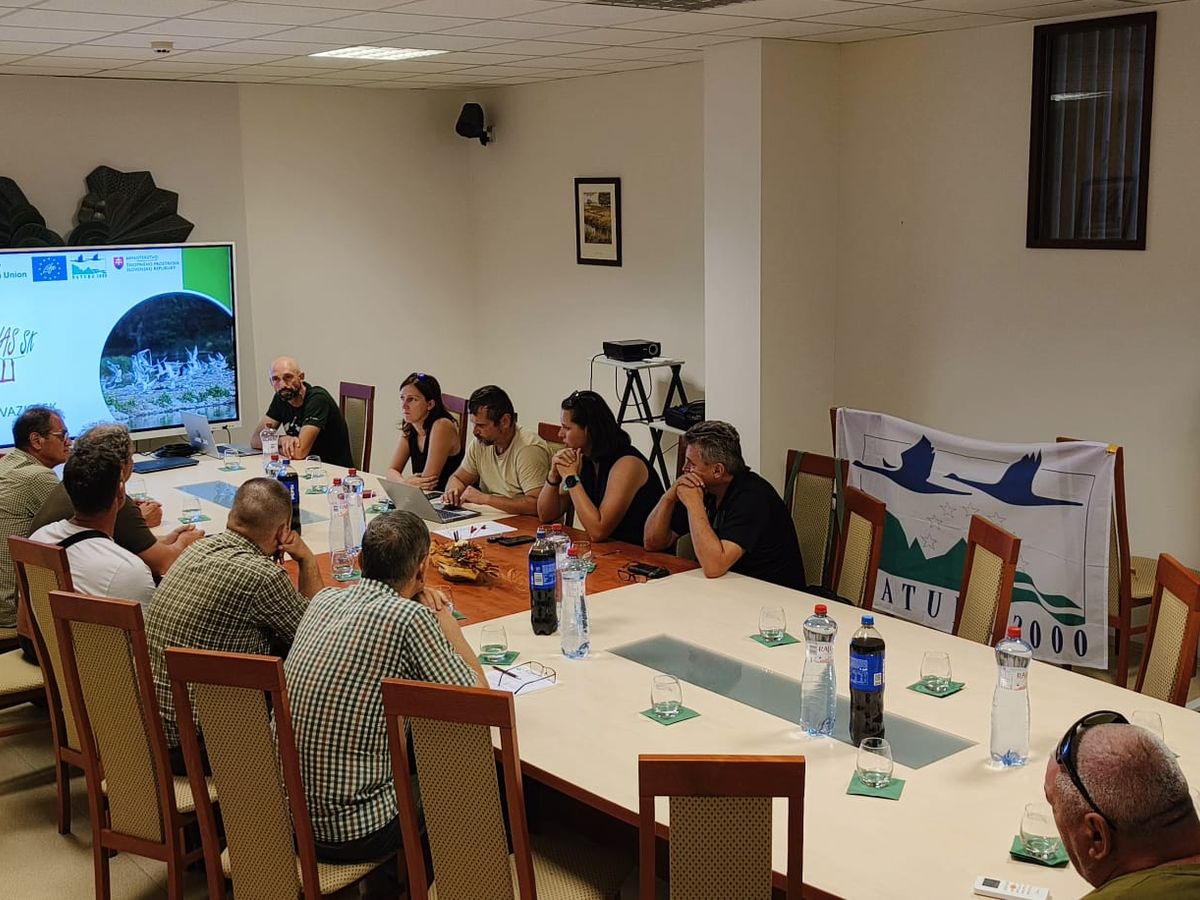
Local team meeting in Komárno, 30 July 2026.
The public can help too: the project website has a form for reporting sightings of invasive alien species.
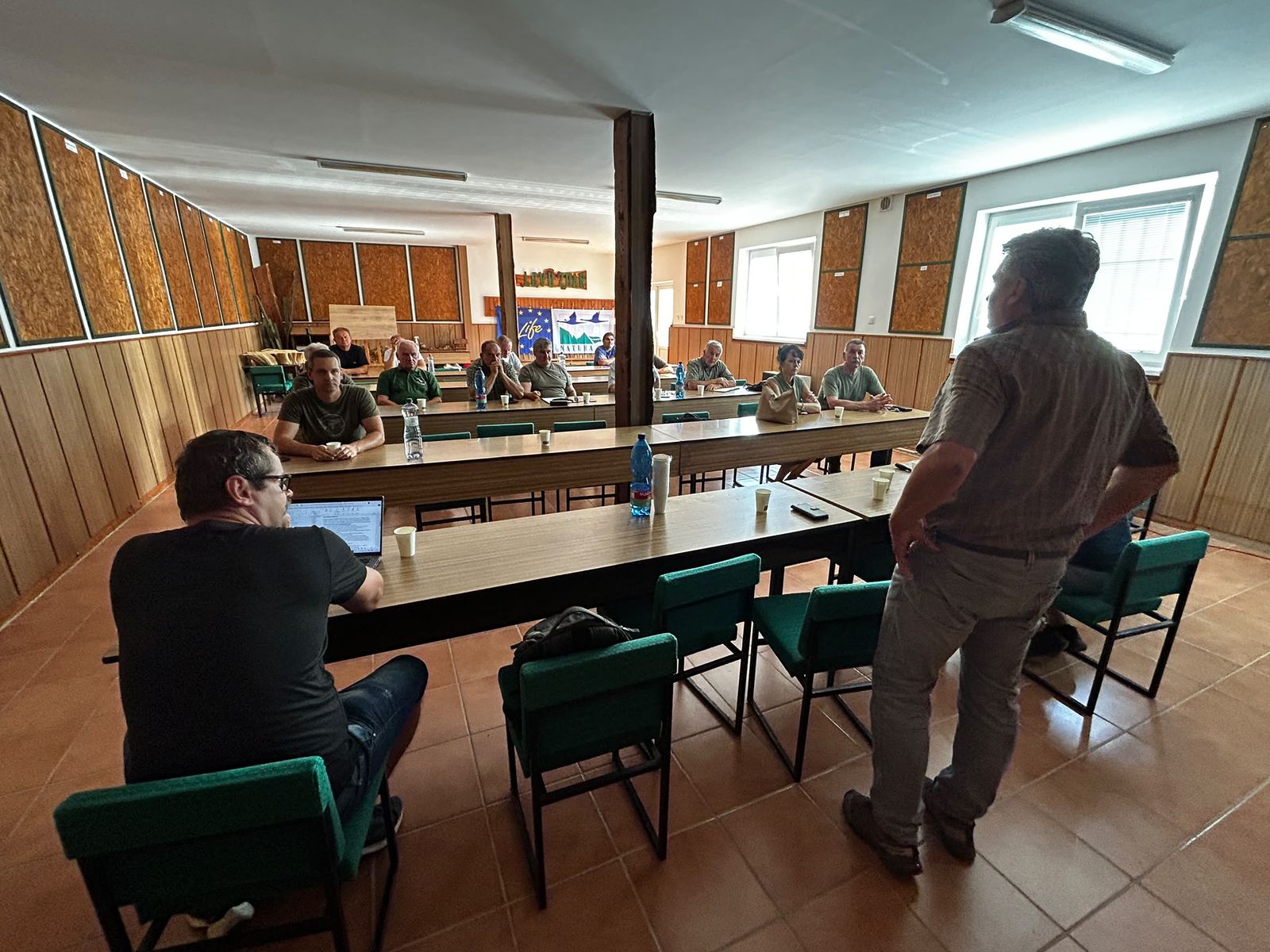
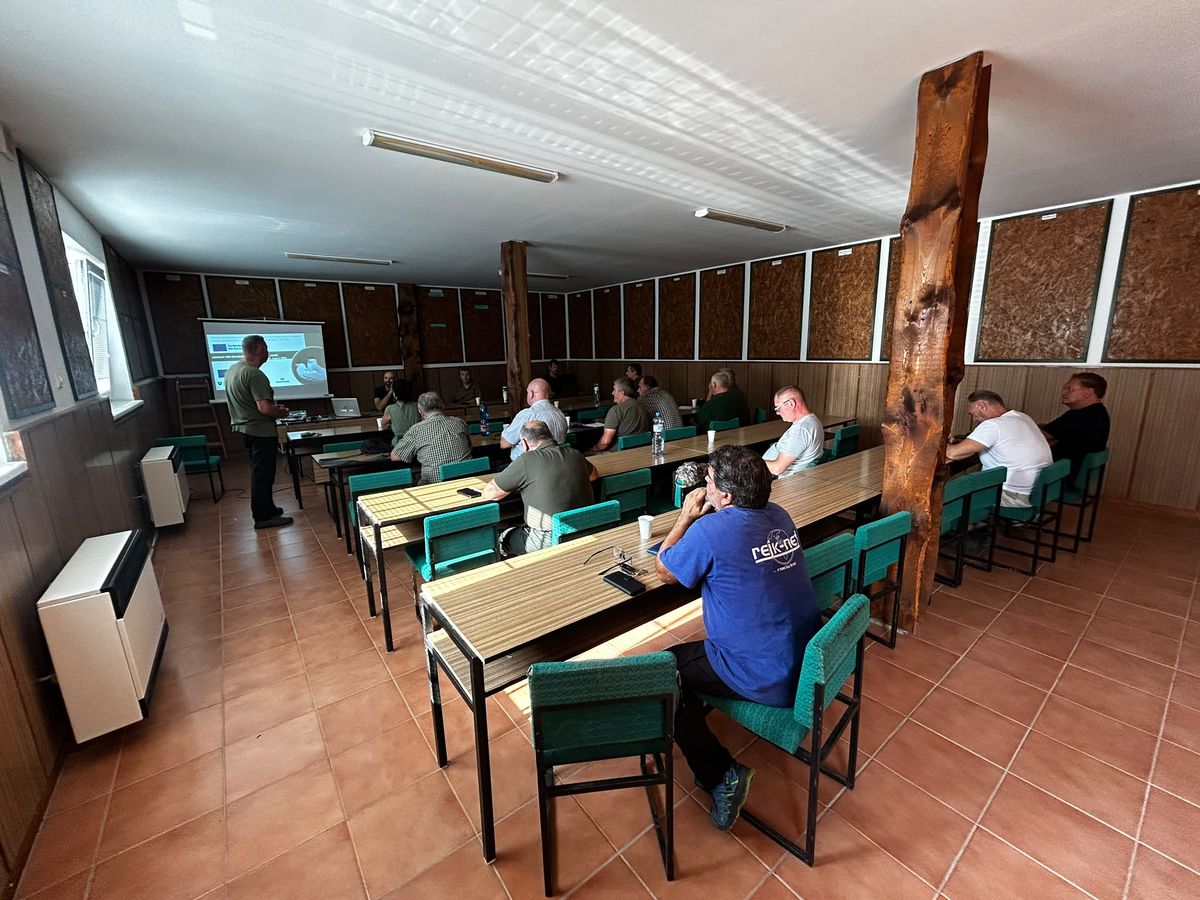
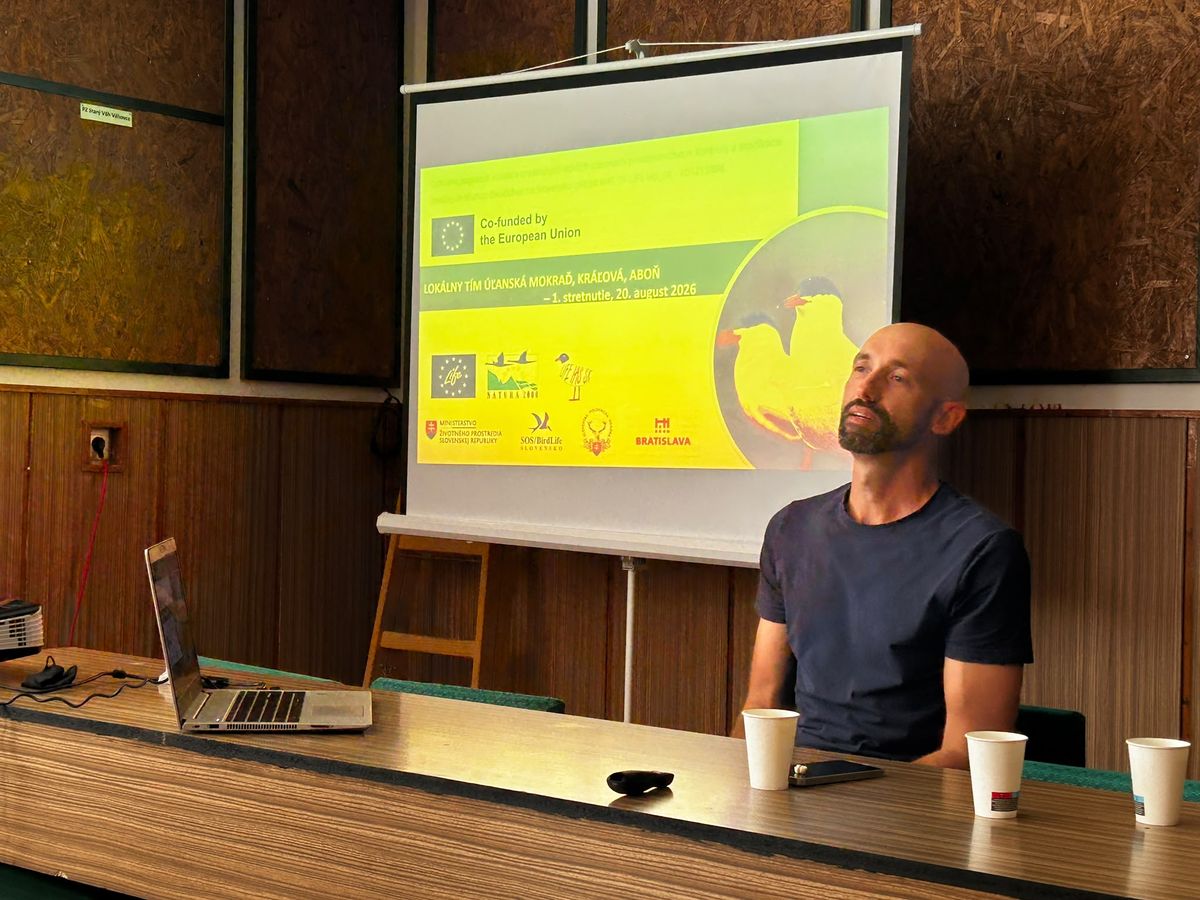
Hunters and experts at the local team meeting, 20 August 2026.
What the project aims to deliver
The project's objectives show its scale: removing an estimated 1,565 to 2,170 animals of invasive alien species from 17,200 ha of Special Protection Areas, and securing between 9,267 and 14,617 breeding pairs of birds. These are the targets set out on the project website, not results achieved so far.
Project key facts
| Country | Slovakia |
|---|---|
| Project | Protection of Bird Populations in Special Protected Areas through control and eradication of Invasive Animal Species in Slovakia (LIFE24-NAT-SK-LIFE IAS_SK, project code 101215398) |
| Location | 13 Natura 2000 Special Protection Areas: Dunajské luhy, Dubnické štrkovisko, Horná Orava, Kráľová, Medzibodrožie, Parížske močiare, Senianske rybníky, Sĺňava, Sysľovské polia, Úľanská mokraď, Veľkoblahovské rybníky, Záhorské Pomoravie, Žitavský luh |
| Start date | 1 June 2025 |
| Types of action | Control and eradication of invasive alien species; training of hunters, experts and police specialists; creation of local eradication teams |
| Habitat types | Wetlands and floodplain habitats |
| Protection status | Natura 2000 (Special Protection Areas under the Birds Directive) |
| Invasive alien species | American mink, raccoon (Procyon lotor), raccoon dog (Nyctereutes procyonoides), coypu/nutria |
| Target bird species | Garganey (Spatula querquedula), Ferruginous Duck (Aythya nyroca), Black-tailed Godwit (Limosa limosa), Common Redshank (Tringa totanus), Great Bustard (Otis tarda), Little Egret (Egretta garzetta), Mediterranean Gull (Ichthyaetus melanocephalus), Common Tern (Sterna hirundo), Little Crake (Zapornia parva), Spotted Crake (Porzana porzana), Black-crowned Night Heron (Nycticorax nycticorax), Purple Heron (Ardea purpurea), Black Tern (Chlidonias niger), Eurasian Bittern (Botaurus stellaris), Eurasian Spoonbill (Platalea leucorodia), Little Bittern (Ixobrychus minutus), Red-crested Pochard (Netta rufina) |
| Partners | Slovak Ornithological Society/BirdLife Slovakia, Slovak Hunting Chamber, Capital City of the Slovak Republic Bratislava |
| Funding | Co-financed by the European Commission under the LIFE Programme |
| Website | invazky.sk |