
05 Jun 2026 Conservation, Science and Policy: Shaping the Next Steps for the Birds Directive
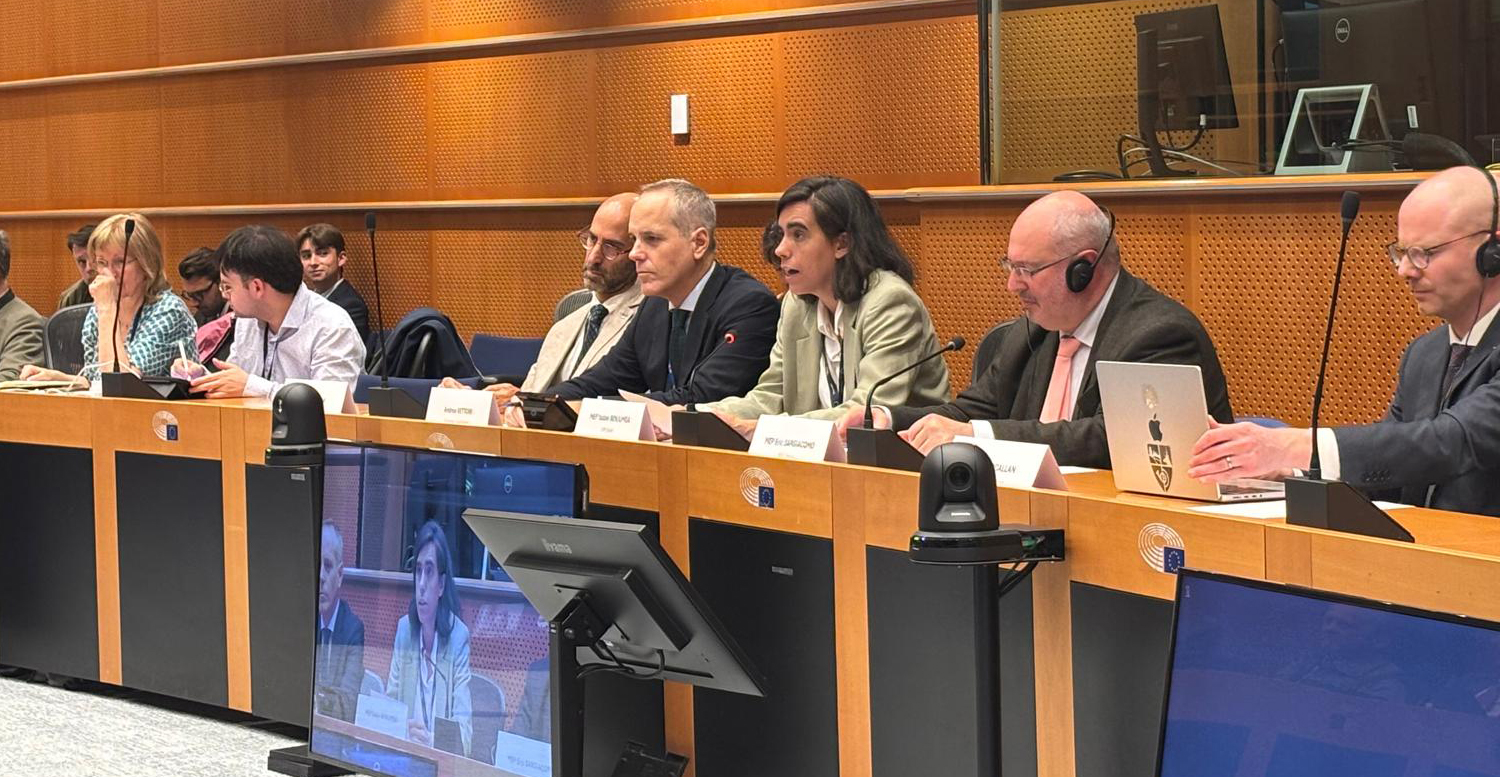
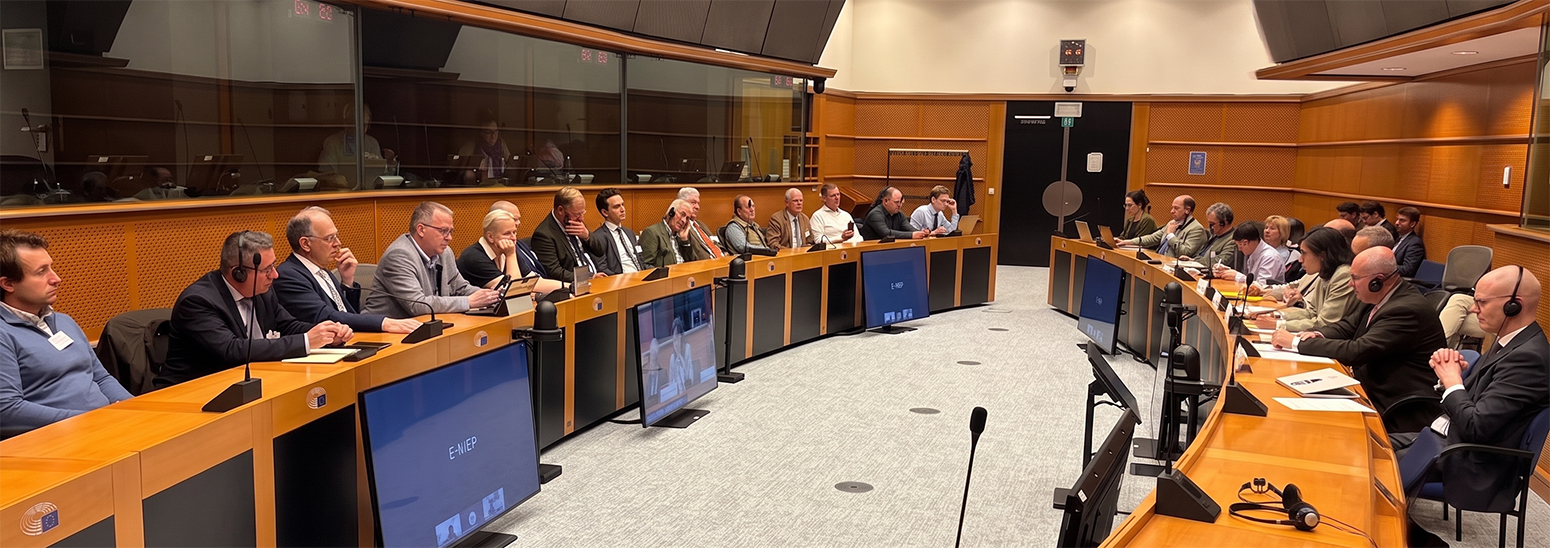
On 2 June 2026, FACE organised a high-level event in the European Parliament in Brussels entitled “Conservation, Science and Policy: Shaping the Next Steps for the Birds Directive”. The discussion brought together Members of the European Parliament, the European Commission, and key stakeholders to reflect on the implementation of EU nature legislation and on how best to support the conservation of birds and their habitats through effective delivery, sound science, and constructive cooperation.
Hosted by MEP Alex Agius Saliba (S&D, Malta), Vice-President of the “Biodiversity, Hunting, Countryside” Intergroup, the event took place with his apologies, as he was unable to attend due to the Maltese national elections. He nevertheless demonstrated his full support by hosting the discussion in the European Parliament and welcoming the strong engagement of participants.
The event was chaired by MEP Eric Sargiacomo (S&D, France) and supported by MEP Isabel Benjumea (EPP, Spain). The dialogue took place at a timely moment, in the context of the ongoing “Stress Test” of the EU Nature Directives, and the broader policy debate on how to ensure effective, efficient and workable implementation across Member States.
Participants discussed practical approaches to improving outcomes under the Birds Directive, including robust monitoring, targeted conservation measures, and strengthened cooperation among institutions, stakeholders and local actors. The exchange also highlighted the value of evidence-based sustainable use and grassroots conservation initiatives in supporting biodiversity objectives, including through habitat improvement and long-term investment in conservation delivery along migratory flyways.
Opening the discussion, MEP Eric Sargiacomo (S&D, France) underlined the importance of recognising local practices and rural heritage as part of the wider conservation context: “Traditional hunting is also part of Europe’s living rural heritage. In south-west France, for example, the traditional wood pigeon hunt, known locally as palombe, has been practised for more than 600 years in the Landes and Pyrénées-Atlantiques. It brings communities together around the migration season, a period many refer to as the ‘blue fever’, and it remains highly selective, with less than 1% of the population taken through this method. If we want to strengthen biodiversity outcomes, we need rules that work with people on the ground and recognise the role of local communities in conservation”.
Highlighting the policy relevance of the exchange, MEP Isabel Benjumea (EPP, Spain), Vice-President of the “Biodiversity, Hunting, Countryside” Intergroup, stated: “This event is an opportunity to reflect on how we continue strengthening bird conservation in Europe through effective implementation involving key stakeholders, sound science and practical policy solutions.”
From an EU implementation perspective, the European Commission recalled the value of the Birds Directive as a science-based framework and the importance of stakeholder input on practical delivery. Andrea Vettori, Head of Unit for Nature Conservation in DG Environment, emphasised: “The Birds Directive works because it sets a clear framework for conservation and it is supported by a broad community of actors who care about Europe’s birds and habitats. It works because it is grounded in science, provides flexibilities, creates partnerships and allows for sustainable hunting. But it is nevertheless good to reflect on whether there are opportunities to achieve its conservation outcomes in a more cost-efficient way. This is why during the stress test we seek the inputs from all stakeholders on what works well, where there may be unnecessary complexity, and whether there are ways to improve delivery on the ground through simplification.”
Turning to concrete examples of action on the ground, Carlos Sánchez, Fundación Artemisan (Spain), highlighted how hunters and hunting organisations contribute to monitoring and habitat management, including in the context of adaptive harvest management for relevant species: “Hunters are proving to be key stakeholders for the conservation of birds all over Europe. Research conducted in Spain is showing how they can provide monitoring data and conduct habitat management targeting species such as the common quail, the European turtle dove and the red-legged partridge, which is crucial in the current context of adaptive harvest management. Hunters are turning their passion into actions, moving from words to birds.”
The discussion also benefited from civil society perspectives on the achievements and future challenges for EU bird conservation. Ariel Brunner, Regional Director of BirdLife Europe and Central Asia, stated: “The Birds Directive has been a roaring success in terms of conservation. It has brought back species like the Spanish imperial eagle on the edge of extinction and made once rare species like peregrine falcons and great egrets a common sight even within our major cities. It represents an acceptable societal compromise around hunting and management of wild species- emotional topics that are all too often subject to polarising debates that easily turn from science to ideology. Today the Directive is once again under attack by those who would like to have a free hand in destroying nature. The hunting community must stand up against those attempts. And we need to focus on a shared agenda- rapid and good implementation of the EU Nature Restoration Law. This is the best chance we have to bring back small game to our countryside and to give hope to the wetlands, without which there can be no waterfowl.”
Finally, the exchange highlighted the international dimension of migratory bird conservation and the value of habitat-focused investment. Gia Paola, Ducks Unlimited Canada, said: “Migratory birds know no borders—they connect our countries and continents as one shared natural heritage. We are proud to be part of a continental effort to support migratory birds through habitat conservation and restoration. These efforts show how public and private investment paired with a science-led approach to prioritization and program development can lead to positive conservation outcomes. The State of The Birds report demonstrates that while the majority of bird species are declining in North America’s flyways, wetland dependent species remain healthy. This is good news not only for birds, but for the thousands of other species that rely on wetlands, and the communities that receive benefits like recreational opportunities, water quality improvements, climate mitigation and resilience.”
The event was well attended, including by the FACE President, Laurens Hoedemaker, and the FACE Board Members representing 7 million European hunters. The discussion benefited from active engagement and interventions, including from Nicolas Rivet, Director General of the French National Hunters’ Federation (Fédération Nationale des Chasseurs FNC) and Vice-President of FACE, who discussed the need to protect traditional hunting activities in France, as well as the important role of local action in supporting conservation objectives, aligned with science and effective implementation.
FACE will continue to engage constructively with EU institutions and stakeholders to support the effective implementation of the Birds Directive and wider EU nature legislation. FACE underlines the importance of science-based, proportionate and workable approaches that strengthen conservation outcomes and improve delivery on the ground through cooperation across Member States and stakeholders.