


28 Apr 2026 New Rules on Dog Welfare: What Hunters Need to Know
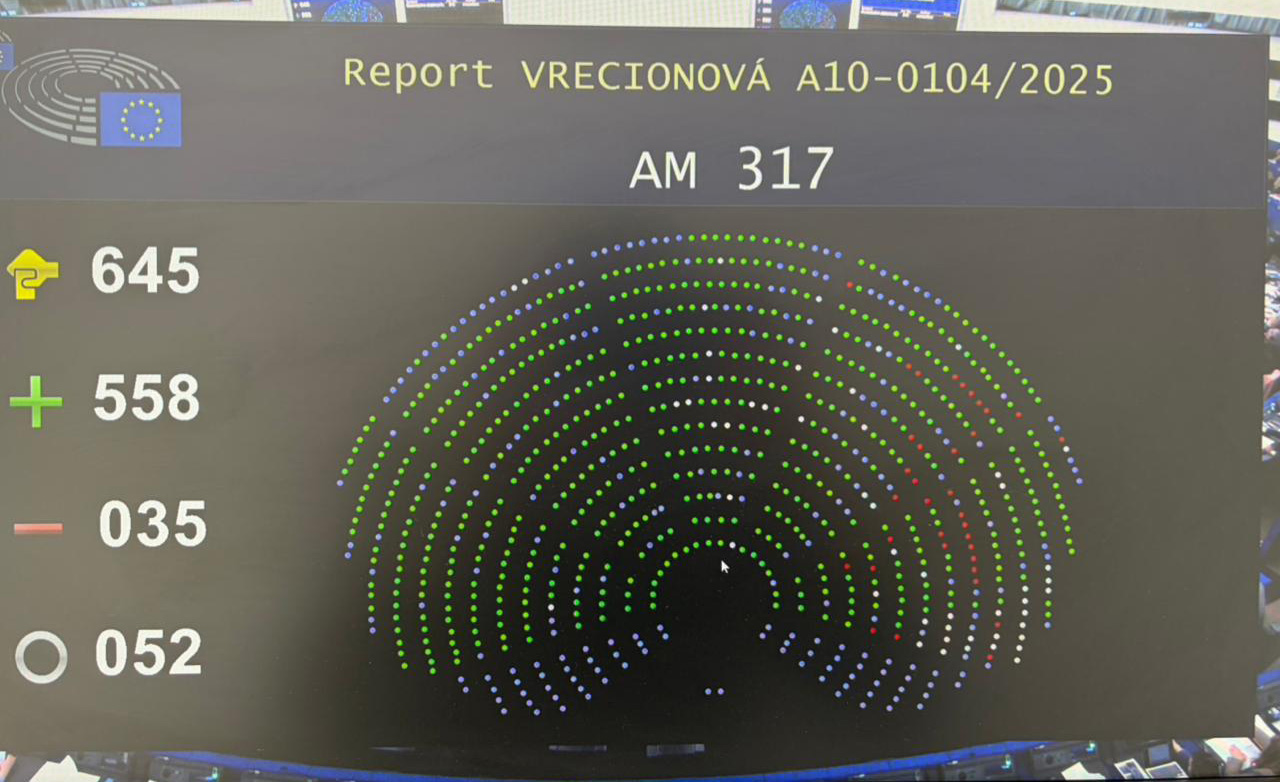
On 28 April, the European Parliament voted in favour of a new EU Regulation on the welfare of dogs and cats and their traceability. The text was approved by a majority of Members of the European Parliament (MEPs). This marks the final step of a long negotiation process involving the European Commission, the Member States, and the European Parliament.
A key objective of this law is to crack down on illegal and poor commercial dog breeding practices. In doing so, this new Regulation establishes harmonised rules for dog breeders, as well as foster homes and selling establishments that place animals on the market. Hunters, who sometimes breed dogs, may also fall under the Regulation if those dogs are placed on the market. Importantly, the law maintains a distinction between small breeders (up to two litters per calendar year) and breeders (more than two litters per calendar year).
FACE engaged with policymakers throughout the decision-making process to help ensure a balanced and proportionate text that safeguards animal welfare without imposing excessive burdens on private dog owners.
Key elements
Identification and registration
All dogs and cats, whether they are in a shop, a shelter, or a private home, must be microchipped and registered. Most European countries already require this for dogs.
Placing on the market
The final text clearly excludes infrequent and irregular donations from the definition of “placing on the market” (i.e. sale, offering for sale, distribution, or any other form of transfer of ownership). This is key to ensuring that non-commercial, occasional activities remain outside the scope of the Regulation. This was an important request from FACE.
Welfare obligations for small breeders
The text maintains a distinction between small breeders (up to two litters per calendar year) and breeders (more than two litters per calendar year). While small breeders are subject to lighter requirements, they are nevertheless required to comply with a set of minimum animal welfare obligations. These obligations apply to all breeders and to dog owners who breed, sell, or donate dogs, regardless of the scale of activity.
A number of activities are prohibited, including the use of “electric current”. In many European countries, e-collars are used on hunting dogs to protect them from dangerous situations whilst hunting, for example by preventing road traffic accidents or livestock incidents. This new law will not affect the use of e-collars on dogs that are not placed on the market.
Tail docking
The text includes a positive provision confirming that tail docking may be carried out for prophylactic reasons where necessary to preserve the health of the dog, in line with national legislation. This is another important point requested by FACE to ensure that unnecessary suffering can be prevented for dogs that work in thick vegetation and are at risk of tail damage.
Lighting and temperature requirements
The final text replaces the reference to darkness with a requirement of eight hours without artificial light and removes specific indoor temperature thresholds for adult dogs, adopting an approach better suited to the diverse climate and geographical conditions across Member States.
The Regulation will enter into force on the twentieth day following its publication in the Official Journal and will apply after two years. Longer implementation timelines are foreseen for specific articles.
Commenting on the adoption, FACE President, Dr Laurens Hoedemaker said: “The welfare of hunting dogs is a priority for 7 million hunters. When applying the rules, it is essential that national authorities are mindful of the distinction between dogs that are placed on the market and those kept as private pets, to avoid unintended regulatory burdens for private dog owners.”