
28 Apr 2026 New EU Rules on Animal Transport: Challenges and Perspectives – European Parliament, 21 April 2026
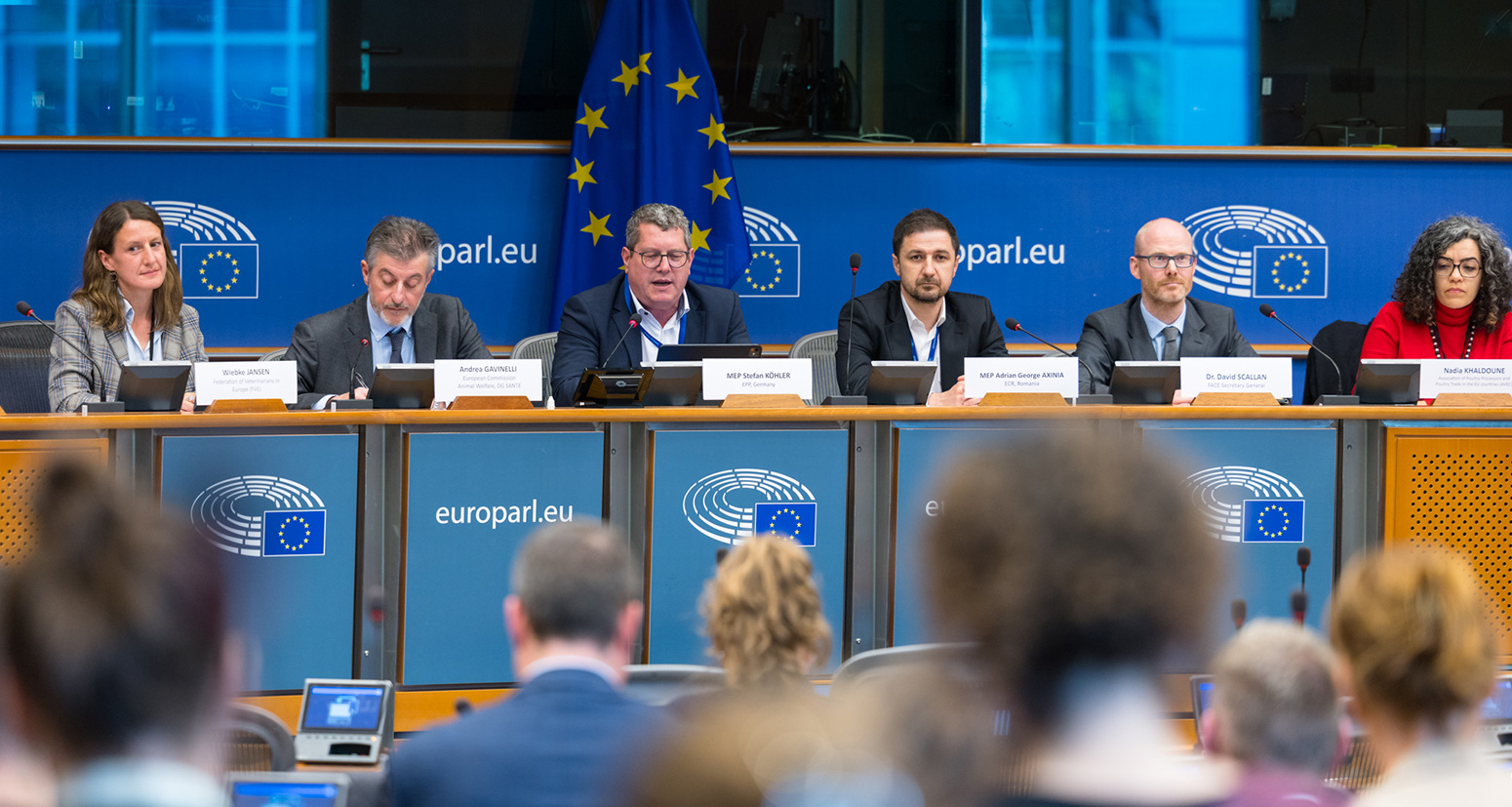
On 21 April 2026, the event “Revising EU rules on the transport of animals: challenges and perspectives”, hosted by MEP Stefan Koehler (EPP, Germany), brought together EU policymakers, experts and stakeholders in the European Parliament to discuss the latest developments on this file.
The European Commission’s proposal aims to update existing legislation by strengthening animal welfare standards, improving enforcement and adapting transport conditions to evolving scientific knowledge and societal expectations. However, animal transport remains a sensitive and widely debated issue at the EU level and has attracted renewed political attention amid growing public concern and calls for reform.
The discussion focused on how to ensure high animal welfare standards while maintaining the viability and competitiveness of the European livestock sector. Speakers also underlined the importance of legal clarity on the scope of the proposed regulation, including to avoid unintended impacts on activities that are not commercial in nature.
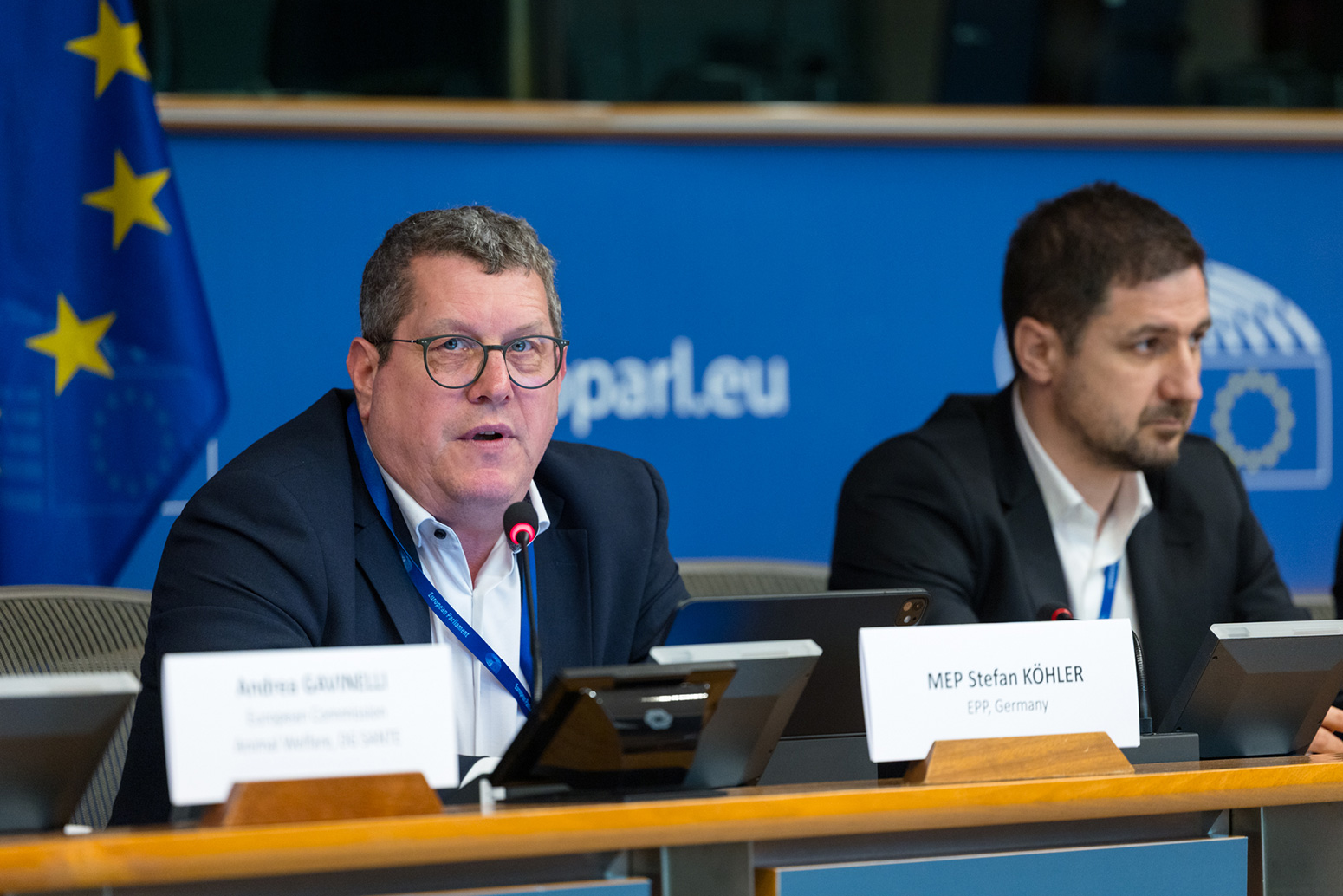
Opening the event, MEP Stefan Koehler (EPP, Germany) said that: “Farmers and livestock operators need workable and proportionate rules that safeguard animal welfare while preserving the viability and competitiveness of the European livestock sector. As the EU moves to modernise its animal welfare legislation, including animal transport, reforms must be science based and reflect the practical realities of livestock production, without undermining farmers’ economic sustainability or EU competitiveness. At the same time, legal clarity on the scope of the regulation is essential. For example, it is essential that small-scale, largely voluntary activities carried out by hunters and dog handlers are not misclassified as “economic” under the Commission’s proposal, as this would lead to disproportionate administrative burdens and costs without clear animal welfare benefits”.
MEP Daniel Buda (EPP, Romania), Rapporteur in AGRI Committee in the European Parliament, intervene with a video message. He commented on the economic importance of the sector: “The transport of live animals must continue within the European Union and towards third countries. Our farmers across the entire Union depend on this transport. While we are all concerned with ensuring an indisputable quality of welfare during transport, we must understand that the European Commission’s current proposal cannot be accepted in its current form. It contains numerous problematic issues that threaten the very viability of the zootechnical sector, which is a key pillar of our agricultural economy and rural livelihoods.”
MEP Adrian George AXINIA (ECR, Romania), Shadow rapporteur in TRAN Committee, said: “As ECR shadow rapporteur for the TRAN Committee I have in a way engaged in a form of damage control on this new proposal. Legislation that complicates matters and imposes additional financial burdens is not good legislation—and this proposal does precisely that. The requirement for a veterinarian to be present at every loading operation, the reduction in transport times combined with increased space allowances, and the temperature-related restrictions all add layers of complexity, particularly at a time when the EU is already facing a shortage of 500,000 drivers. […] along with other colleagues involved in this file, I believe that the priority must be better enforcement of Regulation 1/2005, complemented by targeted, proportionate and evidence-based improvements. We will resume the official meetings on this file in May. Our objective must remain very clear: to build a framework that genuinely improves animal welfare, without ignoring the logistical, economic and territorial realities of the European Union.”
Presenting the proposal of the European Commission, Andrea Gavinelli, Head of Unit for Animal Welfare, Directorate-General for Health and Food Safety (DG SANTE), underlined that “Better enforcement requires clearer, modernized rules. We aim to create a level playing field that protects both animal welfare and the economic resilience of the sectors involved. We look forward to a fruitful cooperation with the Parliament to deliver a mandate that supports both our farmers and our values.”
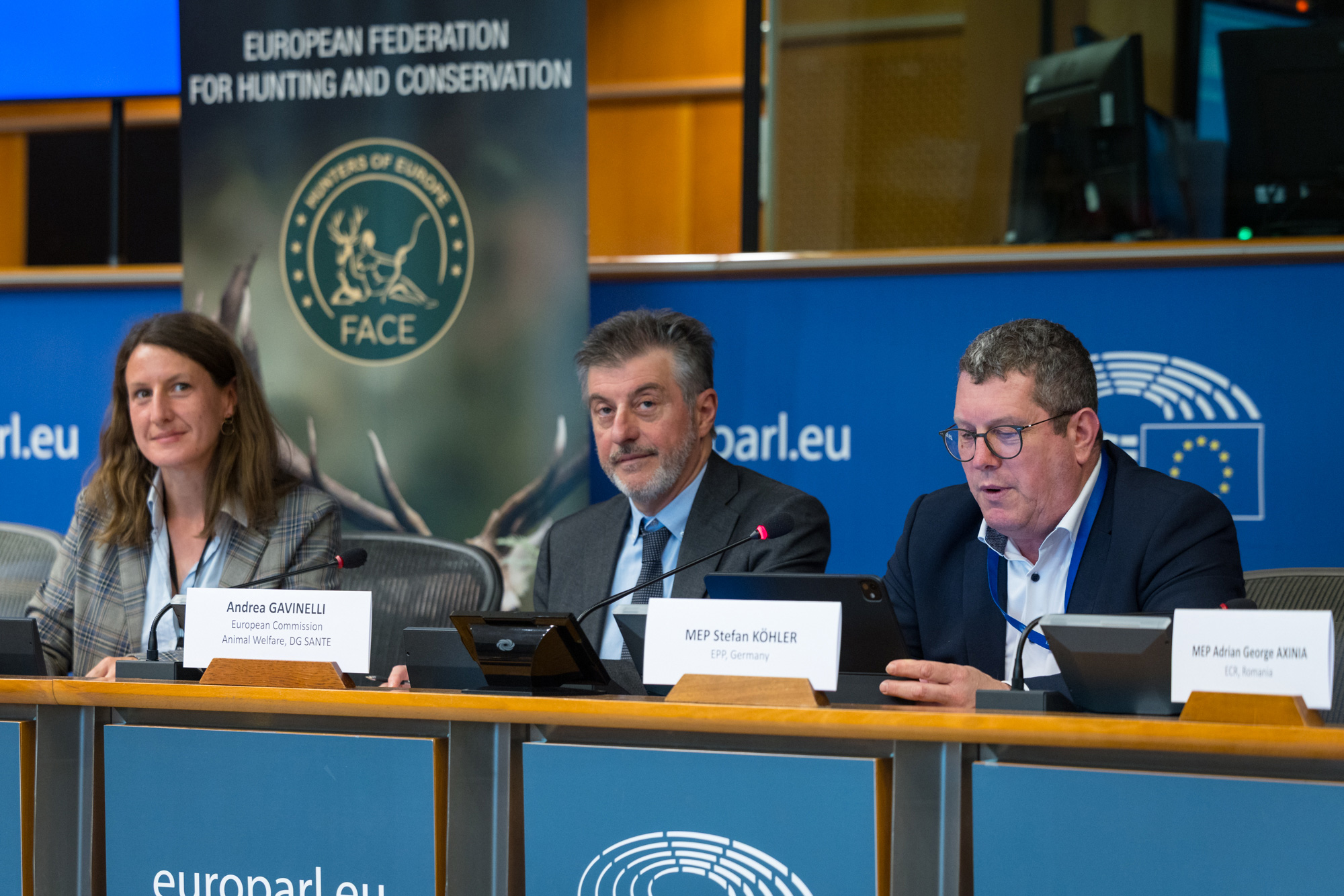
Wiebke Jansen, Policy Lead at the Federation of Veterinarians of Europe (FVE), stated: “This convergence of science and on‑the‑ground veterinary experience is why the proposal was considered not only justified by FVE, but necessary. FVE its members therefore supported the legislative process for a new proposal to introduce clear, species‑specific and enforceable standards as well as a risk-based approach for the supervision of loading that targets higher-risk scenarios, such as vulnerable animal categories, long-distance and cross-border journeys, exports to third countries, and transport operations with a history of non-compliance.”
Adam Drosio, Vice Chair of the Working Party on Animal Health and Welfare at Copa-Cogeca, said that: “Copa-Cogeca supports strong animal welfare, but not at the cost of unworkable rules that threaten the survival of European livestock producers. Before adding new obligations, we should ensure consistent enforcement of the 2005 Regulation and invest in training and guidance for authorities and operators. A more flexible, risk-based approach is needed, one that recognises regional diversity and real transport conditions, while ensuring imports meet EU-level requirements. Only then will this revision be a true step forward, not a missed opportunity.”
Nadia Khaldoune, Senior Policy Advisor at the Association of Poultry Processors and Poultry Trade in the EU countries (AVEC) added: “Europe’s poultry sector supports a revision of the animal-welfare rules during transport, but the rules must be practical, science-based and enforceable. For poultry, providing more space or extra headroom in crates has been shown to increase movement, injuries and mortality, while also multiplying trucks, costs and emissions. We therefore call for keeping current, proven container density and height rules, excluding loading/unloading from “journey time”, and avoiding feed and water obligations during transport, which conflict with essential pre-slaughter withdrawal. Real progress will come through output-based welfare indicators, husbandry management, operators training, new technologies, digitalisation and achievable incentives.”
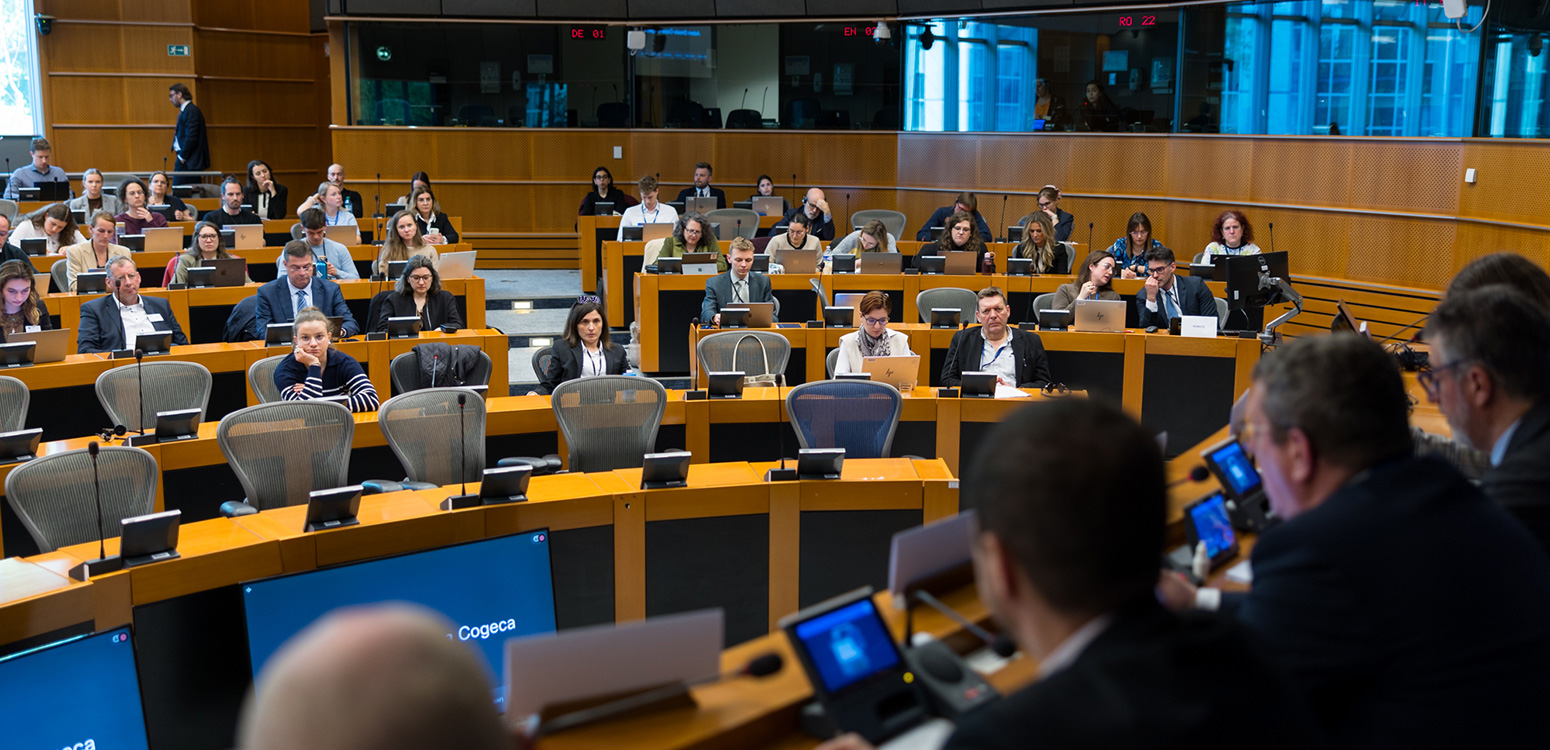
The event included a dedicated question and answer session, moderated by Dr. David Scallan, FACE Secretary General, with interventions from Members of the European Parliament Maria Noichl (S&D, Germany) and Tilly Metz (Greens/EFA, Luxembourg), and other stakeholders. It was also live streamed, with high remote attendance.
The event was organised in conjunction with the European Federation for Hunting and Conservation (FACE) and the European Landowners’ Organisation (ELO), which act as co-secretariat to the European Parliament’s Intergroup on “Biodiversity, Hunting, Countryside”.
📹 View the video recording of the meeting at this link.