
01 Oct 2026 The Stress Test of the Nature Directives: Next steps for wildlife conservation and management in Europe
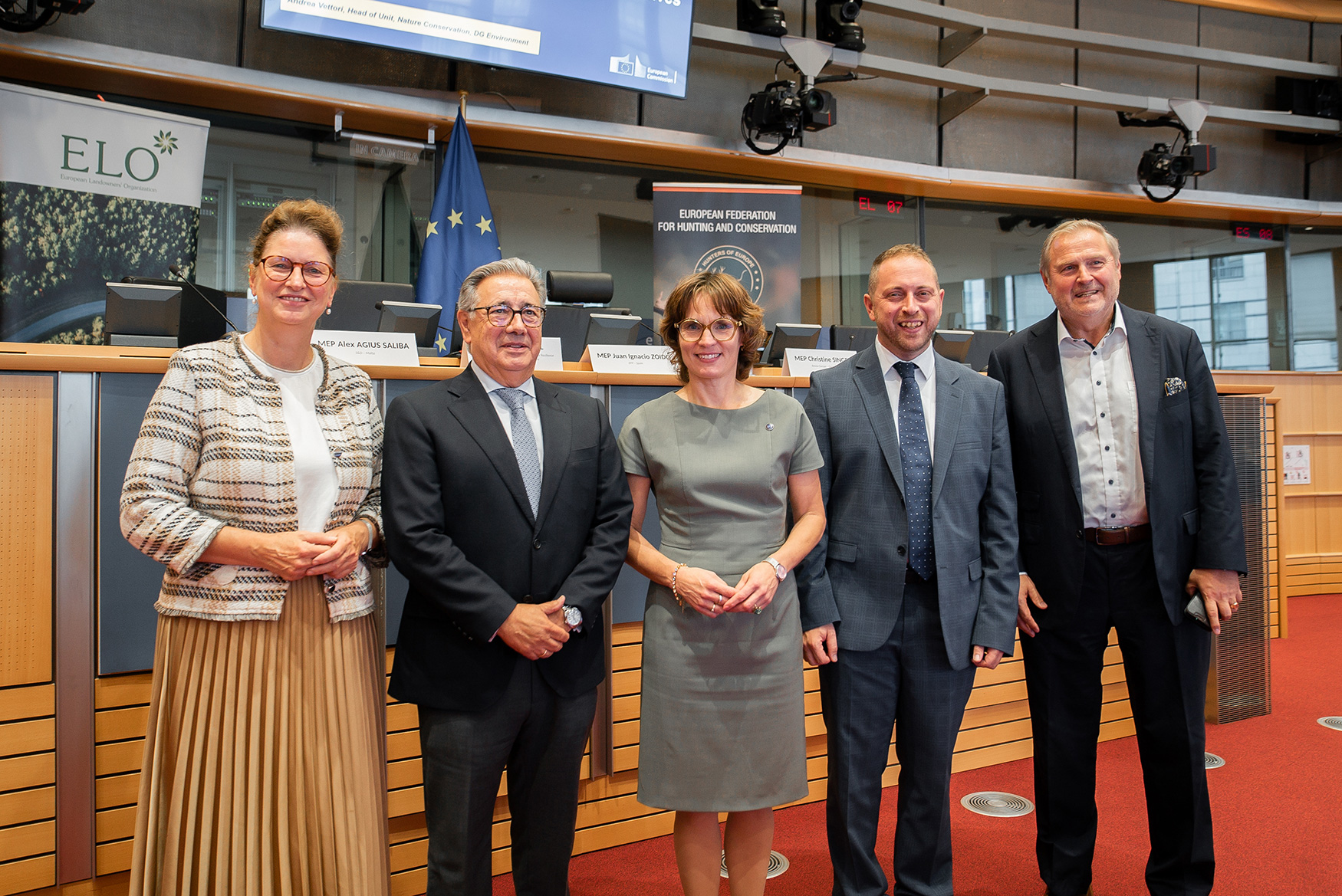
MEP Juan Ignacio Zoido (EPP, Spain) hosted the debate in the European Parliament on 29 September, co-organised by the European Federation for Hunting and Conservation (FACE) and the European Landowners’ Organization (ELO). The ninety-minute discussion brought together MEPs, European Commission representatives, protected-area managers, regional authorities and national hunting and landowning associations to explore how Europe’s nature directives can deliver better results on the ground.
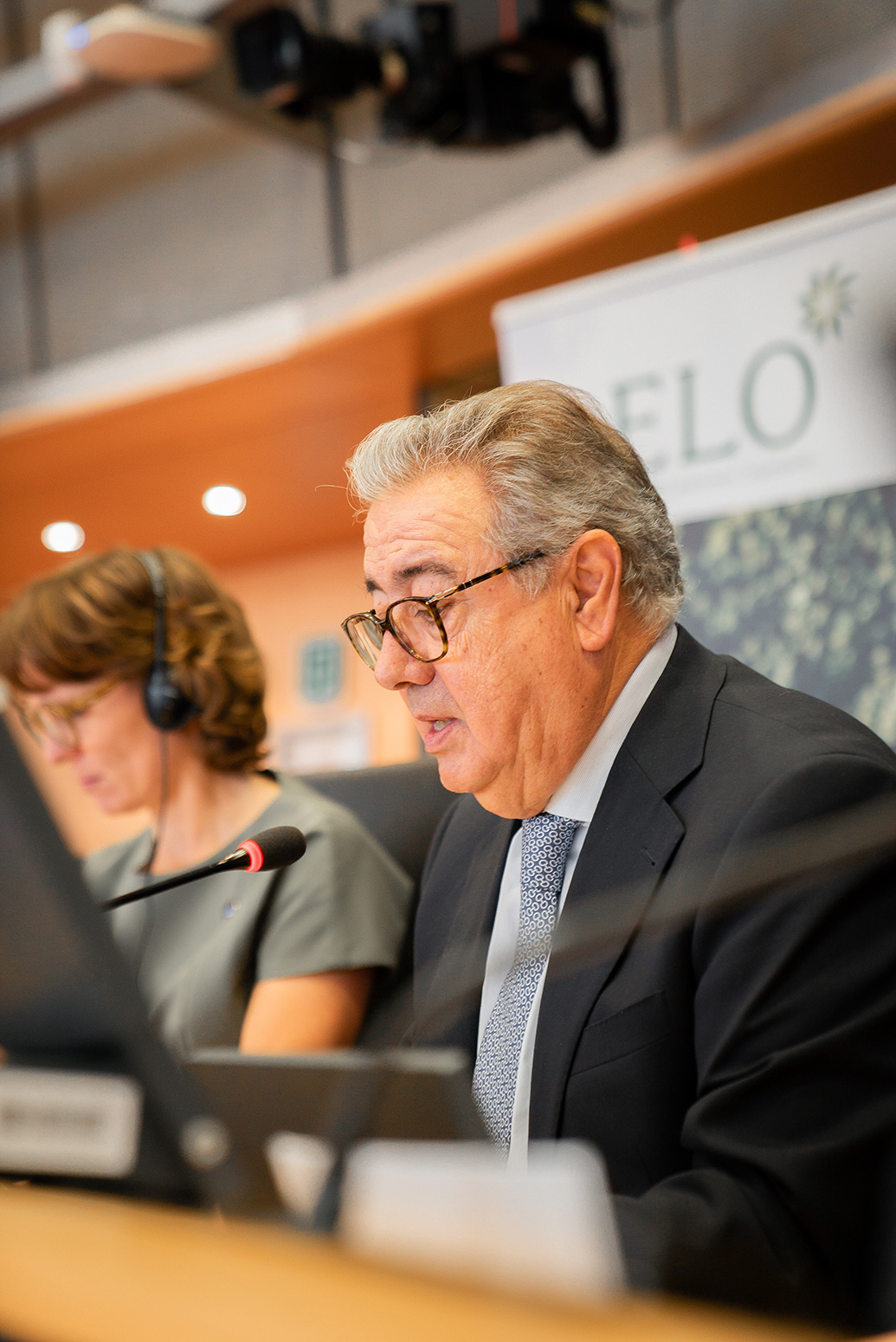
Opening the event, which he also chaired and closed, MEP Zoido, President of the “Biodiversity Hunting Countryside” Intergroup, reached for an example from his own country: “Twenty years ago the Iberian lynx was on the brink of extinction; today there are more than 2,600, and many of them live on private estates, a good number of them hunting grounds. That recovery took place under the Habitats Directive, but it happened because authorities, scientists, conservation organisations, landowners and hunters worked together for years. That is the lesson for this stress test: European rules deliver when the people who live and work in the countryside are part of them. From the European Parliament we will follow the process closely, so that rural communities are heard at every stage.”
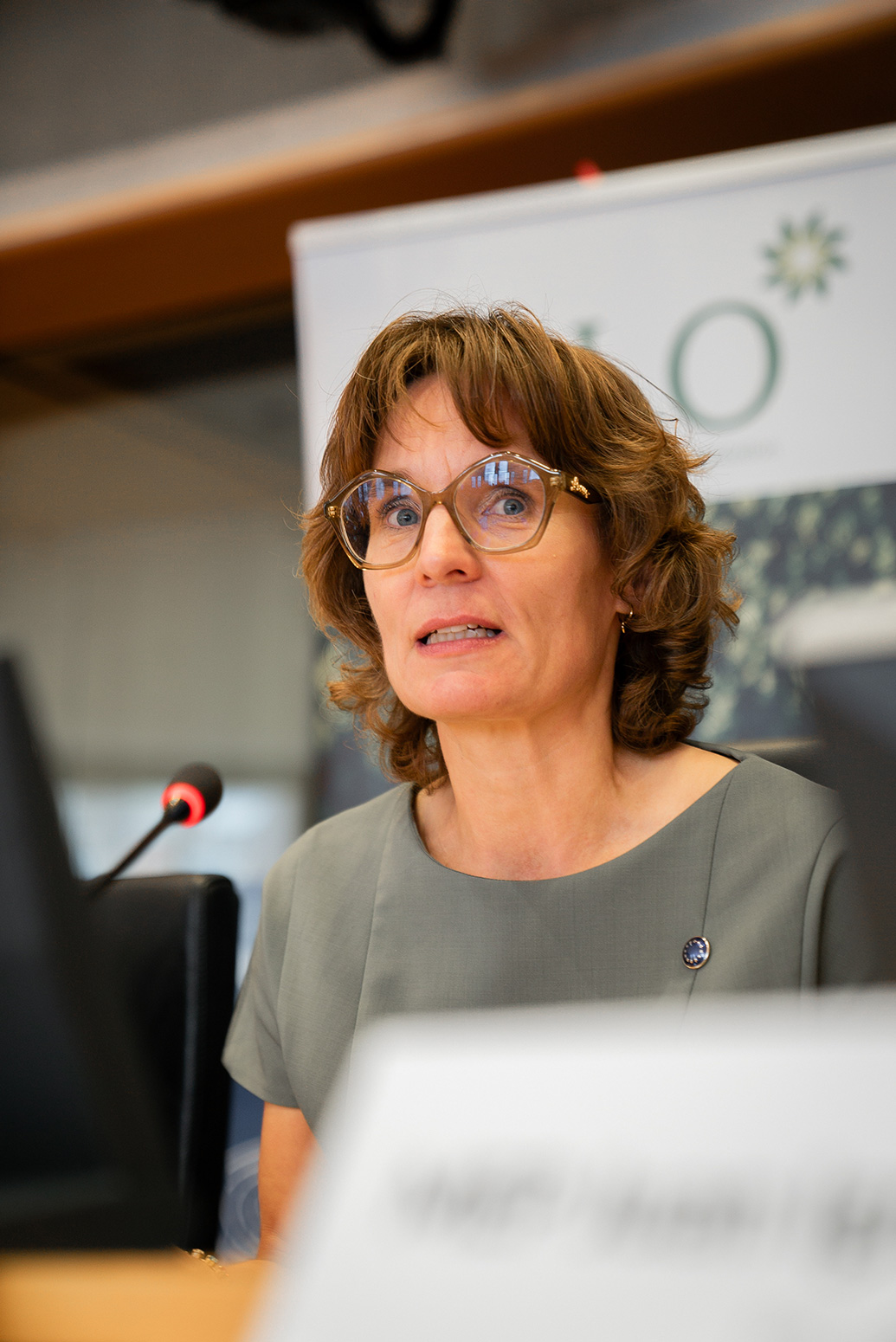
The European Commissioner for Environment, Water Resilience and a Competitive Circular Economy, Jessika Roswall, who followed the full debate and answered questions from the floor, set out the process: “The stress test is not a question of whether we still believe in nature conservation. We certainly do – for the sake of our society, our economy and so much more. Instead, it examines whether we can achieve our nature conservation objectives in a more efficient and effective way.”
She described nature as an investment and returned more than once to the point that the stress test cannot be delivered from Brussels alone. The invitation was taken up on the spot. FACE President Laurens Hoedemaker asked how the Commission intends to ensure the objectives of the directives can be better integrated into Europe’s land use policies, in particular to restore small-game populations. ELO Secretary General Jurgen Tack turned to this summer’s wildfires and questioned how to better align fire prevention with Europe’s nature.
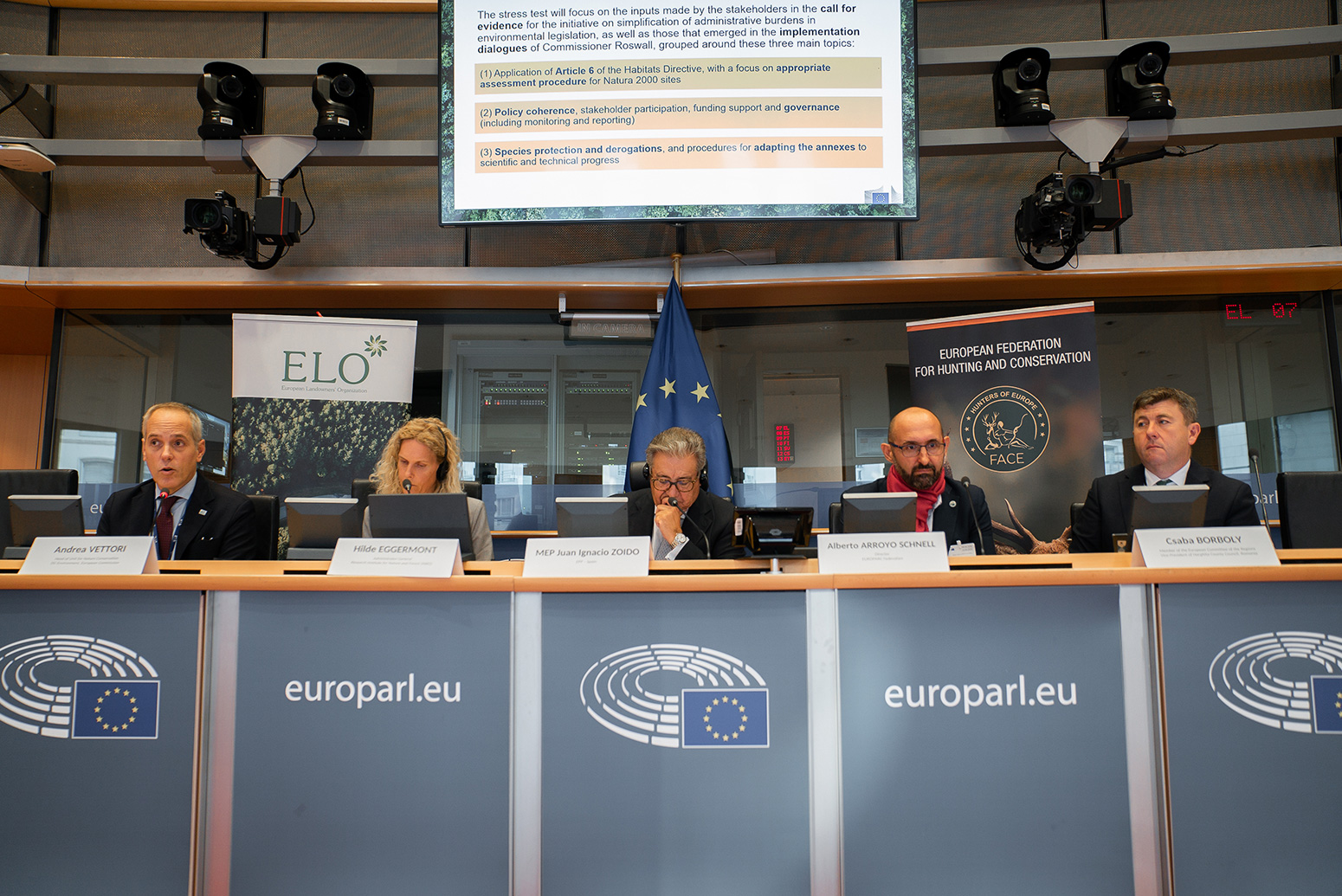
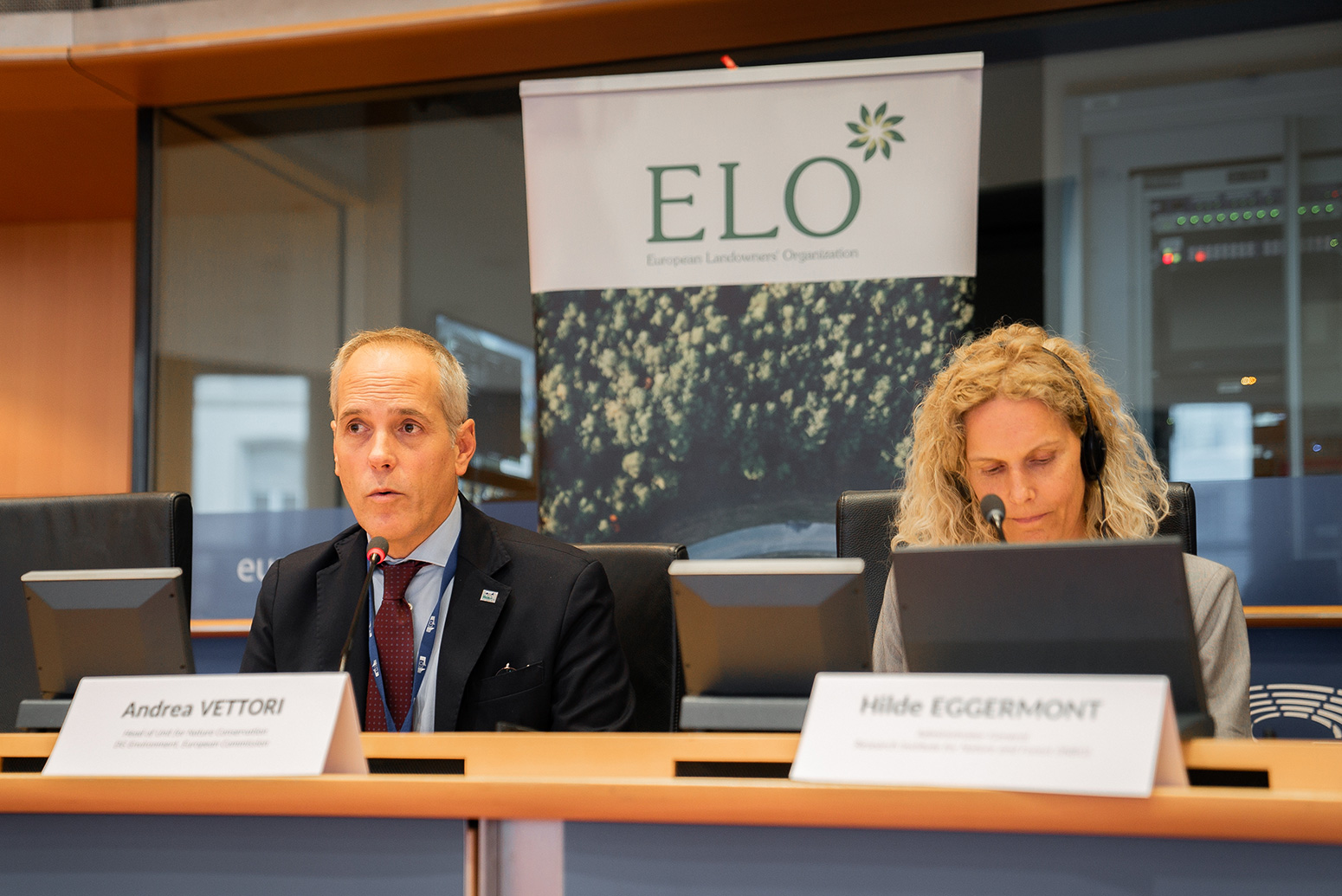
Andrea Vettori, Head of Unit for Nature Conservation at DG Environment, then set out the first findings. Ten years after the fitness check, the stress test looks at the permitting process for Natura 2000, at policy coherence and governance, and at species protection, derogations and the annexes. The response has been unusually strong: some 8,500 replies to the public consultation, where comparable environmental consultations attract around a thousand. Support for the objectives is broad, and the concerns cluster around implementation and coherence. Andrea Vettori said: “The Birds and Habitats Directives have created a common framework for protecting Europe’s wild birds, species and habitats, and they have contributed to the development of the Natura 2000 network. Their objectives are more relevant than ever. With the stress test, we are making sure that our rules remain fit to achieve their objectives in the most cost-efficient way possible, while maintaining their ambition and high standards of nature protection. It is about asking whether there are unnecessary layers of complexity and whether procedures can be made faster and clearer, whether digital tools can replace cumbersome processes and whether further guidance can provide greater legal certainty.”
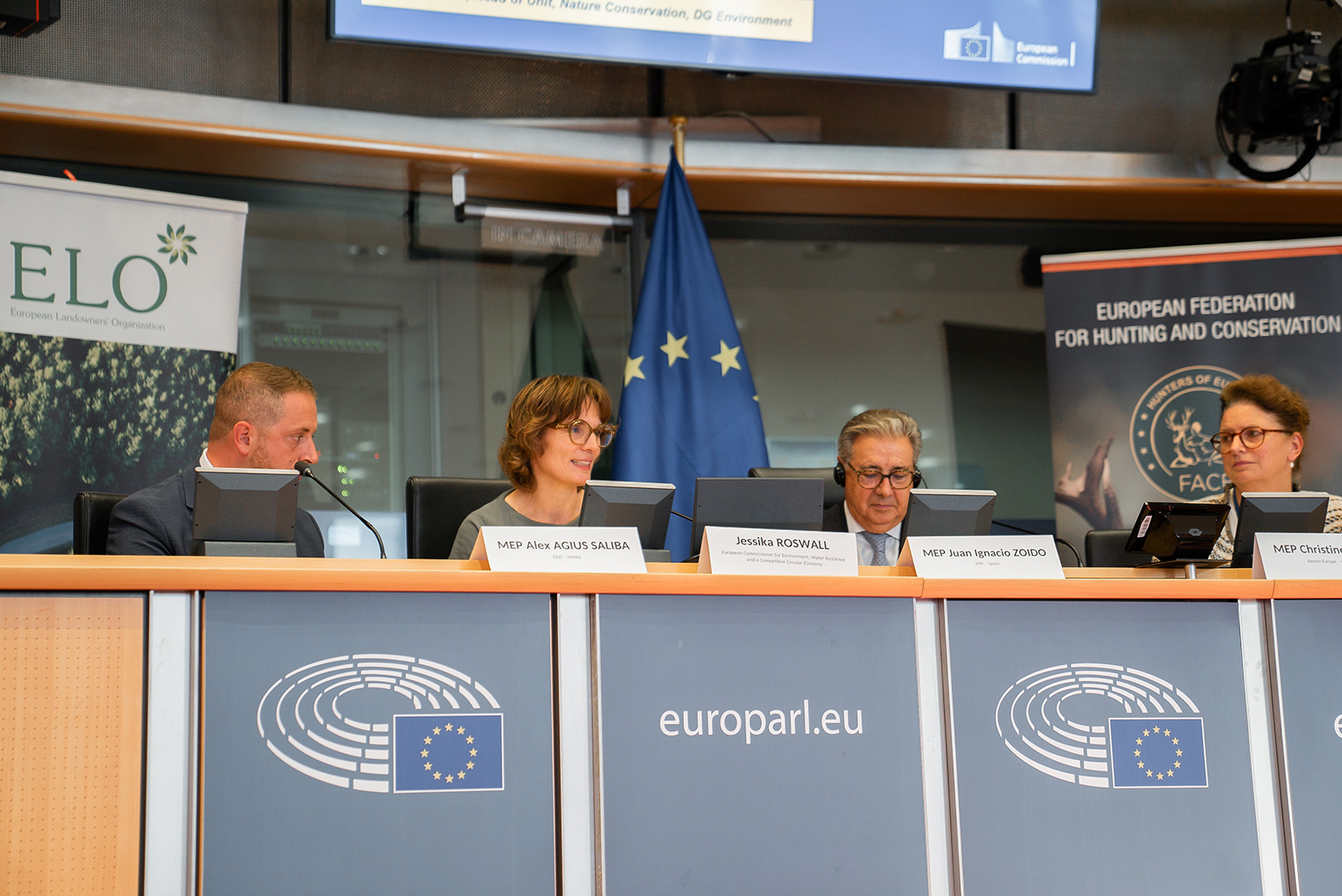
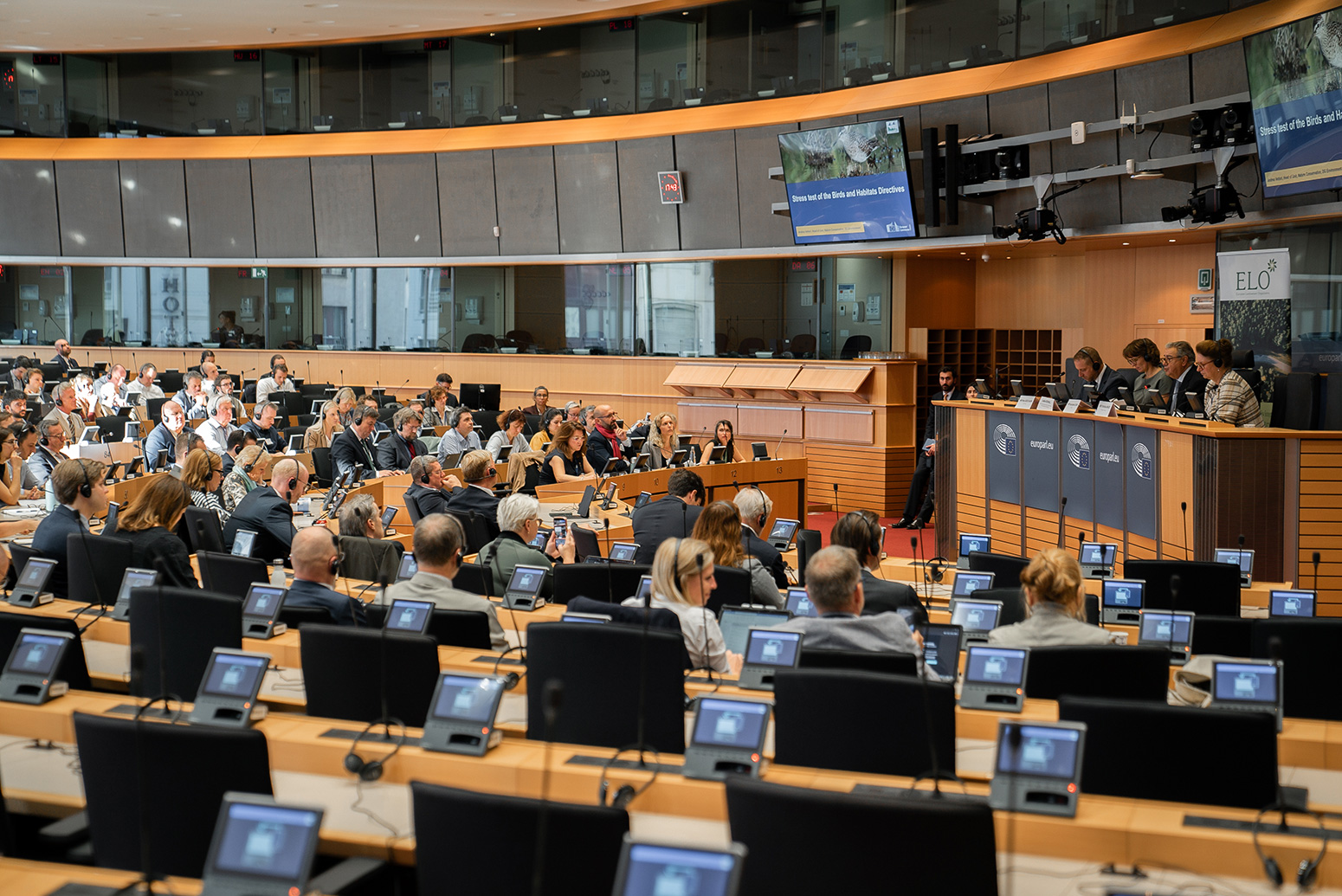
For MEP Alex Agius Saliba (S&D, Malta), Vice-President of the “Biodiversity Hunting Countryside” Intergroup, part of the answer is already in the field: “The Birds and Habitats Directives play a very important role in conserving nature in Europe; the question is how we implement them. Europe’s seven million hunters are among the few people present in the countryside all year round, and the data they collect — bag statistics, ringing recoveries, wetland counts, disease surveillance — is what evidence-based decisions require. Traditional hunting is also part of Europe’s intangible heritage, nowhere more visibly than in Malta. The Directives ask us to take account of cultural and regional requirements: that recognition must now be honoured in practice.”
MEP Christine Singer (Renew Europe, Germany), Vice-President of the Intergroup, pressed a different point, drawn from the conflicts her constituents live with: “Species conservation must be capable of success. When populations of protected species — such as otters, beavers, or rooks — have clearly recovered and the situation on the ground has changed, we must be able to respond. A protection status cannot be set in stone forever. People in rural areas experience the consequences of growing populations directly – from agriculture to pond farming. We therefore need science-based, legally sound and practical procedures that take regional circumstances into account. Only if our rules reflect the reality on the ground and provide sufficient room to act will we be able to maintain public support for species conservation in the long term.”
The panel discussion that followed, moderated by Hilde Eggermont, Administrator-General of the Research Institute for Nature and Forest (INBO), showed that agreement on the objectives does not mean agreement on the exercise. Alberto Arroyo Schnell, Director of the EUROPARC Federation, questioned whether ten years justify reopening the debate, and argued that the Directives have never been given the resources that would allow anyone to judge whether they work: “EUROPARC members — protected area practitioners — know well that nature conservation works when resources and political support are in place. If better national implementation is the way forward following the Stress Test, as first results signal, then let us focus our efforts in securing commitment and investment in nature. It is our responsibility to leave a healthy environment for future generations.”
Csaba Borboly, Member of the European Committee of the Regions and Vice-President of Harghita County Council, Romania, brought the discussion down to a single county, where bear encounters in towns and villages have risen sharply this year and officials who act in good faith carry the legal risk themselves: “The current EU framework cannot remain credible if Article 16 exists on paper, but communities facing repeated bear attacks are still left without timely protection. The stress test must identify where implementation fails in practice, because protecting biodiversity cannot mean accepting legal paralysis when human life, public safety and rural livelihoods are at risk. Europe does not need weaker nature protection. It needs rules that are clear, evidence based and actually workable in the regions where coexistence is hardest.”
For the co-organisers, the exercise will be judged by whether it delivers practical improvements for those working on the ground. Laurens Hoedemaker, President of FACE, said: “Europe’s seven million hunters are active partners in conservation: they manage habitats, restore wetlands, monitor species and fund much of this work themselves. What we ask from the stress test is simple: workable rules, science-based decisions and greater recognition of the cultural requirements set out in these important directives. Together, these would provide a framework that enables hunters to contribute more effectively.”
For ELO, the condition is confidence. Jurgen Tack, Secretary General, stressed: “Private landowners and land managers are key to delivering nature conservation on the ground. To attract long-term investment in biodiversity, they need a predictable framework, legal certainty, and effective incentives. The stress test should help ensure that the Nature Directives provide this confidence.”
Next steps
Closing the panel, Hilde Eggermont drew the threads together: evidence and data, implementation capacity, legal certainty, and conservation that works with the communities on the ground. The Commission and its consultants are now working through the consultation results, which will feed into the stress-test study and, in turn, into the report, with a further implementation dialogue with Commissioner Roswall planned for October. Nothing has been ruled out: changes to the Directives, changes to the annexes and non-regulatory measures all remain on the table, and the evidence submitted will decide between them. FACE and ELO will stay engaged throughout, so that the experience of those who manage land and wildlife every day is reflected in the outcome.
Press contacts
Alessio Borrello, Communication Manager, FACE — alessio.borrello@face.eu, +32 486 77 52 70
Delphine Dupeux, Director of EU Biodiversity Policy and Parliamentary Affairs, ELO — delphine.dupeux@elo.org, +32 488 77 39 03