
22 Sep 2026 Summer Drought Puts Nature-Friendly Farming in Focus
Europe’s farmers have just come through one of the hardest summers on record. Drought, relentless heat and wildfires hit harvests across the continent, over €400 million of damage in the Italian region of Veneto alone, French maize yields down by around 10%, and Hungarian cereal losses of up to 20%. The European Commission has warned that this kind of summer may become the new normal.
That experience has quietly changed the argument over the future Common Agricultural Policy (CAP). It showed when the European Parliament’s Agriculture Committee met on 2 September to discuss the post-2027 CAP: nearly every speaker who took the floor opened with the summer.
What they pointed to matters. The Commission’s answer to the drought was not only more insurance and irrigation — though both are on the table — but healthier soils, better water retention and more varied farm landscapes, put not as environmental ambition but as a matter of farmers’ income. Rapporteur Norbert Lins, who leads the file, said he is “ready and willing” to reserve a minimum CAP budget for measures that help nature and the climate, while noting the final figure depends on the wider EU budget talks.
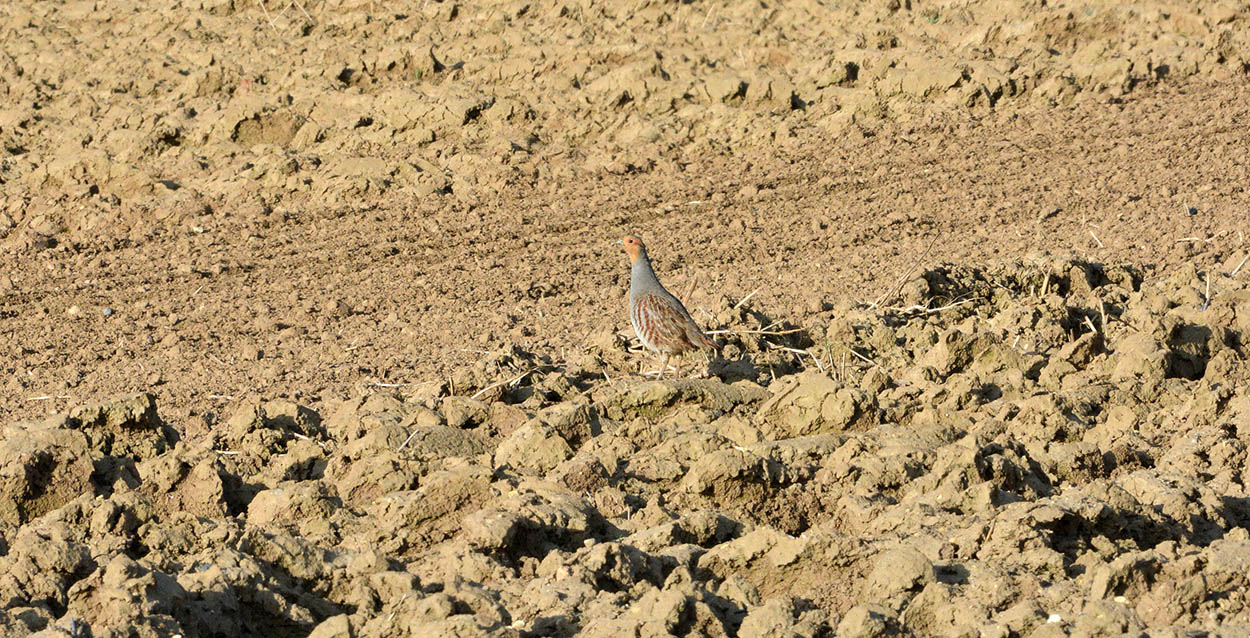
For the hunting community, this shift is important. The features that make a farm drought-resilient are the same ones that hold small game and farmland birds. When nature-friendly farming is framed as income protection rather than environmental ambition, it stops being a cost to defend against farmers’ interests and could become something farmers have their own reason to want.