
26 Aug 2026 New Partnership to Bring Children Closer to Nature in Denmark
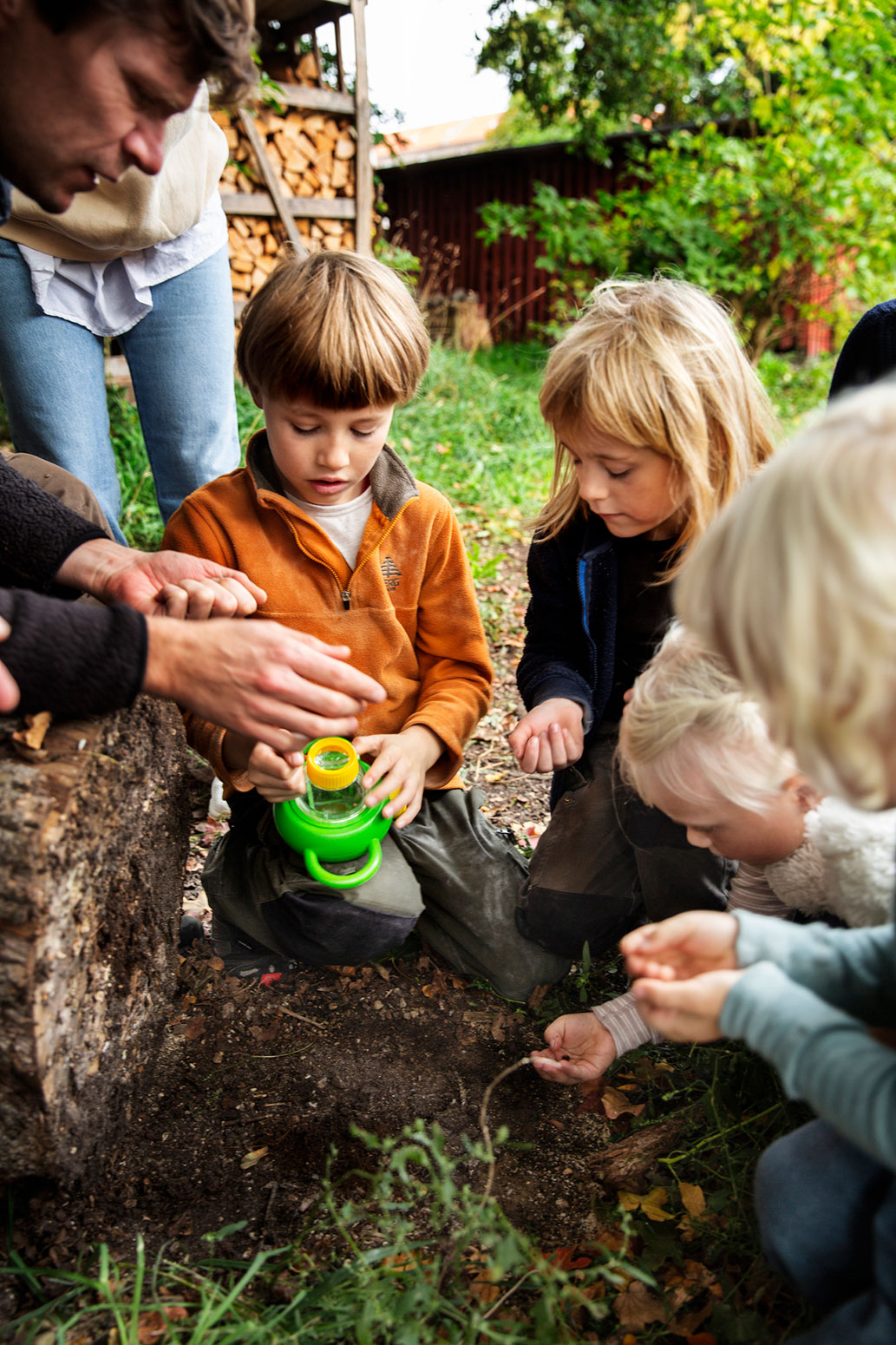
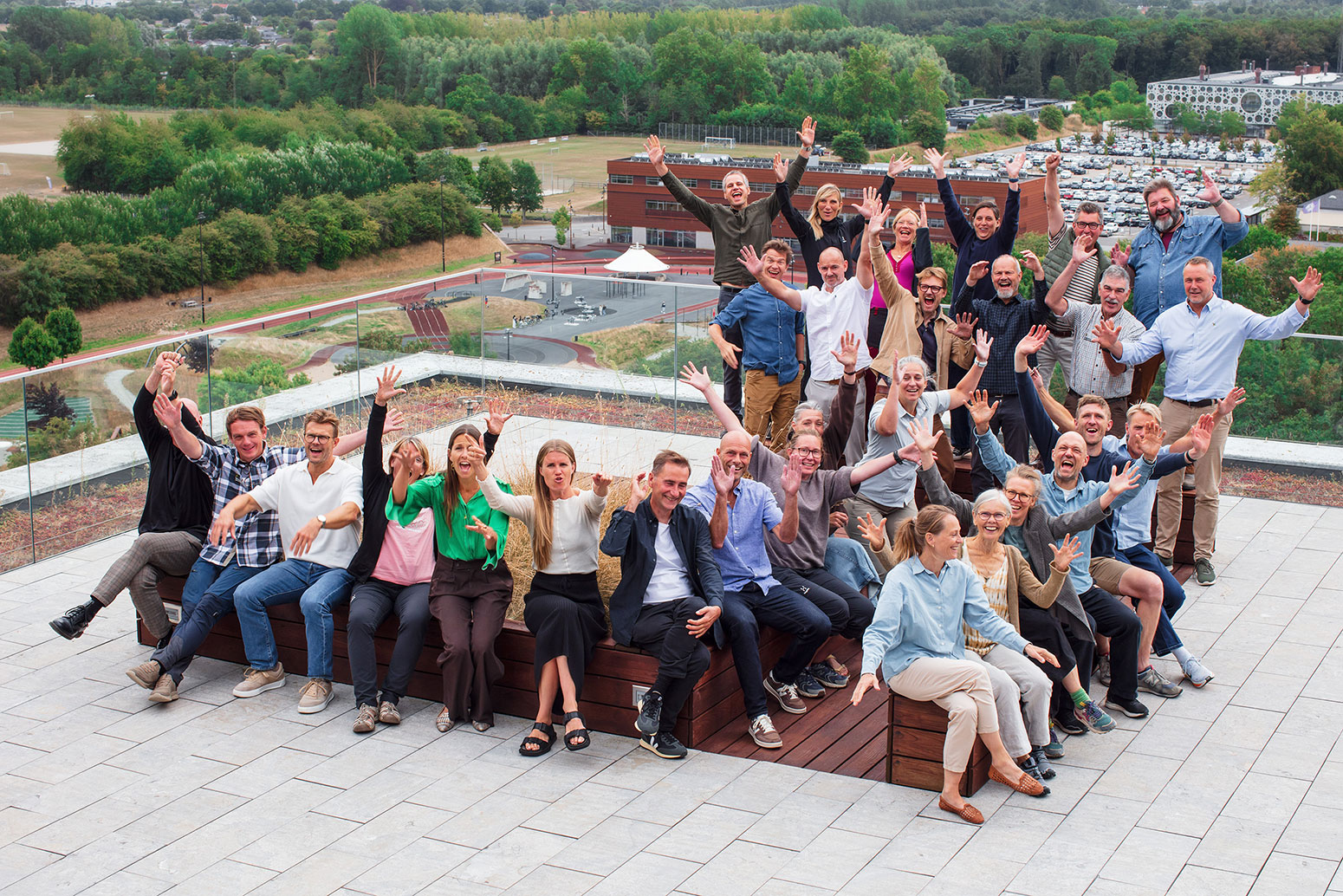
The Danish Hunters’ Association is joining forces with 15 other organisations, research institutions and associations in a strengthened Centre for Children and Nature. The aim is to get more children out into nature and give them the knowledge, experiences and connection they need to understand it and take responsibility for it.
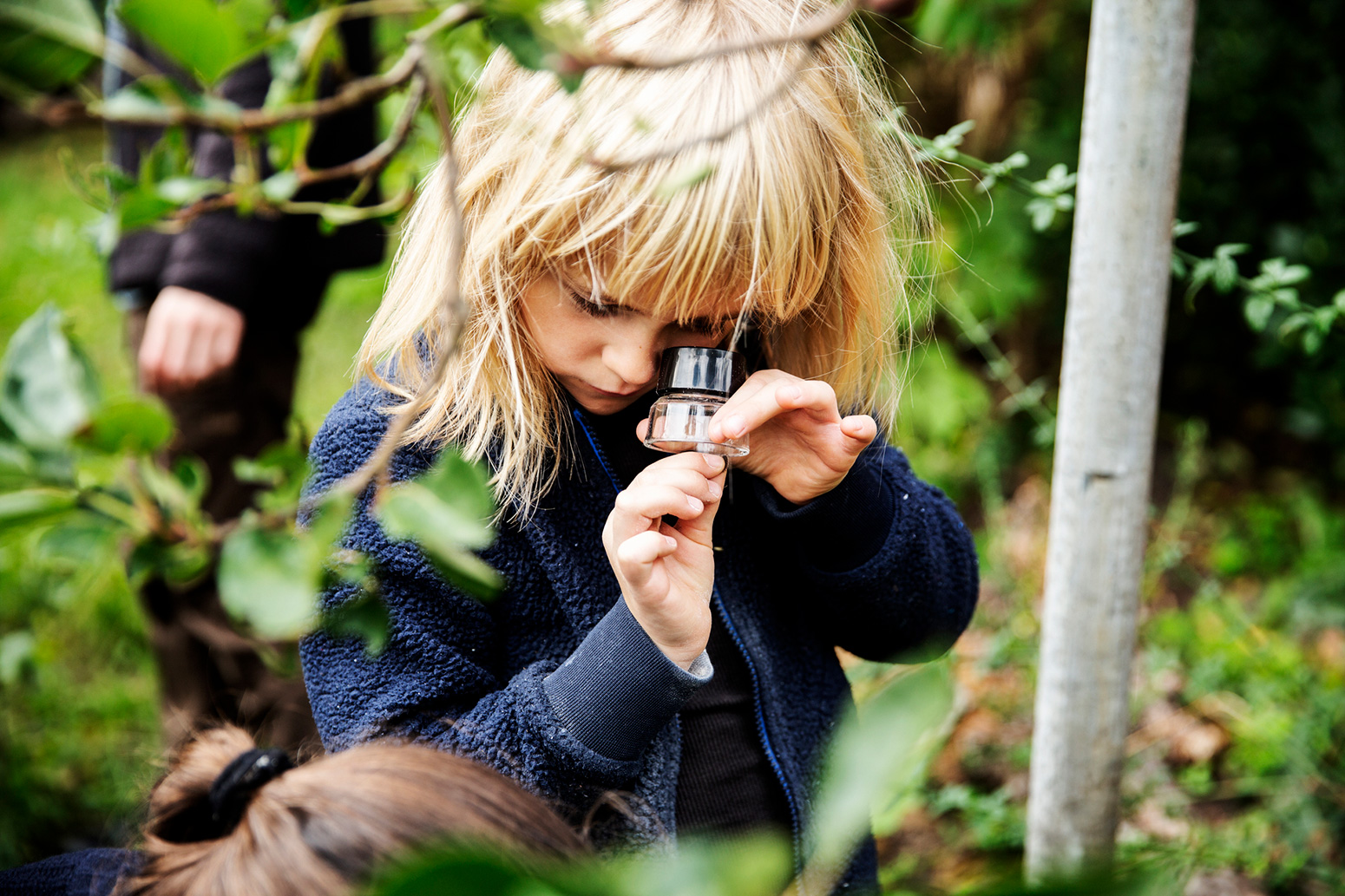
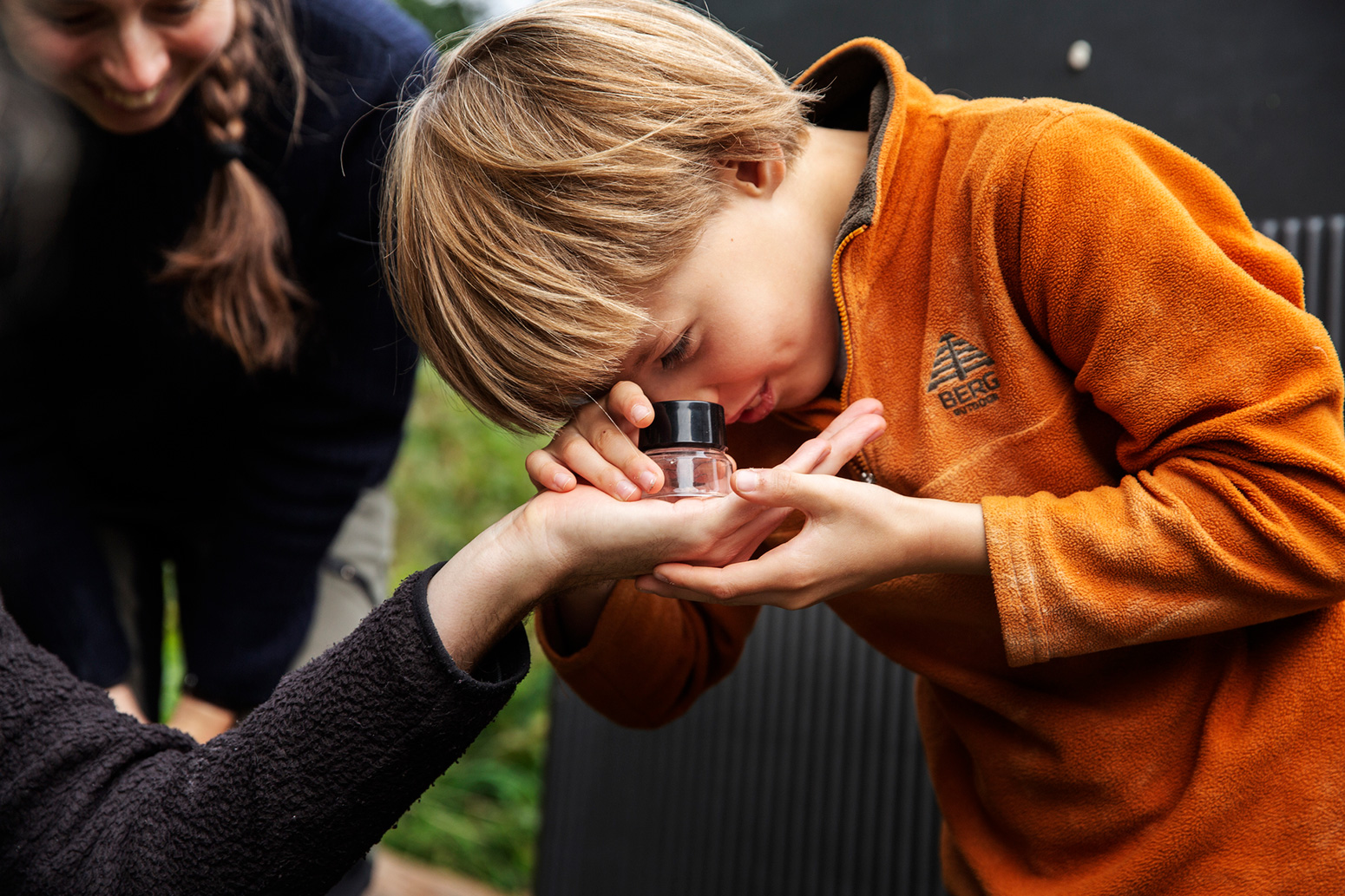
Children should not only learn about nature. They should get out and experience it, engage with it and learn how it works through first-hand experience. This is one of the ideas behind a new national partnership in which the Danish Hunters’ Association, together with 15 other partners, is joining forces to strengthen the Centre for Children and Nature.
The partners represent a broad range of organisations, research institutions, foundations, associations and university colleges with expertise in areas including nature, health, children, learning and leisure activities. The ambition is to create a national movement that gives more children experiences in nature and helps them develop a closer relationship with the natural world.
The Nordea Foundation and the Villum Foundation are supporting the Centre with a combined 3.4 million EUR over the next five years. The Centre for Children and Nature currently has a total budget of 4 million EUR.
Understanding nature does not happen by itself
For the Danish Hunters’ Association, participation in the partnership is partly about counteracting the growing disconnect from nature that can arise when children and adults have less direct contact with the natural world.
“Understanding the fundamental relationships and dynamics of nature does not happen by itself. It develops through knowledge and experience, and above all by actively engaging with nature. That is why developing children’s understanding of and connection to nature is so important,” says Niels Søndergaard, Director of Wildlife Management, Advocacy & Education at the Danish Hunters’ Association.
He points out that developing a relationship with nature is not simply about being able to identify species or acquiring knowledge in a classroom.
“Of course, children should learn about nature, but they should also have the opportunity to experience it, use it and understand it through their own experiences. That might mean climbing trees, fishing, picking berries, building dens or, later in life, hunting. What matters is developing a genuine relationship with nature and learning to engage with it respectfully,” says Niels Søndergaard.
Sustainable use and conservation go hand in hand
This emphasis on actively engaging with nature is closely aligned with the Danish Hunters’ Association’s view of nature. Its starting point is that sustainable use and conservation are not opposites. When people engage with nature respectfully and with an understanding of its conditions, it can help create the connection and insight that also motivate people to protect it.
“Nature is under pressure, and it needs more space and better conditions. But if we are to succeed in protecting and enhancing nature in the long term, we also need people who know it, understand it and feel responsible for it. We have a responsibility to future generations, and the Centre for Children and Nature can play an important role in this. Naturally, the Danish Hunters’ Association wants to contribute,” says Niels Søndergaard.
Three projects to lead the way
The Centre for Children and Nature is launching its work with three major flagship projects with a combined budget of 1,4 million EUR over two years.
- The first will give more children opportunities for active outdoor play, regardless of their background. At the same time, parents, educators and associations will be given inspiration and practical tools to move more of children’s play outdoors and into nature.
- A second project will explore new ways of involving children and young people in decisions about the landscapes of the future and the major changes currently taking place in nature. This is particularly relevant in connection with Denmark’s Green Tripartite Agreement, under which agricultural land is to be converted into, among other things, forests and natural areas.
- The third project focuses on schools. Teachers in three municipalities will work with researchers to develop methods for regularly moving teaching outside the classroom and into nature in ways that are academically meaningful.
Making nature part of children’s everyday lives
The partnership is based on the recognition that no single organisation can tackle this challenge alone. The Centre will bring together knowledge and experience from researchers, nature organisations, sports and outdoor recreation organisations, educational institutions and others.
The initiatives will also contribute to addressing several of the challenges facing children and young people. The partners highlight, among other things, mental well-being, insufficient physical activity and the need to prepare the next generation for a future in which nature and landscapes are undergoing significant change.
A national survey of children conducted by the Centre for Children and Nature in 2024 found that around half of parents would like their children to spend more time in nature. Approximately the same proportion of children said they themselves would like to spend more time outdoors.
In other words, both the desire and the potential are there. The task now is to make it easier for nature to become a natural part of children’s everyday lives – within families, early childhood settings, schools and leisure activities.
Broad collaboration is essential
The Nordea Foundation and the Villum Foundation see a need to support a strong, visible and unifying organisation that can help make nature an integral part of childhood culture and everyday life in Denmark.
“We hope that the Centre for Children and Nature will become a strong national driving force in enabling more children to enjoy positive experiences in nature and develop a close and positive relationship with it. By bringing together knowledge, networks and key stakeholders, the Centre can create a national movement towards more experiences in nature and a good childhood with nature at its heart,” says Ole Laursen, Head of Grants at the Villum Foundation.
FACT BOX: About the Centre for Children and Nature
The Centre for Children and Nature is a national strategic partnership with a vision that all children should have the opportunity to play, learn and thrive in nature. The Centre currently has 16 partners and is open to additional partners.
In addition to the Danish Hunters’ Association, the partnership includes the Danish Society for Nature Conservation, DGI, the Danish Outdoor Council, Nature & Youth, Nature Interpretation Denmark, the University of Copenhagen, the University of Southern Denmark, as well as a number of university colleges and other organisations.
The Centre currently has a total five-year budget of DKK 30 million. The Villum Foundation and the Nordea Foundation are each contributing DKK 12.5 million, with the remainder coming from partner co-financing and income-generating activities.