
26 Aug 2026 Migratory Birds Know No Borders
Migratory birds depend on suitable habitats along their entire migration route from north to south, throughout the year.
While most of the EU’s wintering ducks breed deep into Russia, a large proportion of Europe’s breeding waterfowl is found in Northern and Eastern Europe.
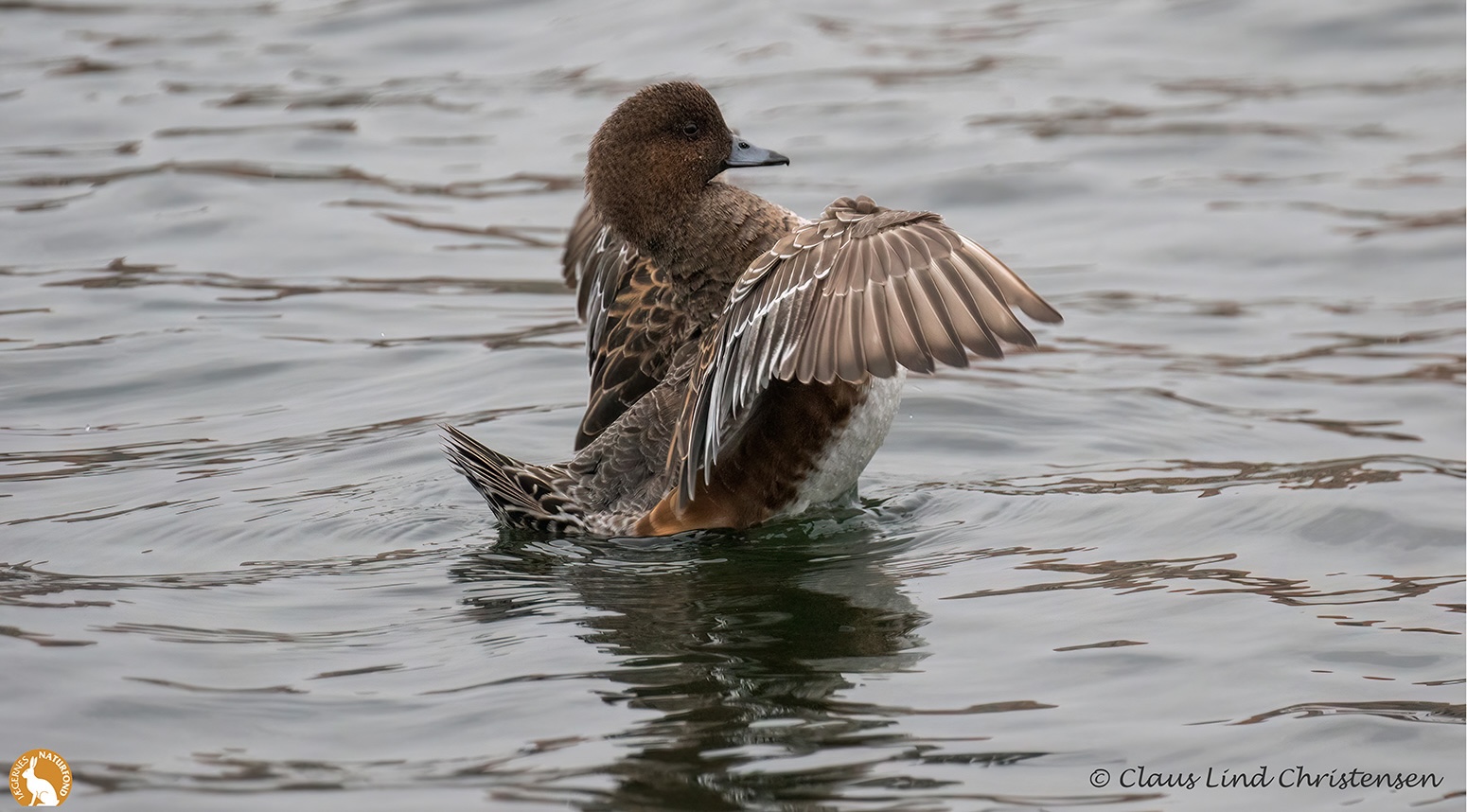
The Eurasian Wigeon is a good example of a species where its most important breeding areas in the EU are found in a belt stretching from the regions north of Oslo, across the Baltic states, while the bulk of the population breeds further into Russia. Finland is the Eurasian Wigeon’s key breeding country within the EU, yet today we are witnessing a breeding population under pressure. Unfortunately, this trend also applies to a number of other waterfowl species breeding in Europe, all of which are highly dependent on the availability of healthy and resilient breeding habitats. This is largely a result of national and EU land use policies resulting in the alarming loss of quality wetland habitats in the EU.
If waterfowl hunting in Europe is to continue on a sustainable basis, hunters are equally dependent on healthy and thriving wildlife populations, and therefore also on birds having access to high-quality breeding areas.
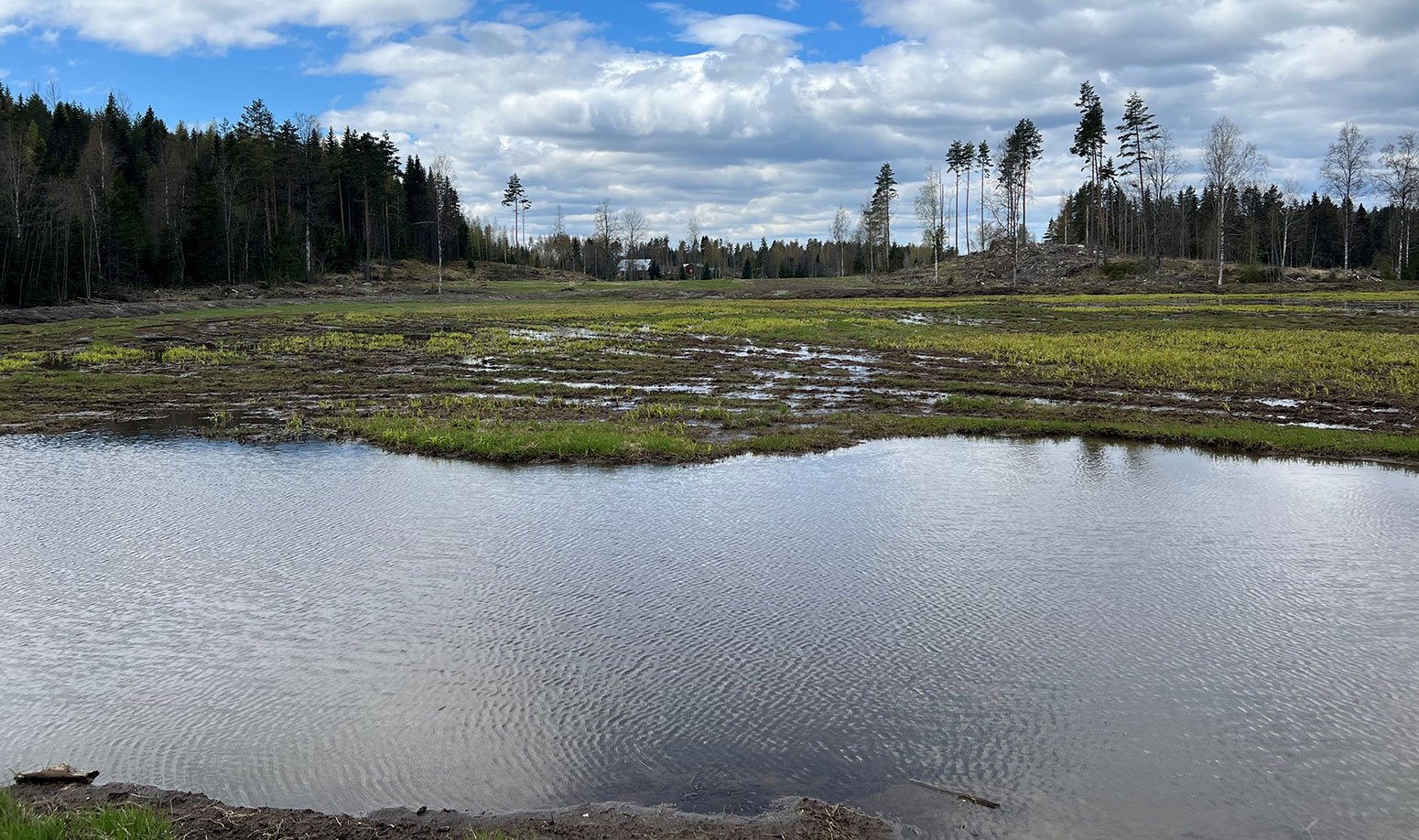
Against this background, hunting organizations from seven Northern European countries established the Waterfowlers’ Network. The network works actively to promote cross-border management and the sustainable use of huntable waterfowl populations. Part of this effort involves restoring and creating breeding habitats through financial support for nature restoration projects. To date, the establishment of new breeding areas in Finland has been a key focus of the initiative. Read more about the projects here – https://www.waterfowlersnetwork.com/new-breeding-sites/
We wish to continue and expand this work, and it is crucial that additional financial resources are secured to support these efforts. Therefore, I would like to encourage hunting organizations and hunters across Europe to contribute to the work of creating and restoring breeding habitats for the waterfowl species that are important to both hunting and nature conservation throughout Europe.
The funds raised will be administered by the Waterfowlers’ Network, which, through cooperation with existing projects, will ensure that contributions are translated into tangible habitat restoration and improved breeding conditions for waterfowl.
If you have any questions about the initiative or its practical aspects, please feel free to contact:
Chairman Claus Lind Christensen at clc@jaegerne.dk.
Together, we can ensure sustainable waterfowling opportunities for future generations.