

02 Apr 2026 Animal Health – March Updates
Avian influenza – general situation
(last update: 17 March 2026)
Avian influenza remains a serious and highly concerning disease affecting bird populations, particularly wild birds, and also poses ongoing risks to poultry and captive birds. According to the latest data, the total number of avian influenza cases reported by Member States and reporting countries across different epidemiological units (commercial poultry farms, backyard farms, other captive birds and wild birds) is as follows:
- Total number of outbreaks: 5,941
- Wild bird cases: 5,247
- Farms, captive and backyard cases: 837
- Affected countries: 34
Avian influenza: Detections in birds decline across the EU
While detections in domestic birds remained comparable to the same period in the past two years, cases in wild birds were significantly higher—three times last year’s level and nearly five times that of two years ago. Between 29 November 2025 and 27 February 2026, authorities reported 406 outbreaks in domestic birds and 2,108 detections in wild birds across 32 countries. Since December, however, numbers have steadily declined in line with the usual seasonal pattern. Most poultry outbreaks were traced to indirect contact with wild birds, and farm‑to‑farm transmission was uncommon, underscoring the continued importance of strong biosecurity measures.
Although bird cases are now decreasing, a modest rise in detections among mammals has been noted. Most notably, for the first time in the EU, serological testing in an apparently healthy dairy cattle herd indicated past exposure to HPAI, suggesting a possible spillover event from wild birds. Follow‑up investigations are currently underway to better understand the situation.
Avian influenza overview December 2025–February 2026
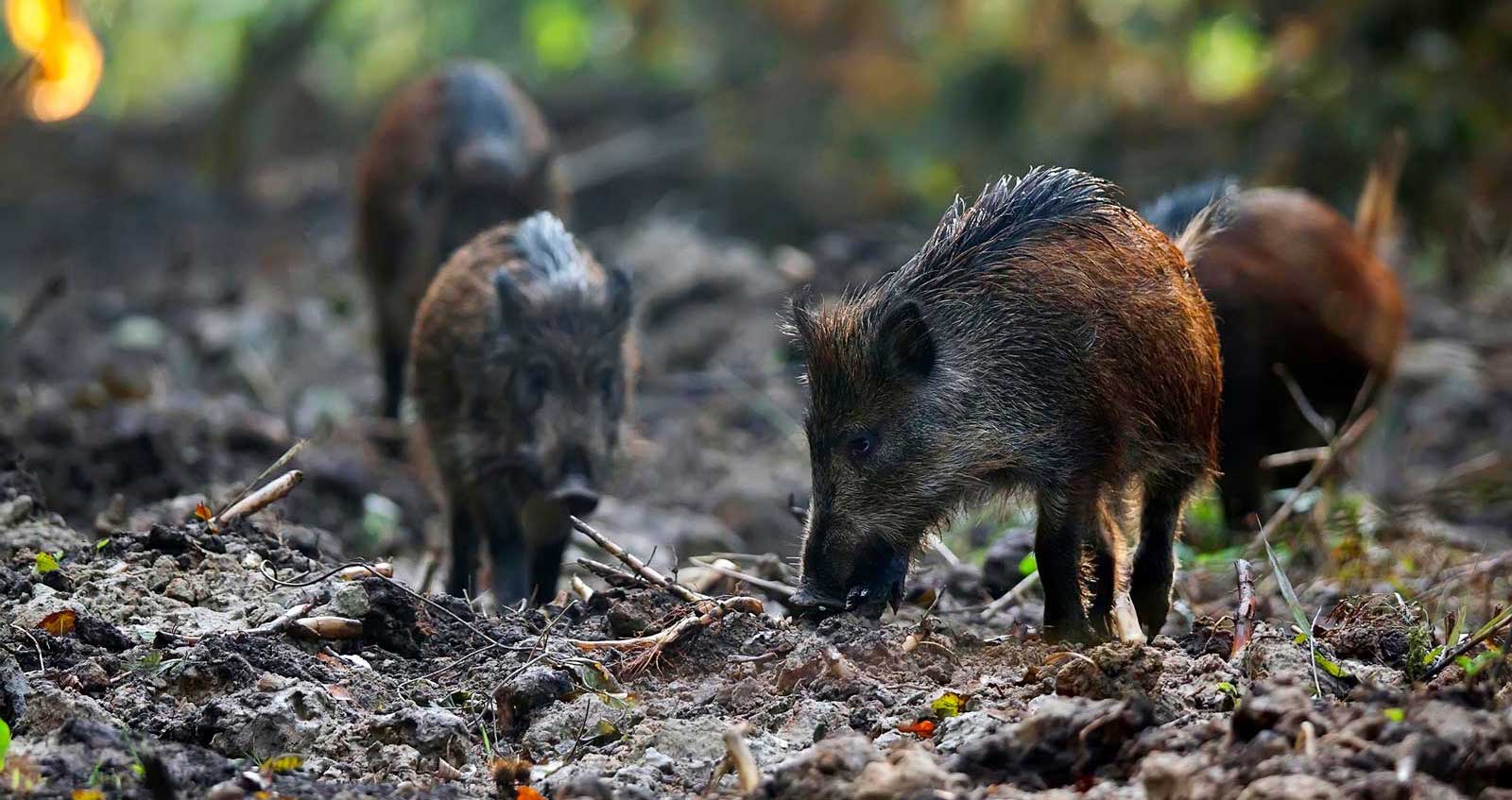
African swine fever – wild boar
African swine fever (ASF) in wild boar remains a major and ongoing challenge for wildlife management and the hunting community across Europe. Hunters are directly affected by the disease through access restrictions, biosecurity requirements and population management measures, while also being central to surveillance and control efforts. Through systematic monitoring, carcass detection and cooperation with veterinary authorities, hunters make a vital contribution to limiting the spread of ASF and protecting both wild and domestic pig populations.
Overall, these developments highlight that the hunting community is an essential partner in wildlife health monitoring, working closely with veterinary services, researchers and public authorities. Their practical field knowledge and regular presence in forests and fields are indispensable for the early detection of wildlife diseases and for the effective implementation of animal health policies at local, national and EU levels.
African Swine Fever (last update 16.03.2026)
Here are the latest African Swine Fever (ASF) outbreaks in wild boar reported in European countries for 2026 (reporting period: 01/01/2026 – 11/03/2026), based on the Animal disease information system (ADIS) current-year notifications:
African Swine Fever March
| Country | Wild Boar Cases |
| Poland | 545 |
| Germany | 84 |
| Latvia | 181 |
| Hungary | 286 |
| Italy | 331 |
| Bulgaria | 275 |
| Romania | 176 |
| Estonia | 42 |
| Croatia | 61 |
| Slovakia | 57 |
| Bosnia & Herzegovina | 4 |
| Moldova | 12 |
| Serbia | 56 |
| Ukraine | 4 |
| Spain | 26 |
| Greece | 1 |
| Latvia | 247 |
| Lithuania | 216 |
Here is a weekly outbreak map.