
23 Jan 2026 Spain reports further African swine fever cases in wild boar
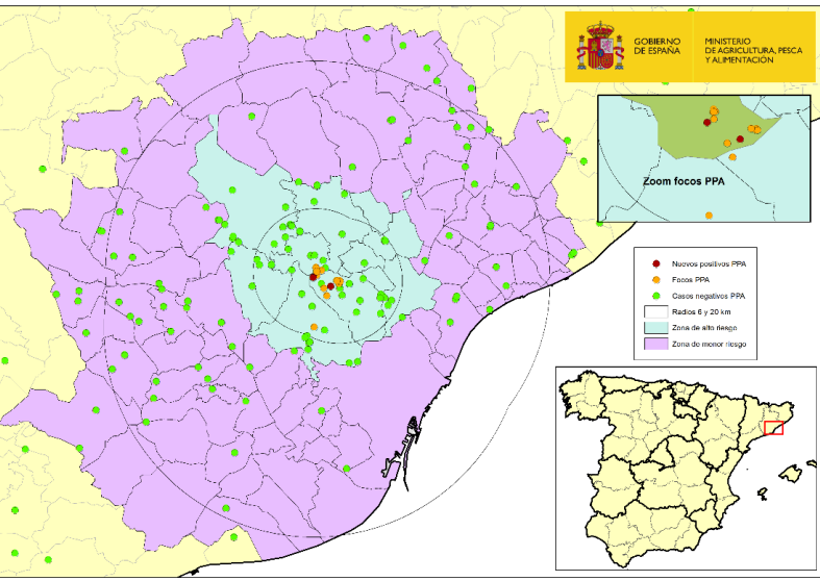
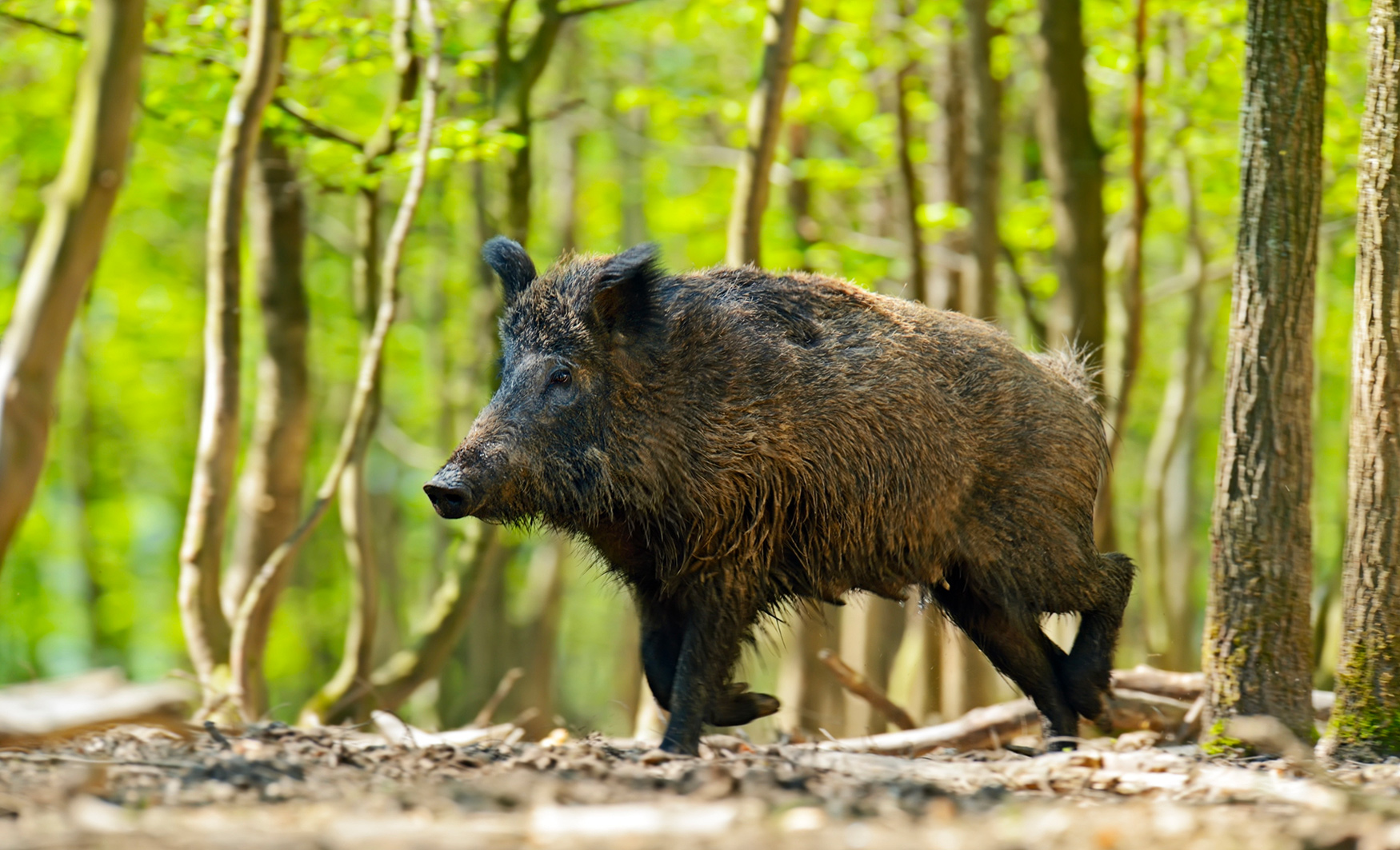
Spain continues to respond to the detection of African swine fever (ASF) in wild boar, with new cases reported in Catalonia in mid-January 2026. On 13 January, Spain’s Ministry of Agriculture, Fisheries and Food (MAPA) confirmed two new secondary outbreaks, involving 13 wild boar found dead within the established 6-km high-risk zone around the initial detections. At that point, the total number of confirmed ASF outbreaks stood at 15 (three primary and twelve secondary), with 60 wild boar testing positive. In parallel, 622 additional animals had been tested through active and passive surveillance, all of which returned negative results.
Subsequent public updates later in the week indicated that the situation continued to evolve. By mid-January 2026, Spanish authorities reported additional positive cases, bringing the total to 64 confirmed ASF-positive wild boar and 17 outbreaks. These developments underscore the dynamic nature of the outbreak and the importance of continuous surveillance, rapid reporting, and coordinated response measures.
As outlined in FACE’s earlier update on the initial outbreak in Spain, control measures remain firmly in place. These include reinforced surveillance, systematic searches for carcasses, targeted management of the wild boar population, and strict biosecurity controls at 57 pig holdings within the affected area. Importantly, no cases have been detected in domestic pigs, and the Spanish authorities have reiterated that ASF poses no risk to human health.
ASF in wild boar poses a major challenge for wildlife management and the hunting community, which is directly involved in disease surveillance, carcass detection, and population management. Hunters play a critical role as operational partners, working closely with veterinary authorities and other stakeholders on the ground.
At the national level, the Royal Spanish Hunting Federation (RFEC) is actively monitoring developments and engaging with the competent authorities to promote science-based, proportionate measures to prevent further spread of the disease while preserving animal health, farming interests, and sustainable wildlife management.