

23 Jan 2026 Member States agree on EU–MERCOSUR trade deal, but Parliament requests legal analysis
After 26 years of negotiations, EU Member States have agreed to sign a free trade agreement with MERCOSUR countries: Brazil, Uruguay, Paraguay and Argentina. The agreement is expected to benefit several European industries—including automotive, pharmaceutical and wine—by improving access to large, partially untapped markets.
However, the EU agricultural sector has expressed serious concerns, as it is expected to face increased competition from cheaper imports produced under less stringent regulatory standards than those applied to European farmers. Beef production is considered particularly vulnerable, but other sectors—including poultry, pork, sugar, rice, maize, honey and ethanol—may also face increased pressure. While the agreement includes safeguard clauses to address sudden surges in imports, uncertainty remains about how quickly and effectively these mechanisms could be activated in practice.
The agreement proved politically divisive among Member States. Hungary, France, Poland, Ireland and Austria voted against the deal in the Council, while Belgium abstained. Italy initially delayed its support before the Christmas break but ultimately backed the agreement after additional assurances were provided in early January.
Among the concessions offered, the European Commission proposed unlocking approximately €45 billion from the 2028–2034 Common Agricultural Policy (CAP) budget, allowing Member States to advance planning of CAP interventions. In addition, the EU agreed to temporarily exempt fertiliser imports, such as urea and ammonia, from the Carbon Border Adjustment Mechanism (CBAM) and to reduce standard import duties to help mitigate rising input costs for farmers.
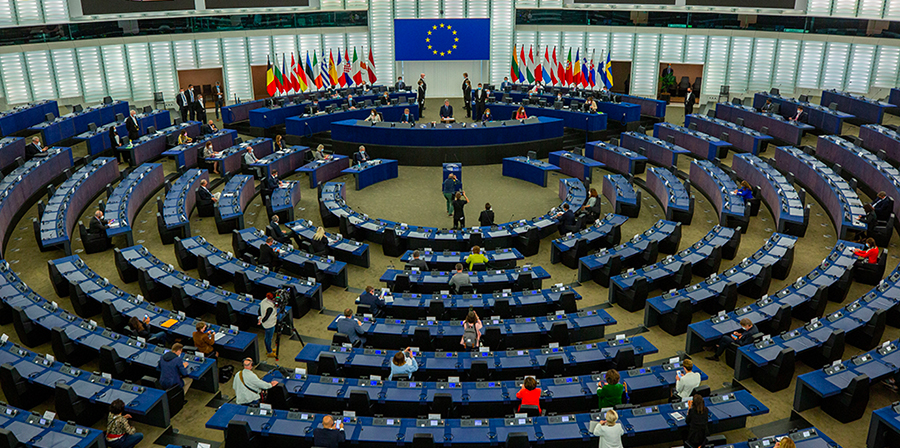
At EU level, the ratification process remains uncertain. The European Parliament has voted to refer the EU–MERCOSUR trade agreement to the Court of Justice of the European Union (CJEU) for clarification on the agreement’s legal basis and compatibility with EU law. This decision is expected to delay ratification and add a further layer of legal and political scrutiny. Any final approval by the European Parliament will now depend on the Court’s assessment, with implications for both the timing and the scope of the agreement.