

23 Jan 2026 Animal Health – January Updates
Europe’s animal health policy has evolved over decades to combat animal diseases and now provides a comprehensive framework covering all animals, whether farmed, kept as pets, or living in the wild. This policy plays a crucial role in protecting both human and animal health and ensuring food safety through coordinated disease prevention, surveillance and eradication programmes across Europe.
Avian influenza- General situation (last update: 16 January 2026)
Avian influenza remains a serious and highly concerning disease affecting bird populations, particularly wild birds, and also poses ongoing risks to poultry and captive birds. According to the latest data, the total number of avian influenza cases reported by Member States and reporting countries across different epidemiological units (commercial poultry farms, backyard farms, other captive birds and wild birds) is as follows:
- Total number of outbreaks: 3,921
- Wild bird cases: 3,464
- Farms, captive and backyard cases: 586
- Affected countries: 29
The high proportion of cases detected in wild birds underscores the importance of early detection and continuous monitoring in natural environments. Hunters, who are regularly present in the field, play a key role as the “eyes and ears” of the countryside, helping to identify unusual mortality or behaviour in wild birds and supporting early reporting to the competent authorities.
African Swine Fever – Wild boars
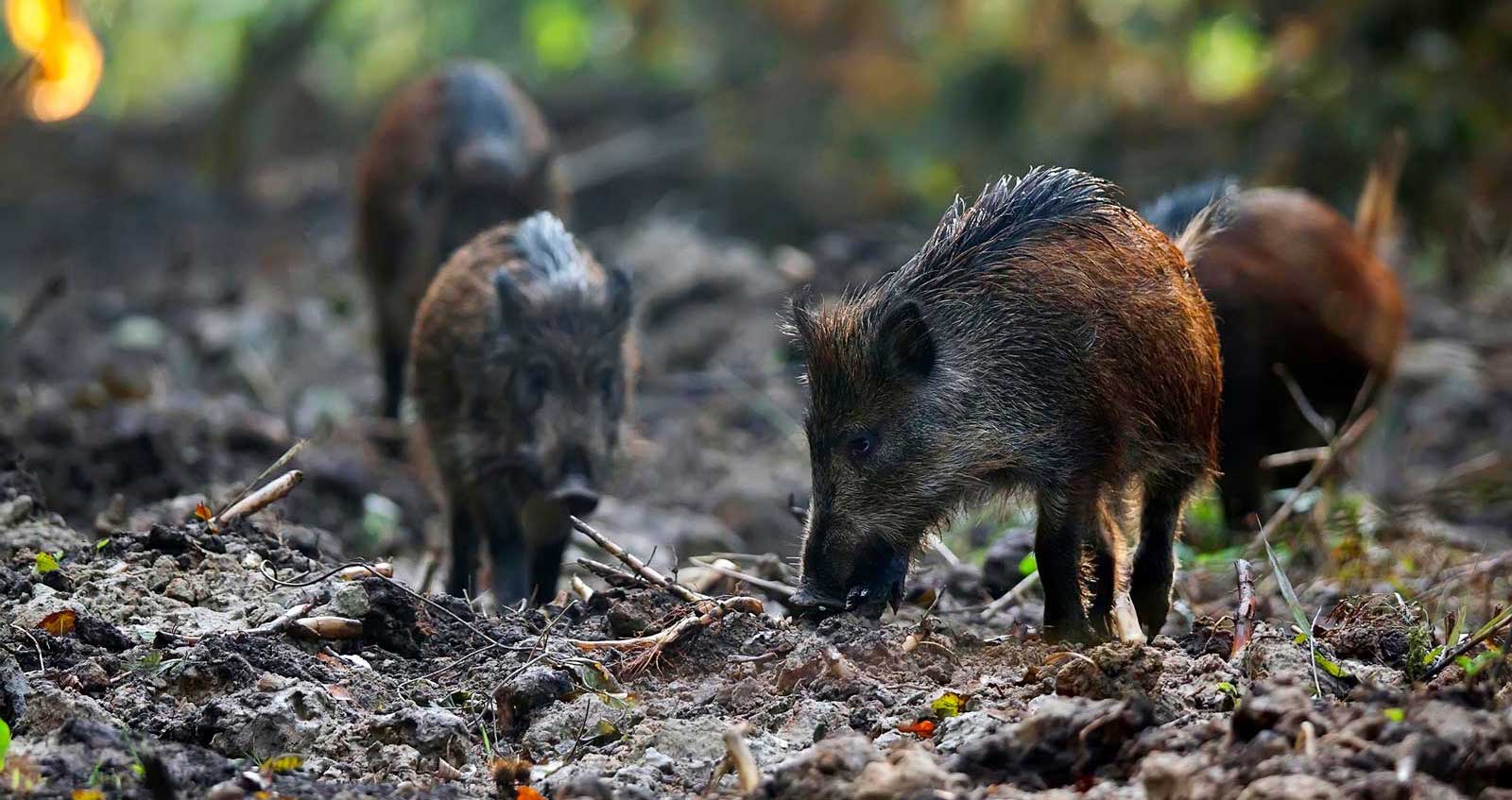
African swine fever (ASF) in wild boar remains a major and ongoing challenge for wildlife management and the hunting community across Europe. Hunters are directly affected by the disease through access restrictions, biosecurity requirements and population management measures, while also being central to surveillance and control efforts. Through systematic monitoring, carcass detection and cooperation with veterinary authorities, hunters make a vital contribution to limiting the spread of ASF and protecting both wild and domestic pig populations. Overall, these developments highlight that the hunting community is an essential partner in wildlife health monitoring, working closely with veterinary services, researchers and public authorities. Their practical field knowledge and regular presence in forests and fields are indispensable for the early detection of wildlife diseases and for the effective implementation of animal health policies at local, national and EU levels.
African Swine Fever (last update 16.01.2026)
Here are the latest African Swine Fever (ASF) outbreaks in wild boar reported in European countries for 2026 (reporting period: 01/01/2026 – 14/01/2026), based on the Animal disease information system (ADIS) current-year notifications:
African Swine Fever January
| Country | Wild Boar Cases |
| Poland | 69 |
| Germany | 12 |
| Latvia | 73 |
| Hungary | 16 |
| Italy | 39 |
| Bulgaria | 23 |
| Romania | 38 |
| Estonia | 11 |
| Croatia | 7 |
| Slovakia | 9 |
| Bosnia & Herzegovina | 1 |
| Moldova | 5 |
| Serbia | 10 |
| Ukraine | 2 |
| Spain | 4 |